Key Principles and Insights of Earth System Science Explained
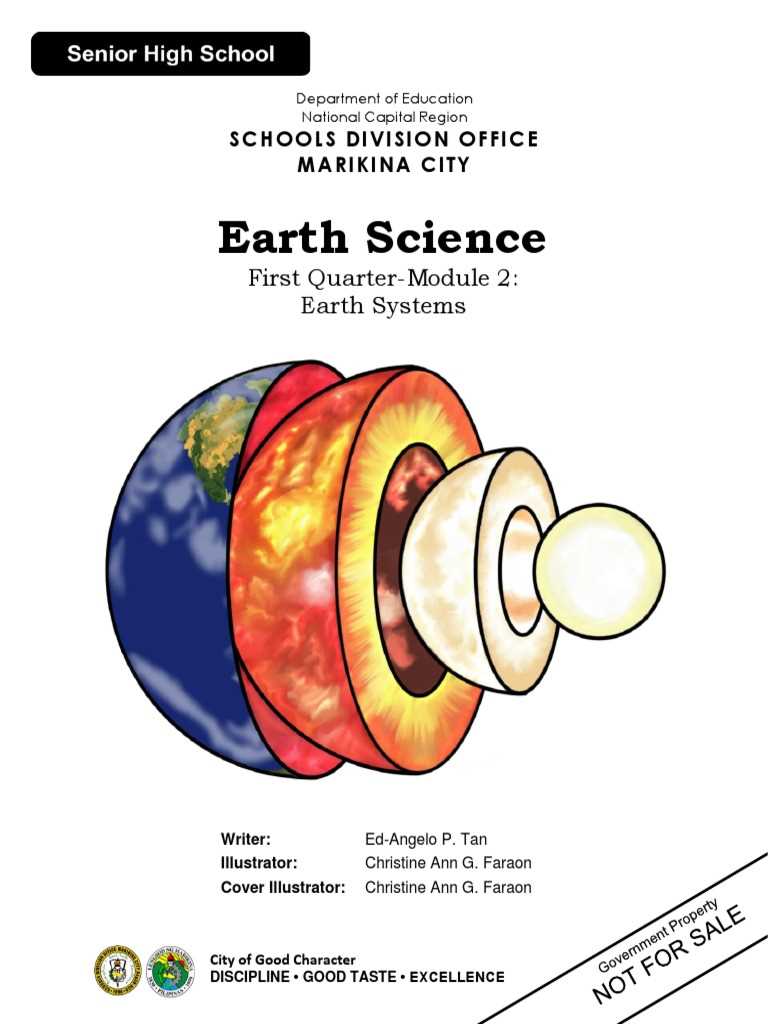
Focus on the interactions between the atmosphere, hydrosphere, biosphere, and lithosphere. Start by identifying the processes that connect these elements, such as how volcanic activity influences climate or the way ocean currents regulate temperature patterns. Understanding these relationships is crucial for predicting environmental shifts.
Analyze feedback mechanisms, like the effect of melting polar ice on sea levels and global weather systems. Changes in one component often lead to cascading effects in others, demonstrating the intricate balance that sustains natural cycles.
Apply a systems approach to observe the cause-and-effect relationships between human activities and environmental changes. For instance, industrial emissions contribute to atmospheric warming, which in turn alters precipitation patterns and impacts biodiversity.
Track data from climate models and satellite observations to gain concrete insights. These tools provide real-time information about how alterations in one sphere influence others, allowing for more accurate predictions and informed decisions regarding conservation and sustainability.