Nitrogen Cycle Answer Key for Close Reading and Analysis of Key Concepts
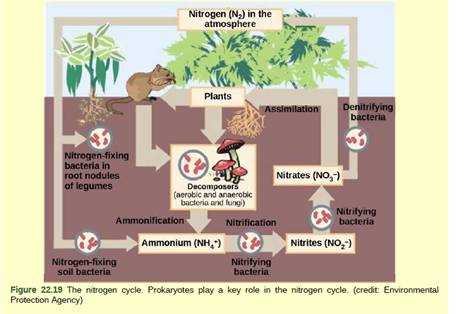
To accurately grasp how atmospheric components are transformed and utilized within ecosystems, one must focus on the transformation of nitrogen into usable compounds. Various organisms and environmental processes collaborate in this conversion, facilitating the availability of these compounds for plants, animals, and microorganisms. Recognizing the role of microorganisms in breaking down complex forms into simpler, more accessible substances is key to understanding the nutrient flow in ecosystems.
The conversion begins with atmospheric gas being fixed by specific bacteria into ammonia, which is further altered by different microbial actions. These bacteria are essential for altering nitrogen compounds into forms that plants can incorporate into their structures. This process is directly tied to soil quality, impacting agriculture, plant growth, and ecosystem health.
One critical aspect of this entire process is the role of denitrifying bacteria, which help return nitrogen compounds back to the atmosphere after they have been used by plants. This helps maintain balance in the ecosystem by preventing the accumulation of excess nitrogen in the environment, which could lead to eutrophication and other ecological issues.
To understand the full impact, it’s important to consider human intervention in these natural processes. Fertilizer application and other anthropogenic activities can disrupt the natural nitrogen transformations, leading to imbalances that affect biodiversity, water quality, and soil health.
Nitrogen Cycle Close Read Answer Key
Identify the role of bacteria in transforming atmospheric nitrogen. Microorganisms, specifically nitrogen-fixing bacteria, convert nitrogen gas from the air into ammonia, a form that plants can absorb and use. This process occurs mainly in the roots of certain plants, such as legumes, where these bacteria form symbiotic relationships.
Understand the process of nitrification. This involves the conversion of ammonia to nitrites (NO2-) by bacteria like Nitrosomonas. Then, other bacteria convert nitrites to nitrates (NO3-), which are highly accessible to plants. The entire process enhances soil fertility and supports plant growth.
Recognize the importance of denitrification in the soil. Denitrifying bacteria return nitrogen to the atmosphere by converting nitrates back into nitrogen gas. This process occurs in oxygen-poor environments, like waterlogged soils, and helps maintain a balance in the nitrogen content in the ecosystem.
Explain the significance of ammonification. Decomposers break down organic matter from dead plants and animals, releasing ammonia into the soil. This ammonia can then be utilized by plants or further processed by nitrifying bacteria. It is a key step in recycling nitrogen within ecosystems.
Identify human impacts on the nitrogen process. Excessive use of synthetic fertilizers can lead to an overload of nitrogen compounds in the environment, causing pollution in water systems and promoting algal blooms. This imbalance can disrupt natural processes and harm biodiversity.
Understanding Nitrogen Fixation in the Nitrogen Cycle
To enhance soil health and promote plant growth, it is necessary to recognize the role of microorganisms that convert atmospheric gas into a usable form. This process takes place mainly through bacteria and archaea that either live in soil or in symbiotic relationships with plants. These organisms possess the unique ability to break the triple bond of nitrogen molecules, turning them into compounds like ammonia (NH3), which plants can assimilate.
The primary agents of this process include free-living bacteria such as *Azotobacter* and *Clostridium*, as well as rhizobial bacteria associated with leguminous plants. Rhizobia form nodules on plant roots, where the gas is converted into ammonium, which plants use directly. This relationship benefits both parties: the plant receives essential nutrients, while the bacteria gain carbohydrates produced by the plant.
For efficient fixation, environmental factors such as temperature, soil pH, and oxygen levels must be conducive to bacterial activity. In particular, low oxygen concentrations within root nodules are crucial, as excessive oxygen can inhibit bacterial enzyme systems that are responsible for the fixation process.
In agricultural settings, this natural process can be supported by crop rotation with legumes, improving soil fertility without the need for synthetic fertilizers. Additionally, inoculating soil with specific strains of nitrogen-fixing bacteria can boost crop yield and soil quality.
Understanding how this process works helps manage sustainable farming practices and improves soil nutrient management, reducing dependence on chemical fertilizers and promoting ecological balance.
The Role of Nitrifying Bacteria in Soil Nitrogen Conversion
Nitrifying bacteria are central to transforming inorganic compounds in the soil into forms that plants can absorb. These microorganisms carry out a two-step oxidation process, converting ammonium ions into nitrites and then into nitrates. This process significantly impacts soil fertility and plant nutrition.
Here’s a breakdown of their role in soil nutrient dynamics:
- Ammonia Oxidation: Certain bacteria, like Nitrosomonas, oxidize ammonium (NH4+) to nitrites (NO2-). This is the first step in the transformation of nitrogen into a form usable by plants.
- Nitrite Oxidation: Another group, such as Nitrobacter, converts nitrites into nitrates (NO3-), which are more easily absorbed by plants for growth.
- Soil Health Maintenance: By controlling the levels of ammonium and nitrites, nitrifying bacteria prevent the accumulation of toxic substances, maintaining a healthy soil environment.
The presence and activity of these bacteria depend on several factors such as soil temperature, moisture, and oxygen availability. They thrive in well-aerated soils, which promotes efficient nutrient cycling. High moisture and low oxygen conditions can slow down bacterial activity, affecting nutrient availability for plants.
Optimizing soil conditions for nitrifying bacteria can enhance crop yields by ensuring plants have consistent access to usable nitrogen. Soil management practices that support these bacteria include proper irrigation and avoiding over-fertilization, which can disrupt bacterial populations.
How Ammonification Impacts Soil Nutrient Levels
Ammonification converts organic nitrogen from dead plants and animals into ammonium, a form that can be utilized by plants. This process increases the availability of nitrogen in the soil, enriching the nutrient profile for crops and other vegetation. By breaking down proteins and other nitrogen-rich compounds, soil microorganisms release ammonium, which can then be absorbed by plant roots or further processed into nitrates by nitrifying bacteria.
As ammonification occurs, it directly influences soil pH. Ammonium tends to acidify the soil over time. This can have implications for nutrient availability, as an acidic environment may reduce the uptake of certain minerals, like calcium and magnesium. In regions with already low pH, the acidification effect might limit plant growth and overall soil health.
Effective management of ammonification in agricultural practices can optimize nutrient cycling. Adding organic matter, such as compost or cover crops, can support microbial activity and enhance the production of ammonium. However, excessive ammonium accumulation may lead to nutrient imbalances, where plants may suffer from nitrogen toxicity or hinder the availability of other vital nutrients.
Monitoring soil nitrogen levels and adjusting fertilization practices to maintain an optimal balance of ammonium and other forms of nitrogen is key to maintaining soil fertility. This ensures that plants have a consistent supply of nitrogen while preventing negative impacts on soil health.
The Process of Denitrification and Its Environmental Effects
Denitrification occurs in anaerobic conditions, typically in waterlogged soils or in deep layers of soil, where oxygen is scarce. Microorganisms, such as bacteria, convert nitrate compounds into nitrogen gas (N2), which is released back into the atmosphere. This process significantly impacts soil nutrient levels and contributes to atmospheric nitrogen balance.
Excessive denitrification, driven by high levels of nitrogen-based fertilizers, can lead to the loss of soil fertility. The reduction in available nitrates may lower crop yields over time, as these compounds are crucial for plant growth. In ecosystems with frequent denitrification, such as wetlands, this can also affect biodiversity by altering nutrient availability.
While denitrification prevents harmful accumulation of nitrates in the environment, it also has downsides. The release of nitrous oxide (N2O), a potent greenhouse gas, during this process contributes to global warming. Areas with high rates of denitrification can thus have a dual environmental impact, both reducing nutrient pollution and increasing atmospheric warming potential.
Managing land use and fertilization practices can control denitrification rates. Implementing strategies such as reducing fertilizer use, improving irrigation practices, and promoting soil health through crop rotation can minimize negative effects on both agricultural productivity and the climate.
Key Factors Affecting Nitrogen Cycle Dynamics
Soil temperature directly influences microbial activity, with higher temperatures accelerating the process of decomposition and mineralization. Cold soil temperatures slow down microbial respiration, leading to reduced nitrogen availability. This is especially critical in temperate climates, where seasonal changes drastically impact nutrient cycling.
Moisture levels play a significant role in regulating microbial processes involved in nutrient transformations. Excessive water can create anaerobic conditions, inhibiting processes like nitrification while promoting denitrification. In contrast, too little water reduces microbial activity and slows down processes like ammonification.
Soil pH affects the microbial community structure, influencing both the efficiency and direction of nutrient transformations. Highly acidic soils can suppress beneficial microbial functions, whereas neutral pH levels often promote optimal microbial activity for nutrient turnover.
Vegetation and plant cover dictate the availability of organic matter, which serves as the primary energy source for soil microbes. Plants also affect nutrient uptake, with some species able to absorb more nitrogen, altering the local nutrient pool and influencing the entire ecosystem’s nitrogen dynamics.
Human activities, such as fertilizer use and land management, significantly alter natural nutrient processing. Fertilization increases nitrogen availability, but excessive amounts can overwhelm the system, causing runoff and altering microbial populations. Additionally, agricultural practices like monocropping can reduce biodiversity, limiting the variety of microbes involved in nitrogen transformations.
How Human Activities Disrupt the Nitrogen Cycle
Excessive use of synthetic fertilizers accelerates the accumulation of nitrogen compounds in the environment. This alteration increases the availability of nitrogen in ecosystems, causing nutrient imbalances. Over-fertilization, particularly in agricultural sectors, results in leaching, where nitrogen compounds infiltrate groundwater, potentially contaminating drinking water supplies. The practice also leads to the runoff of these compounds into nearby water bodies, contributing to the formation of algal blooms that deplete oxygen and harm aquatic life.
Industrial processes, including fossil fuel combustion, release nitrogen oxides into the atmosphere, leading to the formation of acid rain. Acid rain adversely affects soil quality and aquatic environments by lowering pH levels. Such disruptions reduce biodiversity and threaten the survival of certain plant species that are less resilient to acidification.
Deforestation and land use changes also impact nitrogen dynamics. The removal of vegetation reduces the natural uptake of nitrogen by plants, increasing the amount of nitrogen left in the soil. This disruption causes soil degradation, further altering local ecosystems and reducing their ability to retain nutrients.
| Activity | Impact |
|---|---|
| Excessive Fertilizer Use | Leaching and runoff lead to water contamination and algal blooms |
| Industrial Emissions | Release of nitrogen oxides results in acid rain, harming ecosystems |
| Deforestation | Reduces nitrogen uptake by plants, leading to soil degradation |
Livestock farming also contributes to the imbalance. Large-scale animal agriculture produces significant amounts of ammonia, a form of nitrogen that can volatilize into the atmosphere. This deposition alters the nutrient composition of soil and vegetation, contributing to eutrophication of terrestrial and aquatic systems.
Practical Applications of Nitrogen Cycle Knowledge in Agriculture
Utilizing an understanding of nitrogen transformations in the soil can significantly enhance crop yields and sustainability. Fertilization practices should incorporate nitrogen compounds that are slowly released, minimizing runoff and optimizing absorption by plants. Ammonium-based fertilizers are often favored for their slow-release properties, reducing the risk of leaching compared to nitrate-based options. Adjusting fertilizer application based on soil testing and weather patterns ensures that crops receive the appropriate nutrients at the right time, improving growth while reducing environmental impact.
Crop rotation and cover cropping are effective strategies for maintaining soil nitrogen levels. Leguminous plants, such as beans and peas, naturally fix atmospheric nitrogen, enriching the soil for subsequent crops. These practices decrease the need for synthetic fertilizers and improve soil structure, which can enhance water retention and root development.
In livestock farming, managing animal waste through composting or anaerobic digestion helps capture and recycle nitrogen, reducing the likelihood of nutrient runoff into surrounding ecosystems. These methods can also produce valuable byproducts, such as biogas, which can be used for energy production.
To stay updated on current agricultural practices related to nitrogen, refer to resources from trusted agricultural research bodies like the Agriculture and Agri-Food Canada.
Common Misconceptions About the Nitrogen Process in Ecosystems
One common misconception is that plants can directly absorb atmospheric nitrogen. In reality, plants rely on soil microbes to convert this compound into usable forms, such as ammonia or nitrates, before they can take it up. This process involves multiple stages, including fixation by bacteria, which is often overlooked.
Another error is assuming that only a few organisms are involved in the transformation of nitrogen. While certain bacteria are key players, fungi and even some plants also contribute to converting nitrogen into forms that are accessible to various organisms. For example, leguminous plants form symbiotic relationships with nitrogen-fixing bacteria, enhancing soil fertility.
It is also a mistake to believe that nitrogen is only involved in plant growth. Animals, fungi, and microorganisms rely on nitrogen for protein synthesis and cellular function. In ecosystems, the transfer of nitrogen between organisms is just as important as its transformation in the soil.
A fourth misconception involves the idea that excess nitrogen is always beneficial for plant growth. In fact, too much of it can lead to nutrient imbalances in ecosystems, causing negative effects like soil acidification or eutrophication in water bodies.
Finally, some assume that nitrogen compounds are quickly recycled in ecosystems. While the process may seem fast, it actually involves complex interactions over time. Environmental factors, such as temperature and moisture, significantly influence how quickly nitrogen is cycled through an ecosystem.