Endocytosis and Exocytosis Key Questions and Answers Explained
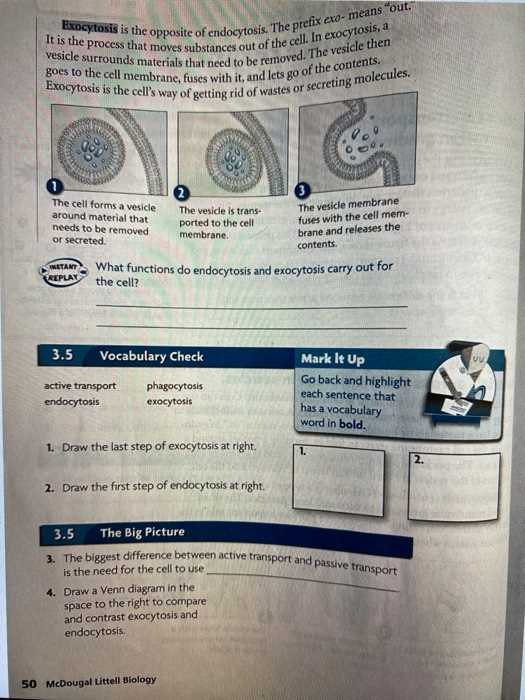
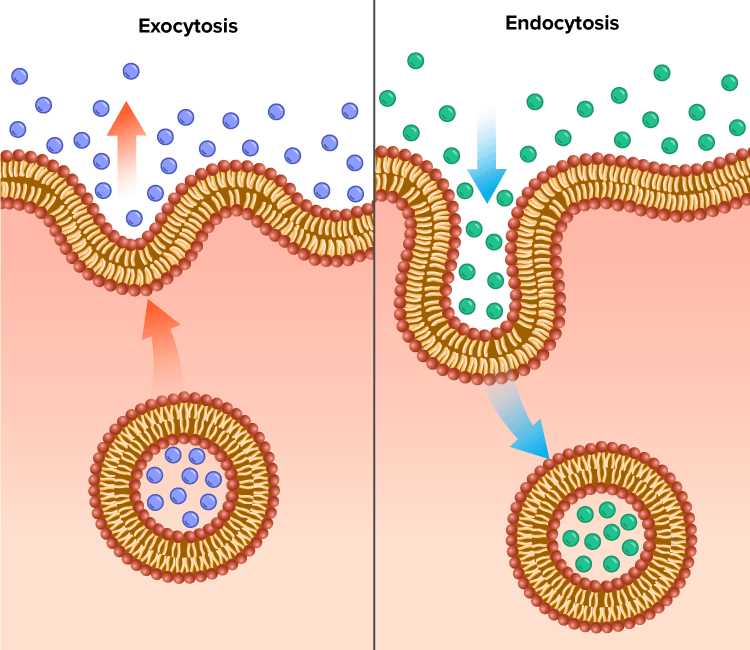
First, focus on the difference between inward and outward movement of substances across cell membranes. This process is a fundamental aspect of cell function, facilitating nutrient uptake and waste expulsion. One involves engulfing materials through the membrane, forming vesicles that move substances from the outside environment into the cell. The other expels materials by merging these vesicles with the outer membrane, releasing their contents into the extracellular space.
Membrane invaginations form when the cell’s lipid bilayer folds inward. These structures, known as vesicles, capture various molecules such as hormones, nutrients, and even pathogens. This process is not limited to just uptake; it also serves as a critical pathway for signaling and communication within the cell.
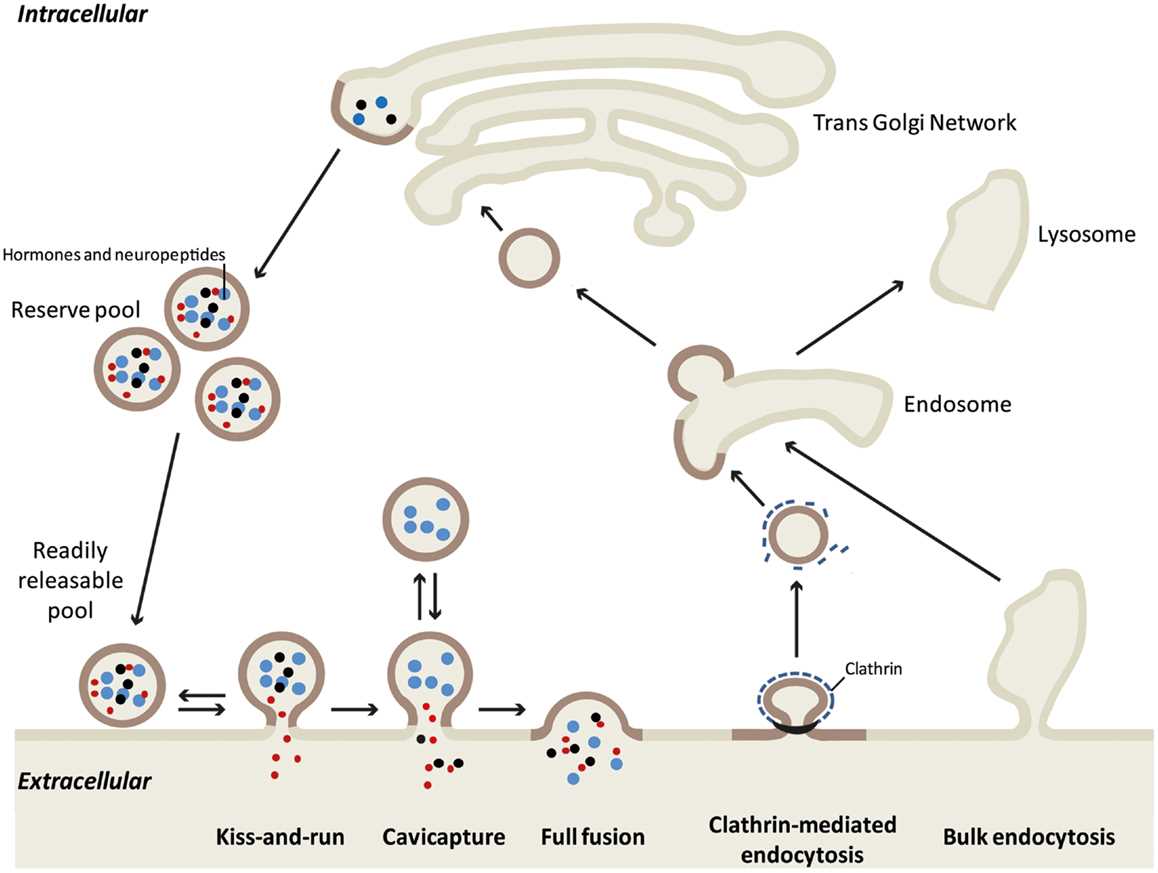
For outward movement, vesicles containing cellular products or waste fuse with the plasma membrane. Once fused, the vesicle releases its cargo into the surrounding environment. This process is tightly regulated, ensuring the cell maintains homeostasis by controlling the release of substances like neurotransmitters, digestive enzymes, and other molecules necessary for cellular communication.
Understanding these mechanisms provides insights into various biological functions, including immunity, nutrient absorption, and synaptic communication. Both processes are tightly controlled and rely on a series of proteins that regulate the formation and fusion of vesicles. Defects in these systems can lead to a range of diseases, from genetic disorders to infections.