Genetic Evidence and Selection Mechanisms of Lactase Persistence
The ability to digest milk into adulthood is a clear marker of specific genetic adaptations in human populations. This trait, which allows individuals to break down lactose into simple sugars, is influenced by various genetic mutations that arose in response to cultural and environmental pressures. Populations that historically practiced dairy farming show higher frequencies of individuals who retain this digestive capability beyond infancy.
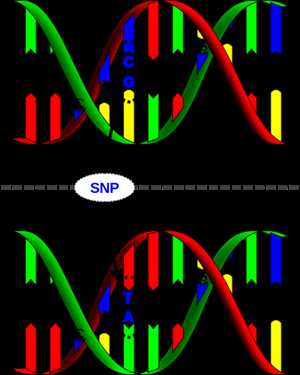
Research has pinpointed particular genetic markers, notably near the MCM6 gene, which play a central role in the persistence of lactose digestion in adulthood. These mutations provide an adaptive advantage in regions where dairy consumption is a major food source, offering improved nutrition and better survival rates in environments where other food resources are scarce.
The frequency of these mutations is not uniform across the globe. In some areas, such as Northern Europe, a significant portion of the population has this genetic trait, while in other regions, like East Asia, the majority are lactase non-persistent, meaning they lose the ability to digest lactose after childhood. This variation reflects complex interactions between genetic evolution and cultural practices like farming and animal domestication.