Understanding Position Time Graphs with Detailed Solutions
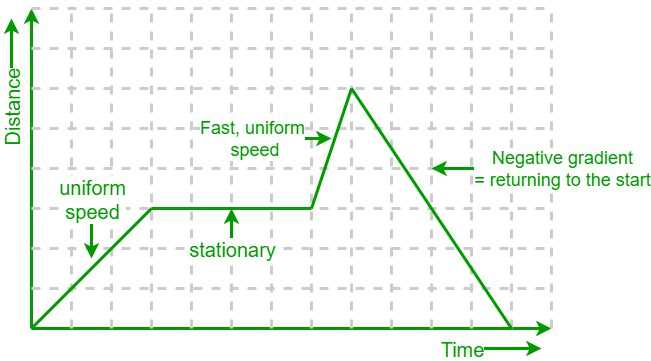
To calculate the displacement of an object, use the equation s = v * t, where s is the distance, v is velocity, and t is time. A straight line on a chart indicates constant velocity, while a curve shows changing velocity.
For instance, if an object moves at a constant speed of 10 meters per second, the distance traveled in 5 seconds would be:
s = 10 m/s * 5 s = 50 meters
Graphs where the slope represents velocity help to identify how quickly an object is moving at any point in time. A steeper slope shows higher speed, while a flatter slope indicates slower motion.
In cases where motion changes over time, such as acceleration or deceleration, the line on the chart will bend. The steeper the curve, the greater the change in speed within that interval.