Answer Key for Wave Interactions Reflection Refraction Diffraction and Interference
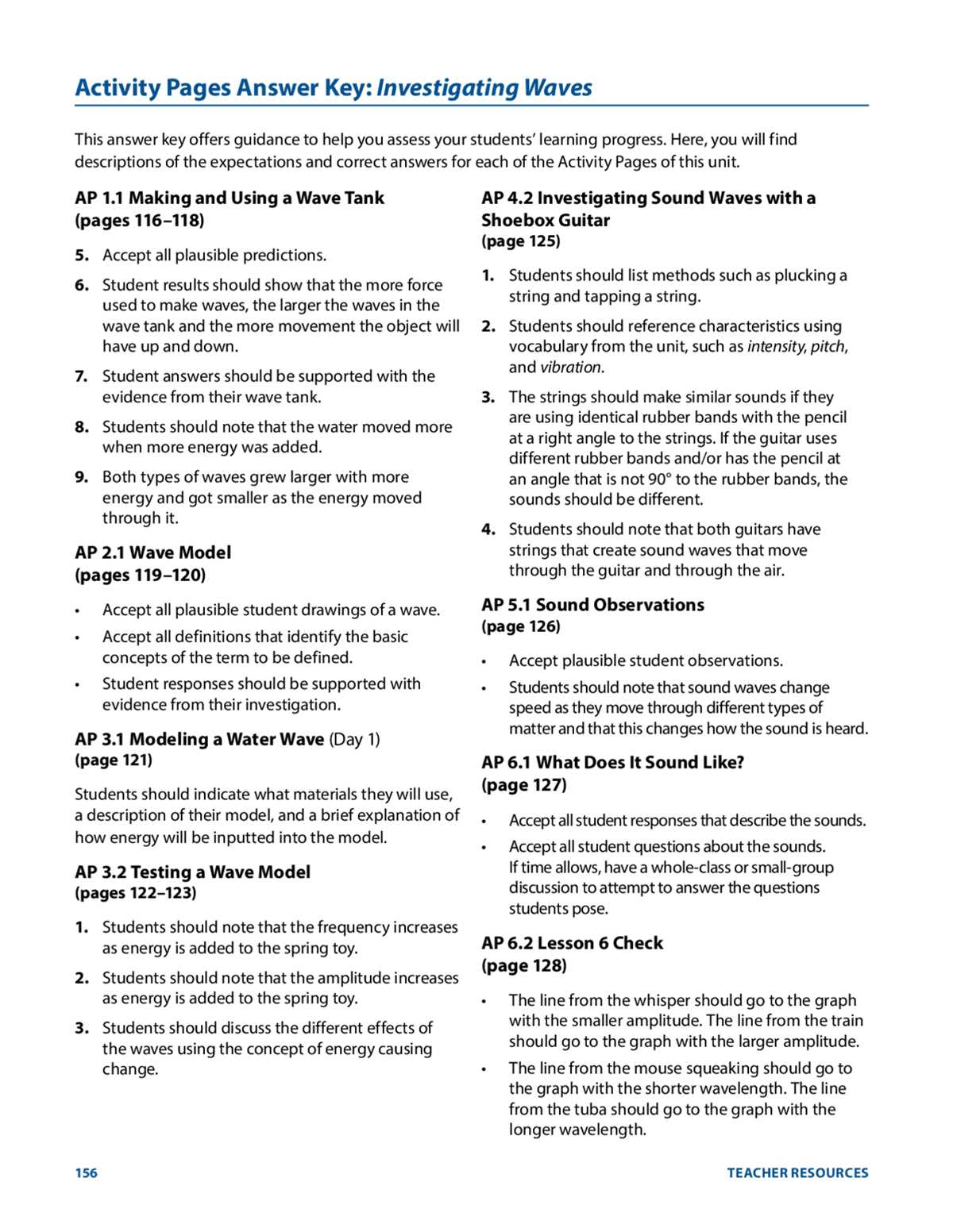
Reflection occurs when a signal encounters a boundary and bounces back into the original medium. For example, light striking a mirror will return at the same angle of incidence, following the law of reflection. This phenomenon is crucial for applications ranging from optical devices to soundproofing technologies.
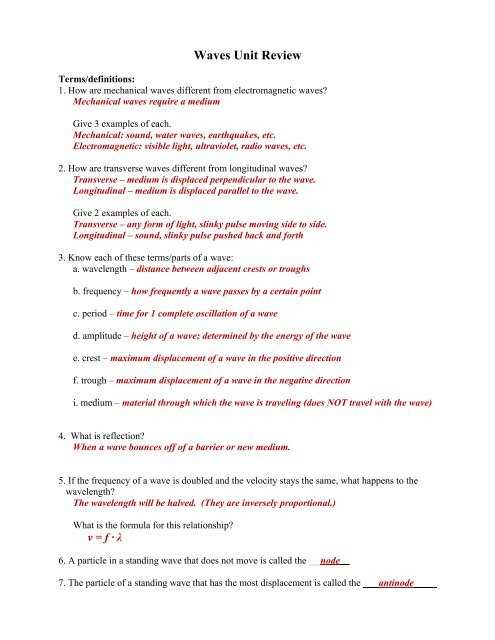
Refraction happens when a signal passes from one medium into another, causing it to change direction due to a change in speed. This is seen when light moves from air into water and bends at the interface. Understanding the refraction index is vital for designing lenses and other optical components.
Diffraction describes how signals bend around obstacles or spread out when passing through small openings. This is especially relevant in the design of antennas and in the study of sound propagation, as it impacts how signals travel in different environments.
Finally, interference occurs when two or more signals overlap and combine, either reinforcing or canceling each other out. This principle is key in many technologies, such as noise-canceling headphones, where sound waves are deliberately interfered with to reduce unwanted noise.