Groundwater Movement Answer Key and Key Concepts
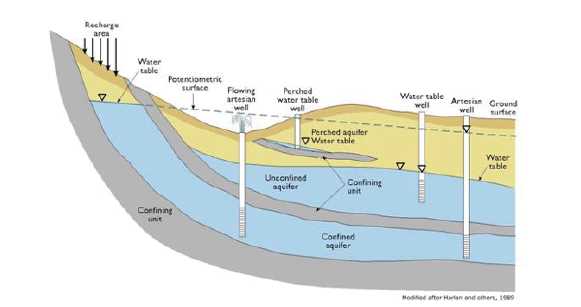
To track how water flows through underground layers, focus on permeability and porosity. These two factors determine how easily water can pass through soil and rock. A highly permeable material, like gravel, allows rapid flow, while low-permeability materials, such as clay, slow it down.
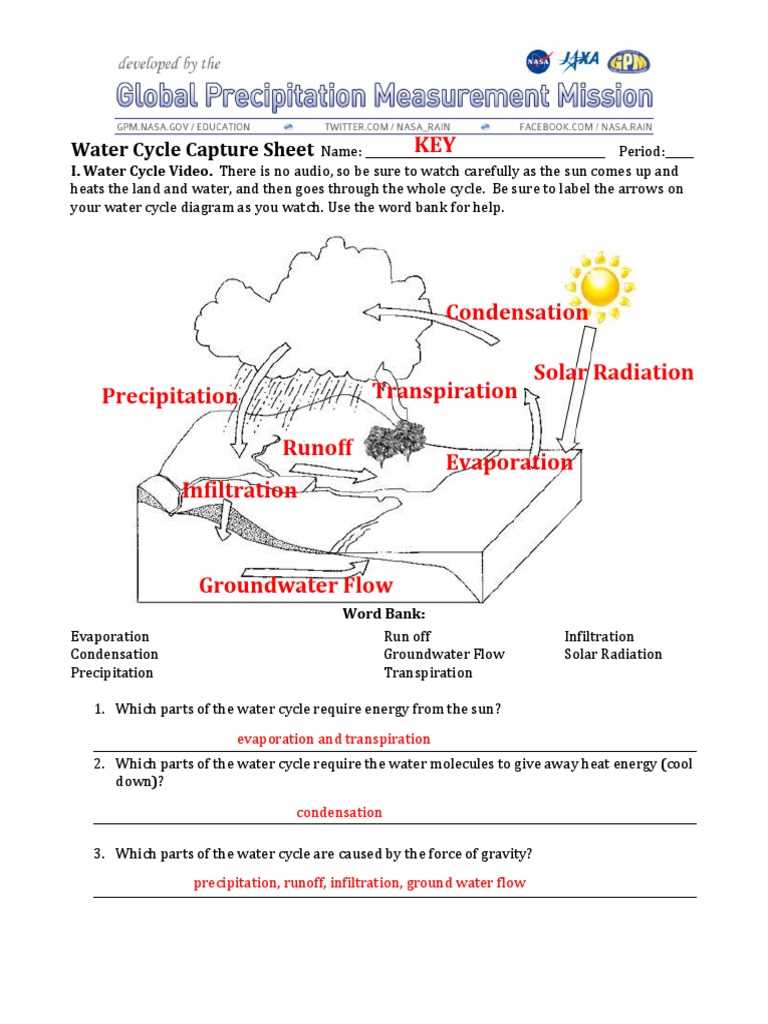
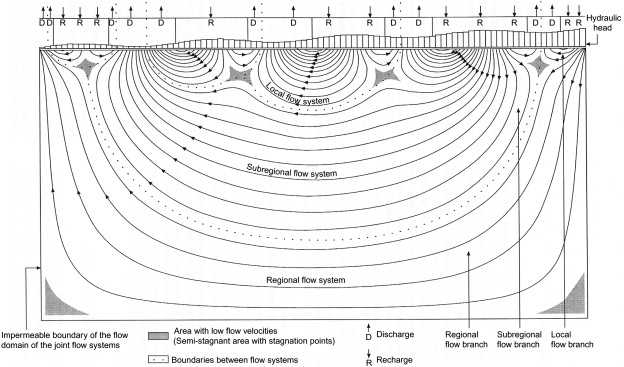
Flow direction is largely influenced by the slope of the land and the pressure exerted by surrounding materials. Water generally moves from areas of high pressure to lower pressure, following the path of least resistance. This can lead to lateral flow, or upward and downward shifts depending on the surrounding geology.
Understanding aquifer recharge is crucial. In regions with frequent rainfall, groundwater is replenished faster than in dry areas. Aquifers in arid regions may take years or centuries to refill, which makes sustainable management vital for long-term water use.
Contaminant spread is another factor to consider. Pollutants, such as chemicals or bacteria, follow the same paths as groundwater, often traveling far distances from their source. This underscores the importance of protecting water sources and monitoring underground flow patterns.