Understanding Distance and Time Graphs with Detailed Solutions
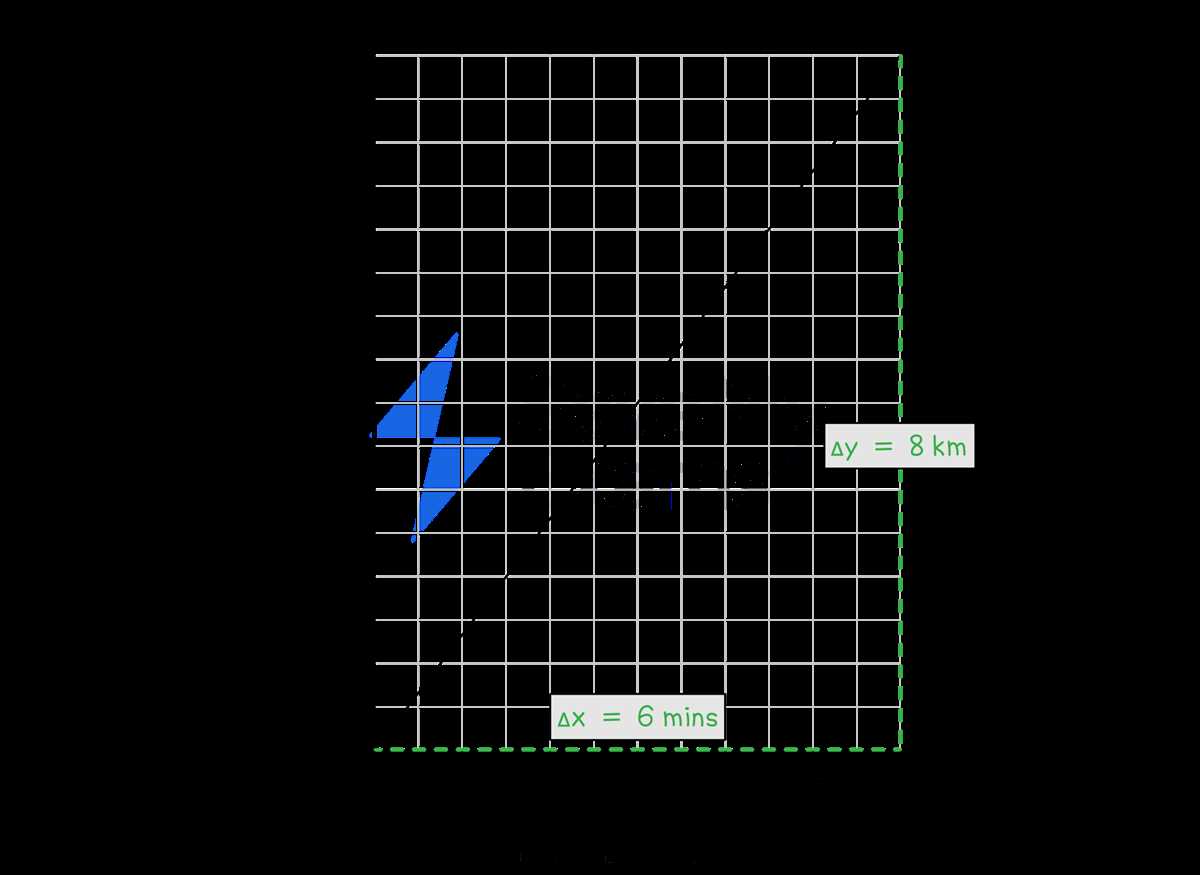
To accurately interpret motion, focus on identifying the slope and shape of the plotted data. For example, when a line rises steadily, it indicates consistent motion over a period. If the line flattens, the object is stationary. These observations allow you to easily decode speed, acceleration, and deceleration patterns.
The key to understanding these charts lies in recognizing how variations in the slope represent changes in velocity. Steeper slopes correspond to faster speeds, while gentler slopes suggest slower movement. Pay attention to both the direction and steepness for a clear understanding of the motion dynamics at play.
Lastly, practice interpreting various types of line segments. Straight lines represent uniform movement, while curved or jagged lines indicate fluctuating velocities. Mastery of these patterns helps you analyze real-world motion with precision.