Answer Key for Common Sense by Thomas Paine with Detailed Explanations
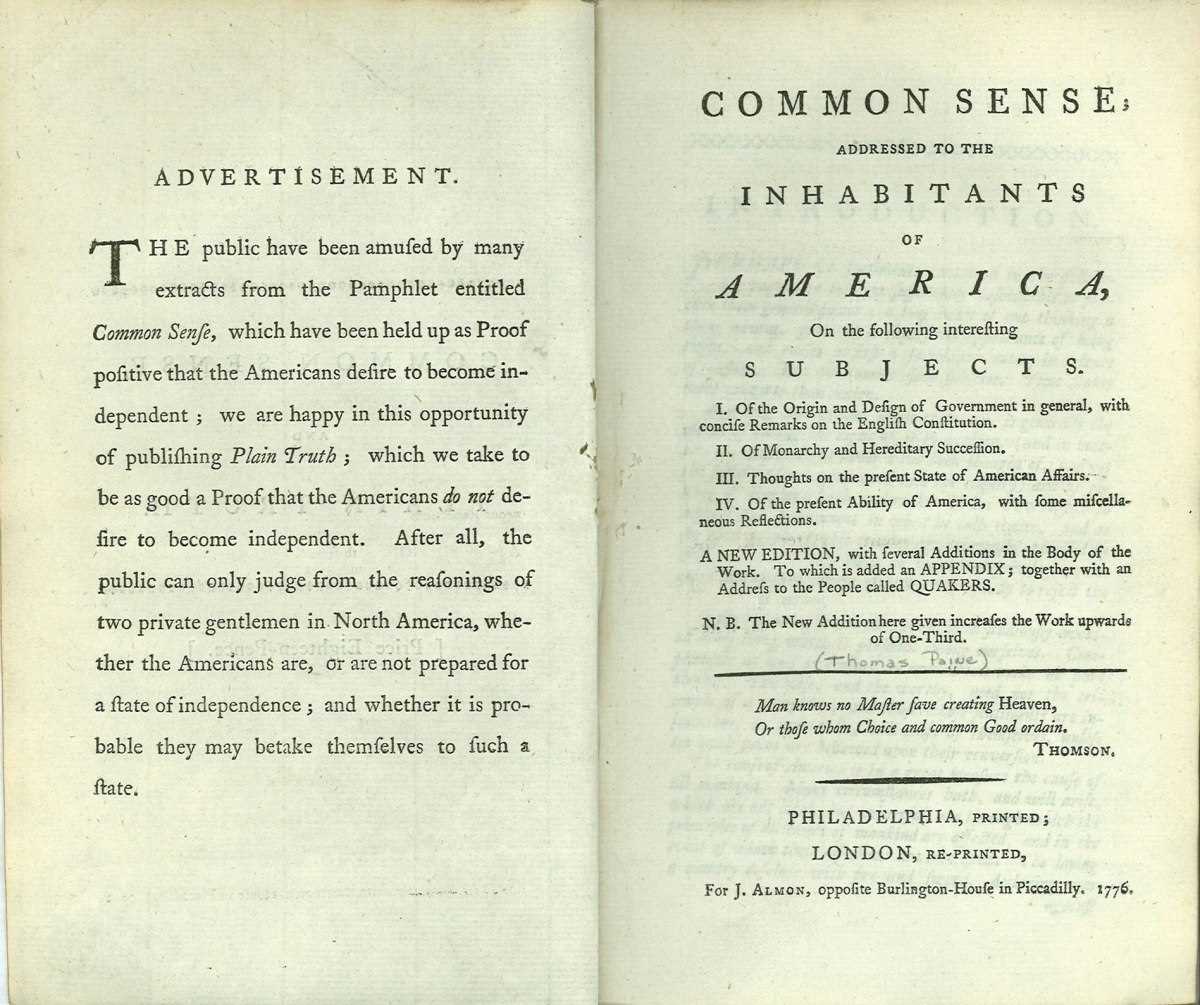
The pamphlet pushes readers to consider the necessity of breaking from British rule. A clear understanding of its arguments is crucial for anyone studying the foundations of American independence. In the following sections, we will analyze the key points presented by the author and provide detailed explanations to common questions that arise from reading the text.
The pamphlet argues that hereditary rule is unjust and that a system based on merit is far more effective. By directly addressing the flaws in monarchy and offering a vision of a republic, it helped galvanize public support for independence. To understand its full impact, it’s important to break down the arguments section by section, paying attention to both the rhetorical strategies and the practical implications Paine presents.
As you explore the analysis, consider the ways in which Paine appeals to both the emotions and logic of his audience. His direct language and simple, compelling style make his arguments accessible to the common people. By examining these elements closely, you’ll gain insight into how the pamphlet not only shaped public opinion but also contributed to the larger movement for freedom and self-governance.
Breaking Down the Main Arguments in Paine’s Pamphlet
Focus on understanding the key arguments presented in the text. Here’s a breakdown of the most significant points:
| Argument | Explanation |
|---|---|
| Critique of Monarchy | The pamphlet argues that monarchy is an unjust and unnatural form of governance. The hereditary nature of kingship is criticized as illegitimate and contrary to reason. |
| Call for Independence | Paine insists that the colonies should break away from British rule. He asserts that it is not only possible but necessary for the colonies to govern themselves. |
| Republican Government | A republic, as Paine advocates, ensures power rests with elected representatives, providing a fairer and more stable system than a monarchy. |
| Criticism of British Involvement | Paine critiques the British for interfering in the colonies’ internal matters and argues that their presence hinders economic and political progress. |
| Appeal to the Common People | The pamphlet directly addresses ordinary citizens, urging them to understand that their participation is crucial in the fight for independence and self-governance. |
To deepen your understanding, pay attention to how Paine uses logical reasoning and emotional appeals to convince his audience. His writing style is simple, but the power of his arguments is in their clarity and directness. Review each argument carefully to grasp how Paine systematically builds his case for a break from British rule.
Analyzing the Main Arguments of the Pamphlet
Focus on understanding the structure of the main arguments to grasp the reasoning behind the call for independence. Here’s a breakdown of the most critical points:
- Rejection of Monarchy: The text criticizes the hereditary monarchy as an unjust form of government. The argument is made that kings do not have a divine right to rule, and that monarchies are inherently oppressive.
- Call for Independence: A significant argument is that the colonies should no longer be subjugated to British control. The pamphlet asserts that it is both practical and necessary for the colonies to govern themselves independently.
- Republican Government: Paine advocates for the establishment of a republic, where representatives are elected by the people rather than appointed by birthright. This, he argues, would lead to a more just and fair system.
- Critique of British Control: The author outlines the many ways in which British interference harms the colonies, both economically and politically. The relationship is portrayed as one that benefits only Britain at the expense of the colonies.
- Appeal to Common People: The pamphlet specifically addresses ordinary citizens, encouraging them to understand that their participation is vital in the movement for self-rule and independence.
Each of these arguments is designed to resonate with the reader’s sense of justice and logic. Review the text carefully to analyze how Paine connects each point to a broader call for freedom. Pay attention to the way he uses both logic and emotional appeal to sway his audience towards revolution.
Breaking Down the Call for Independence
The author’s call for independence is built on several key ideas. He asserts that the colonies should not continue under British control because the relationship is inherently unequal and damaging. Here’s a closer look at the primary points:
- Natural Rights: The pamphlet argues that all people are born with inalienable rights, including the right to self-government. Continuing under British rule denies these rights and keeps the colonies in a state of subjugation.
- Unjust Government: The colonies are depicted as being under an unjust government that acts only in the interest of the British Crown, rather than the welfare of the people in the colonies. This exploitation is portrayed as morally wrong and unsustainable.
- Practical Necessity: The pamphlet stresses that independence is not just a moral imperative but a practical necessity. The colonies, by remaining under British control, are being prevented from achieving their full potential in terms of trade, governance, and security.
- Self-Sufficiency: Paine emphasizes that the colonies have the capability to govern themselves and prosper independently. He argues that they do not need British support to survive or thrive, and that breaking away will allow them to pursue their own interests and alliances.
- Severing Ties: The call to independence is not just about a break in governance but a complete severing of all ties with Britain. The pamphlet calls for the colonies to establish new, independent relationships with other nations.
Each point builds on the idea that independence is both a natural right and a necessary step for the colonies to secure their future. By examining these arguments closely, you can better understand why the pamphlet had such a profound impact on colonial sentiment.
Understanding the Critique of Monarchy
The pamphlet provides a sharp critique of monarchy, focusing on its inherent flaws and injustices. Here are the key aspects of this argument:
- Illegitimacy of Hereditary Rule: The author argues that monarchy is not a valid form of government because it is based on hereditary succession. This system grants power to individuals without regard for merit or the people’s consent.
- Unaccountable Power: The critique emphasizes that monarchs wield absolute power with little to no accountability. This concentration of power in one person is portrayed as both dangerous and unjust, leading to corruption and abuse.
- Contradiction with Natural Rights: The text argues that monarchy contradicts the basic
Key Historical Context Behind the Pamphlet
Understanding the historical context is crucial for fully grasping the impact and significance of the pamphlet. Here are the main factors that shaped its creation and reception:
- Colonial Discontent: By the time the pamphlet was published, tensions between the American colonies and Great Britain had been escalating for years. Taxation without representation, the Intolerable Acts, and British military presence in the colonies were key issues that fueled colonial anger.
- The French and Indian War: The war had left Britain deeply in debt, leading them to impose heavy taxes on the colonies to recover the costs. These taxes, like the Stamp Act and Tea Act, were deeply unpopular and seen as unjust by the colonists.
- The Enlightenment: The intellectual movement of the Enlightenment greatly influenced the pamphlet’s ideas. Philosophers like John Locke and Jean-Jacques Rousseau had already introduced concepts of natural rights, social contracts, and the right to revolt against oppressive governments, which Paine incorporated into his argument.
- The Role of Propaganda: The pamphlet served as a form of propaganda, aimed at convincing ordinary people to support the cause of independence. It was written in clear, accessible language to ensure it reached a broad audience, including those who may not have been highly educated.
- The American Revolution: By 1776, armed conflict had already begun between the colonies and Britain, with the battles of Lexington and Concord, Bunker Hill, and others escalating tensions. The pamphlet helped solidify the desire for independence, particularly in the wake of early military engagements.
By examining these historical factors, you can better understand how the pamphlet became a catalyst for the movement toward independence. Its publication at such a critical juncture played a pivotal role in shaping the Revolutionary War and the future of the United States.
Exploring the Appeal to the Common People
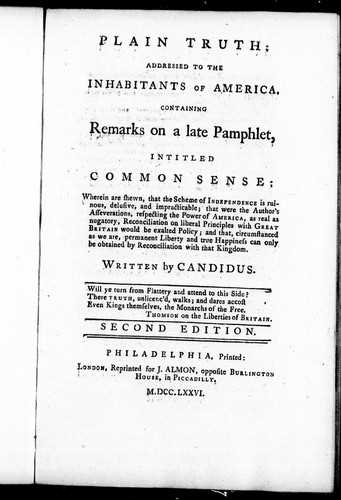
The pamphlet was intentionally written in a style that would resonate with everyday individuals, not just the intellectual elite. Paine’s writing avoided complex language and philosophical jargon, making his arguments accessible to a broad audience, including farmers, workers, and tradespeople. His goal was to mobilize ordinary citizens to support independence, and he used several strategies to achieve this.
- Clear, Direct Language: Paine used straightforward and simple language, ensuring that his ideas could be understood by those who might not have formal education. This approach helped him reach a wider audience and made his message more relatable.
- Emotional Appeal: The pamphlet frequently uses emotional appeals to engage readers’ sense of injustice. Paine highlights the suffering of the colonies under British rule, urging the public to recognize their oppression and take action.
- Promising a Better Future: By framing independence as the pathway to prosperity and self-governance, Paine offered hope to the common
Impact on Colonial Sentiment
The pamphlet significantly altered the political climate in the American colonies. By directly addressing the common people, it shifted many from ambivalence to strong support for independence. Key effects include:
- Mobilizing Public Opinion: The pamphlet reached a broad audience, including those who had previously been neutral or unsure about independence. It sparked widespread discussion and became a catalyst for pro-independence sentiment.
- Strengthening Revolutionary Resolve: By presenting a clear argument against monarchy and British rule, it bolstered the determination of colonists already sympathetic to the cause of independence, encouraging them to take action.
- Undermining Loyalist Support: Paine’s arguments were effective in weakening the resolve of those loyal to Britain. The pamphlet made it harder for colonists to justify remaining under British control, even if they had been initially hesitant to rebel.
- Influencing Key Leaders: Many colonial leaders, including moderates who were not yet ready to fully break from Britain, were swayed by the pamphlet’s clarity and compelling rhetoric, leading to stronger support for the Continental Congress’s actions.
- Shaping the Revolutionary Narrative: The pamphlet helped reframe the conflict from a mere political dispute into a moral and existential struggle for freedom. It resonated with the public’s desire for justice and self-determination.
The pamphlet’s influence on colonial sentiment was profound, creating a more unified front in the fight for independence. It played a pivotal role in preparing the colonies for the Declaration of Independence and the Revolutionary War.
Detailed Responses to Common Questions
Below are detailed explanations for some of the key questions that arise when studying the pamphlet:
Question Detailed Answer What is the author’s main argument about monarchy? The pamphlet argues that monarchy is an illegitimate form of government. It criticizes hereditary rule and the concentration of power in one individual, suggesting that it leads to corruption, oppression, and injustice. The author asserts that such a system contradicts natural rights and must be abolished. Why does the author call for independence? Independence is presented as the only path to freedom and prosperity. The colonies are depicted as being exploited by Britain, which hampers their growth and self-determination. The pamphlet argues that the colonies are fully capable of self-governance and would be better off without British rule. How does the pamphlet appeal to ordinary people? The pamphlet is written in clear, simple language, making it accessible to a wide audience, including those without formal education. It addresses common grievances and emphasizes the injustice of British rule in terms that resonate with everyday people. The call for action is direct, urging them to participate in the struggle for independence. What role does the pamphlet play in colonial unity? The pamphlet helped unify the colonies by articulating a shared sense of oppression and the need for collective action. It galvanized support for independence and encouraged colonists to take a stand against British authority. Its influence reached all social classes and provided a common ideological foundation for the revolutionary cause. How does the author view the relationship between Britain and the colonies? The pamphlet describes the relationship as exploitative and unnatural. The author argues that the colonies are being unfairly controlled and taxed without representation, while Britain benefits at their expense. It is portrayed as a dysfunctional relationship that must be severed for the colonies to thrive. These answers provide deeper insight into the core arguments presented in the pamphlet. By understanding the context and reasoning behind these responses, readers can better appreciate the pamphlet’s influence on colonial thought and the path to independence.
How Rhetorical Strategies Shaped Public Opinion
The pamphlet’s influence on colonial opinion can be attributed to the author’s masterful use of rhetorical techniques. These strategies helped sway public sentiment and encouraged the call for independence. Key tactics include:
- Appeal to Emotion: The pamphlet used emotional language to evoke a sense of injustice and urgency. By describing the suffering of the colonies under British rule, the author made the case for revolution feel like a moral and immediate necessity.
- Logical Argumentation: Paine laid out a clear, rational argument against the monarchy. He used logical reasoning to dismantle the idea that the colonies needed Britain’s protection, showing how the colonies could thrive independently.
- Direct Address: The author used direct address, speaking to the reader as if engaging in a conversation. This personal tone helped readers feel involved and compelled to act, making them feel personally responsible for the outcome.
- Use of Analogies: Paine drew on familiar analogies to simplify complex political ideas. For instance, he compared the relationship between the colonies and Britain to that of a parent and child, arguing that just as a child must eventually become independent, so too must the colonies.
- Rhetorical Questions: Paine used rhetorical questions to prompt the reader to think critically about their situation. Questions like “Why should we be governed by a distant monarchy?” forced readers to confront the absurdity of British rule.
These strategies created a compelling narrative that was easy for a wide audience to understand and relate to. By combining emotional appeal with logical reasoning, the pamphlet turned abstract political ideas into urgent calls to action, playing a crucial role in shifting public opinion toward independence.