Cell Cycle Mitosis Labeling Answer Key with Detailed Explanations
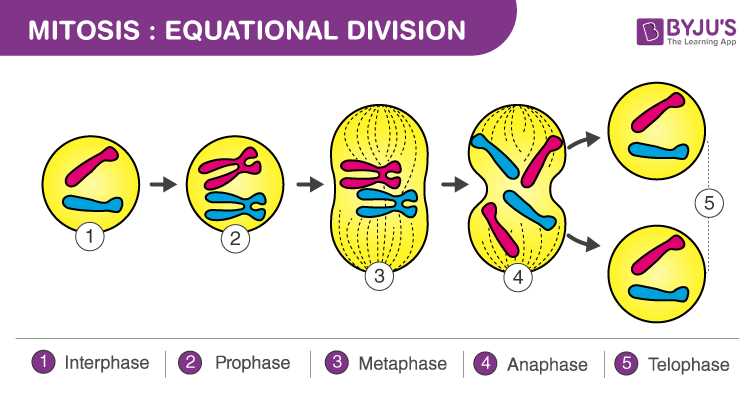
Start by focusing on the main phases of cell division: prophase, metaphase, anaphase, and telophase. These stages are the most critical for recognizing and marking structures like chromosomes, centromeres, and spindle fibers. Practice by reviewing diagrams and identifying each component based on its position and function during division.
Prophase is where the chromatin condenses into visible chromosomes, making it easier to locate them in the diagram. In metaphase, chromosomes align at the cell’s equator, forming the metaphase plate. Recognizing this alignment will help you label it correctly. During anaphase, sister chromatids are pulled toward opposite poles, and spindle fibers become more prominent. Finally, telophase signals the reformation of the nuclear envelope and the end of division.
When working with diagrams, note that the shapes and positions of structures like the spindle apparatus, centrioles, and chromosomes change significantly throughout the process. Pay attention to the key transitions between each phase to avoid mistakes in identifying these structures. Using a clear, systematic approach will make the annotation process much easier and help you achieve more accurate results.
Cell Division Phases and How to Identify Key Structures
Accurate identification of structures during cell division starts with understanding each phase’s unique features. Focus on these specific details to correctly annotate the diagram:
- Prophase: The chromatin begins to condense into distinct chromosomes. The nuclear envelope starts to break down, and spindle fibers emerge. Look for tightly packed chromosomes and the formation of the spindle apparatus.
- Metaphase: Chromosomes align at the cell’s equator, forming the metaphase plate. This is the clearest phase for identifying individual chromosomes. Make sure to label the centromere at the center of each chromosome.
- Anaphase: The centromere splits, and sister chromatids are pulled to opposite poles of the cell. This is when the chromatids begin to separate, so focus on labeling the chromatids being pulled apart by the spindle fibers.
- Telophase: The nuclear envelope reforms around the separated chromatids, now at opposite ends of the cell. Look for the presence of two new nuclei and the decondensation of the chromosomes back into chromatin.
To enhance your understanding, refer to labeled diagrams where each phase is clearly marked. Practice with these to ensure you can recognize and correctly identify the various components such as spindle fibers, centromeres, chromosomes, and nuclear envelopes.
Common mistakes include confusing prophase with metaphase due to similar chromosome structures. Keep in mind that during prophase, the chromosomes are not aligned, whereas, in metaphase, they are arranged at the center. Also, ensure that you are marking the transition from one phase to the next accurately–this will help avoid confusion and improve precision in your annotations.
Understanding the Phases of Division for Accurate Annotation
To correctly identify and annotate the key components during the process of cellular division, focus on these distinct stages:
- Prophase: The chromatin condenses into visible chromosomes. Look for the disappearance of the nuclear envelope and the appearance of the spindle apparatus. Ensure that the centrioles are positioned at opposite poles of the cell.
- Metaphase: Chromosomes line up at the cell’s equator. The centromeres should be clearly marked, as they hold the sister chromatids together. This is the easiest phase to recognize due to the organized arrangement of chromosomes.
- Anaphase: Sister chromatids are separated and moved to opposite poles. This is a key phase for noting the changes in chromosome structure and the pulling force of spindle fibers.
- Telophase: Two distinct nuclei form at opposite ends of the cell. Chromosomes begin to decondense back into chromatin. The nuclear envelope reappears around each group of chromatids.
Pay attention to the specific characteristics that distinguish each stage. In prophase, look for the early formation of the spindle and the beginning of chromosome condensation. In metaphase, ensure you identify the chromosomes aligned at the equator and clearly separate from one another. The transition from anaphase to telophase is often subtle; make sure you are able to differentiate between the chromatids being pulled apart in anaphase and the formation of new nuclei in telophase.
Consistency in identifying these stages will help you create more accurate annotations and avoid common mistakes, such as confusing the metaphase alignment with the early prophase stage or missing the separation of chromatids in anaphase.
How to Identify Key Structures in Division Diagrams
Focus on the following structures when reviewing diagrams of division to ensure correct identification:
- Chromosomes: In prophase, the chromatin condenses into visible chromosomes. Look for distinct, X-shaped structures with two chromatids connected at the centromere. These become more visible as the process progresses.
- Spindle Fibers: These thread-like structures are responsible for pulling chromatids apart. In metaphase, spindle fibers attach to the centromeres. In anaphase, they become more pronounced as they pull chromatids toward opposite poles.
- Centrioles: Found at opposite poles of the cell in prophase, centrioles are often visible near the spindle fibers. They play a critical role in organizing the spindle apparatus.
- Nuclear Envelope: This structure starts to break down in prophase and re-forms in telophase. Pay attention to its disappearance and reappearance around the separated chromatids.
- Metaphase Plate: In metaphase, chromosomes line up along the central plane of the cell. Identifying this arrangement is key to recognizing the transition from metaphase to anaphase.
Practice distinguishing these structures in different phases to improve accuracy. Use contrasting colors or different shading techniques when marking each element to avoid confusion. Recognizing the subtle changes in these structures between phases is essential for proper annotation and understanding of the division process.
Step-by-Step Guide to Labeling the Stages of Division
Follow this structured approach to annotate the stages of cellular division accurately:
| Step | Stage | Key Features |
|---|---|---|
| 1 | Prophase | Identify condensed chromosomes. Look for the disintegration of the nuclear membrane and the appearance of the spindle fibers. |
| 2 | Metaphase | Mark the alignment of chromosomes at the cell’s equator. Label the centromere connecting sister chromatids. |
| 3 | Anaphase | Locate the separation of sister chromatids, being pulled toward opposite poles. Focus on the visible spindle fibers and chromatids moving apart. |
| 4 | Telophase | Look for two newly forming nuclei at opposite ends of the cell. The chromosomes begin to decondense, and the nuclear envelope starts to reappear. |
Work through each phase methodically. Begin with identifying large, obvious features such as chromosomes and the spindle apparatus, then focus on smaller details like the centromere and the decondensation of chromosomes. Using this order will help prevent confusion and lead to more accurate annotations.
Common Mistakes When Identifying Stages of Division and How to Avoid Them
Here are some common errors that can occur during the annotation of division stages, along with tips to avoid them:
- Confusing Prophase and Metaphase: Prophase involves the condensation of chromosomes, while in metaphase, chromosomes align at the equator. Ensure you recognize the difference in chromosome arrangement before marking.
- Missing the Centromere: The centromere is crucial for holding chromatids together, especially visible in metaphase. If it’s overlooked, it can lead to inaccurate labeling. Always check for the centromere before proceeding to the next phase.
- Overlooking the Spindle Apparatus: The spindle fibers become more visible in metaphase and anaphase, where they pull the chromatids apart. Do not forget to label them during these stages.
- Misidentifying Telophase: Telophase marks the beginning of two new nuclei forming. If you mistakenly label this phase as anaphase, you might miss the signs of nuclear envelope reformation. Look for decondensing chromosomes and nuclear re-formation.
- Not Noticing the Subtle Changes Between Stages: The transition between stages, such as the shift from metaphase to anaphase, can be subtle. Pay close attention to the movement of chromatids and the alignment of chromosomes to make the distinction clear.
By focusing on these specific details and being cautious of these mistakes, you can improve your accuracy when identifying and marking each stage. Repeated practice with diagrams will help you become more familiar with the characteristics of each phase, making the process easier and more precise over time.
Tips for Memorizing the Key Features of Each Stage of Division
To help you memorize the key characteristics of each division stage, use the following techniques:
- Use Mnemonics: Create simple memory aids to associate each phase with a key event. For example, “P MAT” can help you remember the order of the phases: Prophase, Metaphase, Anaphase, and Telophase.
- Visualize the Changes: Focus on how the structures in the diagram change with each phase. For instance, visualize chromosomes condensing in prophase, aligning in metaphase, separating in anaphase, and reforming in telophase.
- Practice with Diagrams: Regularly practice annotating diagrams. Repeated exposure to the images will reinforce memory and help you recognize the distinctive features of each stage more easily.
- Associate with Real-Life Examples: Relate each phase to everyday objects or actions. For example, think of prophase as the “start” or “setup” phase, metaphase as the “alignment” phase, anaphase as “separation,” and telophase as the “rebuilding” phase.
- Teach Someone Else: Explaining the phases to a peer or student helps reinforce your understanding. Teaching forces you to recall and articulate key features clearly.
For additional resources and diagrams, visit the Khan Academy Biology section for comprehensive lessons and interactive content on the topic.
Using Microscopic Images to Improve Your Division Annotation Skills
To improve your ability to identify and annotate structures during division, practice with high-quality microscopic images. These images provide detailed views of the process and allow you to see the structures in real-life context.
- Focus on Clear Phase Differentiation: Look for key features such as the condensation of chromosomes in prophase, their alignment in metaphase, separation in anaphase, and nuclear reformation in telophase. High-resolution images help you identify these subtle transitions.
- Zoom in on Critical Structures: Use the zoom function to examine individual components like spindle fibers, centrioles, and chromatids. This will help you better understand their roles and improve accuracy when marking them on diagrams.
- Compare Multiple Views: Review multiple microscopic images of each stage from different angles. This will reinforce your understanding of how structures change throughout the division process.
- Use Digital Tools: Take advantage of interactive resources and image annotation tools that allow you to practice labeling structures directly on microscopic images. This hands-on approach enhances retention and accuracy.
For reference, visit trusted resources such as NCBI’s Cell Division Resources for access to high-quality images and detailed explanations. Regular practice with these visuals will improve your confidence and precision in identifying division stages.
How to Interpret the Solution Guide for Division Exercises
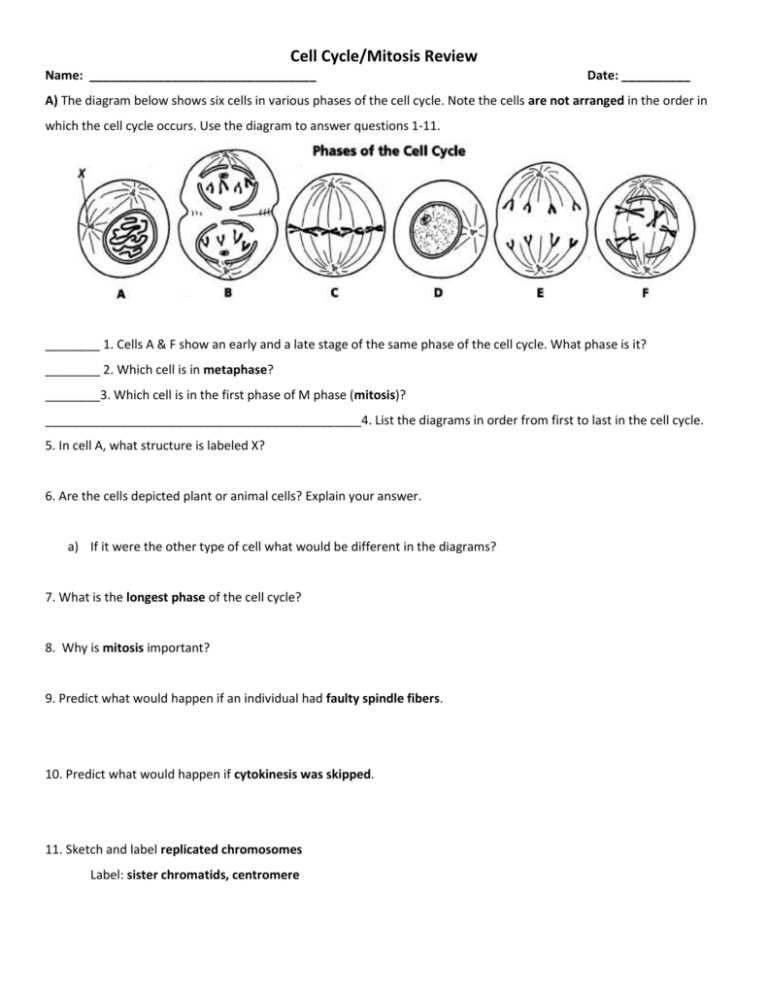
Understanding how to interpret the solution guide for division exercises is critical for accurate self-assessment and improvement. Follow these steps to effectively use the guide:
| Step | Action | Explanation |
|---|---|---|
| 1 | Compare your Diagram | Check each phase in your diagram against the provided solution. Look for discrepancies in the structures you’ve marked, such as chromosomes, spindle fibers, and nuclear envelopes. |
| 2 | Focus on Phase Transitions | Pay attention to how the guide explains the transition between each stage. Ensure you’ve correctly identified key changes, like chromosome condensation or alignment at the metaphase plate. |
| 3 | Review Structure Locations | Check the locations of important structures (e.g., centrioles, spindle fibers) in the guide. Compare their placement and ensure you’ve placed them correctly in your diagram. |
| 4 | Understand the Annotations | Read through the annotations in the guide to clarify any unclear structures or stages. This will help you connect each feature with its function during division. |
| 5 | Learn from Mistakes | If you missed a feature or misidentified a stage, note the correction in the guide and study why the solution is correct. This helps reinforce your understanding of the process. |
By following this approach, you will improve your ability to identify the stages and key components of division, ensuring greater accuracy in future exercises.
Practical Applications of Division Annotation in Biology Education
Mastering the identification of division stages has several practical applications in biology education:
- Enhancing Visual Literacy: By studying diagrams and microscopic images, students develop the ability to identify and interpret complex biological processes. This improves their overall scientific literacy and understanding of cellular functions.
- Building a Strong Foundation for Genetics: Understanding division is key to grasping genetic inheritance and variation. Accurately identifying the stages aids in comprehending the processes of chromosome segregation and genetic diversity.
- Supporting Active Learning: Annotating diagrams encourages active engagement with the material. Students gain hands-on experience that reinforces theoretical knowledge through practical application.
- Facilitating Lab Work: Students who can accurately identify division stages are better equipped for practical lab exercises involving microscopy. This improves their skills in preparing slides, using microscopes, and analyzing cell samples.
- Preparing for Advanced Topics: A solid understanding of division prepares students for more advanced topics in cell biology, such as cancer research, developmental biology, and biotechnology, where these processes are crucial.
Incorporating division exercises into curricula enhances both the depth and breadth of students’ knowledge, providing them with valuable skills for future scientific study.