Case Study on Bacterial Transformation Solution and Methodology
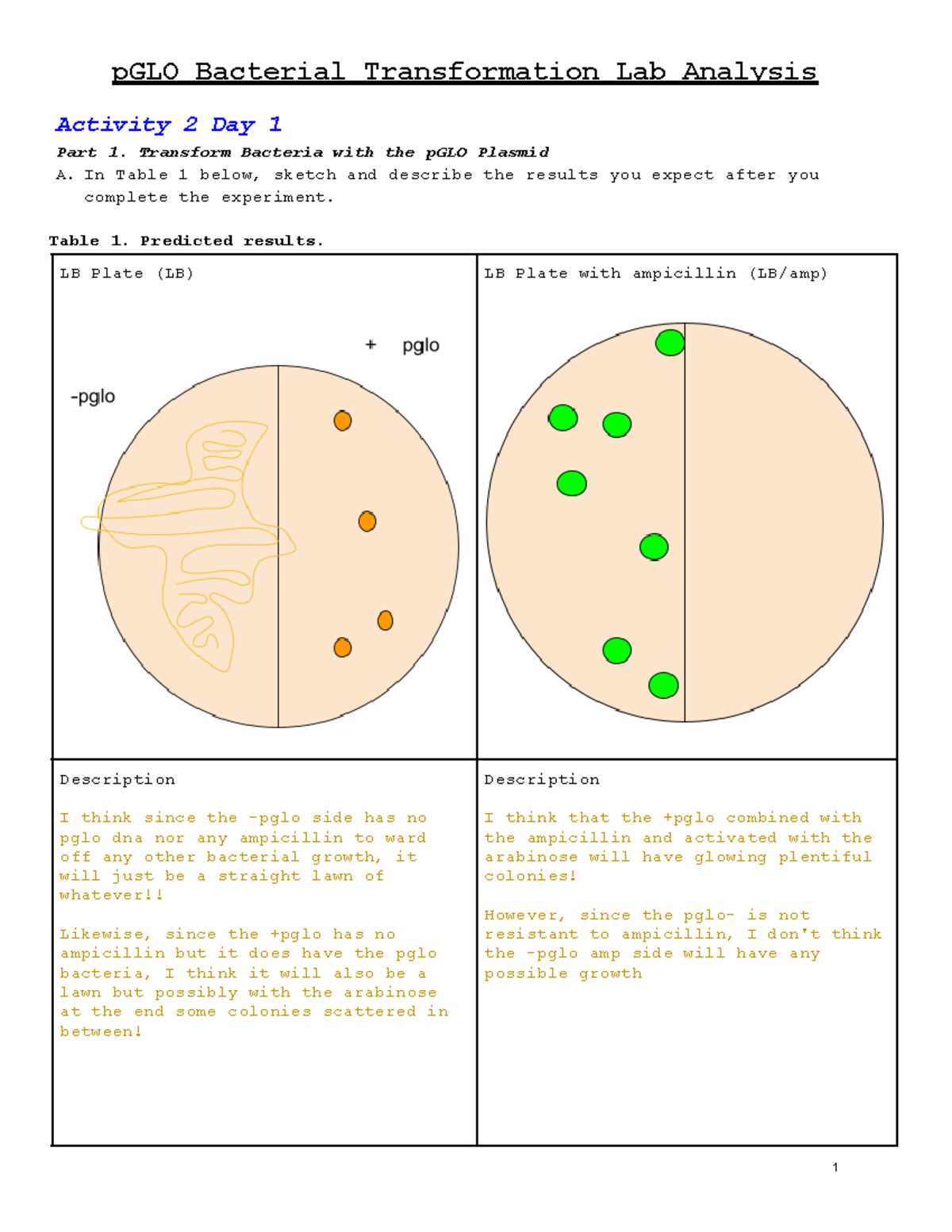
To understand the process of incorporating new genetic material into microorganisms, begin by focusing on the critical steps and methods used in the procedure. Start by preparing the host organism, ensuring that it is in the right physiological state to accept foreign DNA. One common approach involves making the cell membrane more permeable through chemical treatments, such as calcium chloride, or physical methods like electroporation.
Once the cells are ready, the next step involves introducing the foreign genetic material, usually in the form of a plasmid or linear DNA. The goal is to ensure that this new genetic code is successfully incorporated into the microorganism’s genome. Monitoring the success of this process often requires selecting transformed cells using selective media or observing the expression of new traits, such as antibiotic resistance.
By carefully analyzing the results of the transformation process, you can determine whether the experiment was successful. Understanding the specific factors that influence the uptake of DNA, such as temperature, incubation time, and the use of different strains, will help troubleshoot any issues that arise during the procedure.
Genetic Material Incorporation in Microorganisms Solution Guide
To begin this experiment, ensure the host cells are properly prepared for the introduction of new genetic material. The first step involves making the cells competent, which increases their ability to take up foreign DNA. Common methods include calcium chloride treatment or electroporation. Following this, add the DNA plasmid or linear genetic material to the competent cells.
Incubate the cells under appropriate conditions, typically on ice to slow the cells down and increase DNA uptake. Then, heat shock the cells to increase the permeability of the membrane, allowing the DNA to enter. After this, the cells need to be placed in a nutrient-rich medium to allow recovery and expression of any introduced traits.
Next, select for successfully transformed cells by growing them on selective media that only allows the survival of cells with the new DNA. This can include the use of antibiotics or other markers, depending on the genes introduced. For accurate results, ensure that you include control samples with no genetic material to identify any contamination or other issues that may affect the results.
Finally, verify the transformation’s success by analyzing the growth of transformed cells or testing for the expression of the inserted gene. Molecular techniques like PCR or restriction digestion can confirm the presence of the new DNA. By following these steps, you can systematically incorporate and select for new genetic traits in your microorganism of interest.
Overview of Genetic Material Uptake in Microorganisms
The process begins by preparing host cells to become permeable to foreign genetic material. This is typically done by creating “competent” cells through chemical treatment (such as calcium chloride) or physical methods like electroporation. These techniques make the cell membranes more receptive to the external DNA.
Once the cells are competent, the next step involves introducing the genetic material, which could be plasmids or linear DNA fragments. This is often done by mixing the DNA with the cells under conditions that promote DNA uptake, such as a brief heat shock or electrical pulse that facilitates the entry of the foreign DNA into the cells.
After the DNA is introduced, the cells are placed in a recovery medium to allow them to express any new genes. The cells are then incubated under optimal growth conditions. During this time, they can replicate and incorporate the foreign genetic information into their genome, or express the introduced genes if they are in an expression vector.
The final step is selecting for cells that have successfully incorporated the new DNA. This is usually done by growing the cells on a selective medium, such as an agar plate containing an antibiotic. Only cells that have taken up the foreign DNA, which typically includes a resistance gene, will survive and form colonies.
To confirm the successful uptake of genetic material, techniques like polymerase chain reaction (PCR), gel electrophoresis, or sequencing are used to verify the presence of the inserted genes. These methods ensure that the introduced genes have been properly integrated or are functional in the host microorganism.
Steps Involved in Genetic Material Uptake Process
Step 1: Preparing Competent Cells – The first step is to make the recipient cells competent, meaning they can take up foreign DNA. This is achieved by using chemical treatments, like calcium chloride, or physical methods such as electroporation. These methods alter the cell membrane’s permeability, allowing it to absorb DNA from the surrounding environment.
Step 2: DNA Introduction – After preparing the cells, DNA (often a plasmid or other desired genetic material) is introduced into the competent cells. This step can involve a heat shock or an electrical pulse to facilitate the entry of the DNA into the cells. The DNA is typically added to the cells in a suspension medium, followed by a brief incubation to encourage uptake.
Step 3: Recovery Period – Following DNA uptake, the cells are placed in a recovery medium, which allows them time to repair their cell walls and express any newly acquired genes. This period is crucial for the cells to stabilize and incorporate the genetic material into their systems.
Step 4: Selection of Transformed Cells – To identify cells that have successfully incorporated the foreign DNA, a selective growth medium is used. This medium often contains antibiotics or other selective agents. Only those cells that have taken up the plasmid (which may carry a resistance gene) will survive and grow.
Step 5: Verification of DNA Uptake – Once the transformed cells are grown on the selective medium, further verification is needed to confirm the genetic material integration. Techniques like PCR (Polymerase Chain Reaction), restriction enzyme digestion, or sequencing are used to check for the presence of the inserted DNA.
Step 6: Colony Analysis – Finally, colonies that have successfully undergone genetic modification are analyzed for the desired traits or characteristics. These colonies are typically grown in larger cultures for further research or production processes.
Common Methods Used in Genetic Material Uptake
1. Chemical Transformation – This method involves treating cells with chemical agents, such as calcium chloride, to make their membranes more permeable to foreign DNA. After the cells are incubated with DNA, they are subjected to a heat shock, which facilitates the uptake of the genetic material.
2. Electroporation – Electroporation uses an electric field to create temporary pores in the cell membrane, allowing DNA to enter the cell. This technique is more efficient than chemical transformation for certain bacterial strains and is commonly used in research and industrial applications.
3. Natural Transformation – Some bacteria, like certain species of *Streptococcus* or *Neisseria*, are naturally competent and can take up DNA from their environment without any external manipulation. This process is driven by specific proteins on the bacterial surface that recognize and transport DNA into the cell.
4. Biolistic Transformation – Also known as “gene gun” transformation, this technique involves shooting tiny gold or tungsten particles coated with DNA into the cells. This method is typically used for plant cells but has applications in bacterial transformation as well, especially when other methods are less effective.
5. Viral-Mediated Transformation – This method uses modified viruses to deliver foreign genetic material into bacterial cells. The virus injects its genetic material, along with the desired DNA, into the bacterial cell. This technique is often used in more specialized genetic research.
6. Microinjection – Microinjection involves directly injecting DNA into a cell using a fine needle. This technique is typically used for eukaryotic cells but can also be applied to certain bacterial strains, especially for precise genetic modifications.
How to Analyze Results of Genetic Material Uptake
1. Check Colony Growth – The first step in evaluating the outcome of genetic modification is to assess the growth of bacterial colonies on selective media. If the foreign genetic material has been successfully incorporated, the bacteria should grow in the presence of selective agents (e.g., antibiotics). No growth in the presence of the selective agent usually indicates failure in uptake or resistance.
2. Evaluate Colony Morphology – Examine the colonies for differences in size, shape, or color. These differences could indicate successful expression of the inserted genes. For example, a colony that has incorporated a plasmid with a gene for antibiotic resistance will appear larger compared to non-transformed colonies.
3. Conduct a Control Experiment – Always run control plates with non-transformed bacteria to compare with experimental plates. Controls help identify background growth and ensure that the selective pressure is working as intended. This allows you to differentiate between naturally resistant bacteria and successfully transformed cells.
4. Perform PCR (Polymerase Chain Reaction) – To verify the presence of the inserted gene, perform PCR amplification using primers specific to the target sequence. If the genetic material has been successfully integrated, you should observe amplification of the target DNA fragment.
5. Use Gel Electrophoresis – After PCR, perform gel electrophoresis to analyze the size and integrity of the amplified DNA. This helps confirm whether the desired DNA sequence has been inserted and whether it is of the expected size. A mismatch in size or missing bands could indicate issues with the transformation.
6. Test for Protein Expression – If the inserted gene is intended to express a protein, you can analyze protein expression through methods like Western blotting or enzyme assays. This confirms that the genetic modification not only took place but that it is functionally active within the bacterial cells.
For more detailed guidance on interpreting bacterial transformation results, refer to reliable resources such as NCBI.
Common Errors in Genetic Material Uptake and How to Avoid Them
1. Insufficient Heat Shock – Heat shock is crucial for facilitating the uptake of foreign DNA. If the temperature is not optimized, transformation efficiency can be drastically reduced. Always follow the recommended protocol for heat shock duration and temperature (usually 42°C for 30-60 seconds).
2. Inadequate Competent Cells – The quality of competent cells plays a significant role in the success of the process. Ensure that cells are freshly prepared or properly stored (typically in liquid nitrogen) to maintain their competence. If the cells are old or improperly handled, they may not take up genetic material efficiently.
3. Contamination of Materials – Contamination by unwanted microorganisms or impurities can interfere with the transformation. Sterilize all tools, use clean techniques, and avoid contamination of media, plasmids, and bacterial cultures.
4. Incorrect Selection Conditions – If the selection markers (e.g., antibiotics) are not correctly prepared or not at the proper concentration, transformed bacteria may not survive or grow. Verify antibiotic concentrations and always use fresh stock solutions.
5. Overuse of Plasmid DNA – Excess plasmid DNA can cause toxicity in bacterial cells, leading to lower transformation rates. Use the recommended quantity of plasmid DNA to avoid this issue. Usually, 1-10 ng of plasmid DNA is sufficient for effective uptake.
6. Inaccurate Plating – Uneven plating or overcrowding on agar plates can make it difficult to count colonies or assess the success of the transformation. Plate the cells evenly and spread them to allow individual colonies to form.
7. Poor Incubation Conditions – If incubation conditions, such as temperature or time, are not optimal for the bacterial strain, cell growth may be hindered. Be sure to follow the temperature guidelines specific to the bacterial strain being used for the best results.
8. Failure to Confirm Gene Insertion – If gene insertion is not confirmed through PCR or other verification methods, it’s impossible to know whether the transformation was successful. Always perform confirmation tests after the procedure to ensure the expected results.
To minimize errors, refer to trusted protocols such as those available on NCBI for up-to-date guidance on bacterial transformation techniques.
Impact of Genetic Material Uptake on Genetic Research
1. Advancing Gene Function Studies – By introducing foreign DNA into cells, researchers can study how specific genes function within living organisms. This allows the identification of gene roles in disease mechanisms, metabolic pathways, and cellular processes.
2. Enhancing Gene Editing Techniques – The ability to transfer genetic material has been crucial in developing gene editing tools like CRISPR-Cas9. Researchers can modify genomes with precision, opening the door to treatments for genetic disorders.
3. Drug Development and Screening – Genetic uptake allows for the creation of bacterial or mammalian models that can be used to test the effects of new drugs. These models are valuable for screening compounds that target specific genes or proteins.
4. Facilitating Genetic Engineering – The process plays a key role in creating genetically modified organisms (GMOs) by enabling the insertion of desired traits into organisms, ranging from crops with improved resistance to disease to livestock with enhanced growth rates.
5. Understanding Evolution and Resistance – Scientists can study how organisms acquire new traits, such as antibiotic resistance, by examining the uptake of genetic material. This helps in understanding evolutionary pressures and the spread of resistance in pathogenic bacteria.
6. Generating Novel Biosensors – Transformation techniques enable the creation of custom biosensors that can detect environmental pollutants, pathogens, or other targets. These biosensors are valuable tools in environmental monitoring and public health.
7. Developing Biotherapeutic Approaches – By transferring genes into bacteria or other cells, researchers can develop systems that produce therapeutic proteins, vaccines, and other biologics that are critical for treating diseases.
8. Improving Agricultural Research – The manipulation of plant genes through transformation enhances crop yields, nutritional content, and resistance to pests. This directly contributes to food security and sustainable agriculture.
Alternative Approaches to Genetic Material Uptake
1. Electroporation – This method uses an electrical field to increase the permeability of a cell’s membrane, allowing DNA to enter. It’s particularly useful for introducing plasmids into a wide range of organisms, including those that are more difficult to transform using traditional methods.
2. Microinjection – DNA is directly injected into the cell’s cytoplasm using a fine needle. This technique is commonly used for genetic modification in animal cells and can be applied to plant cells as well, especially in high-precision genome editing.
3. Gene Gun – A gene gun uses high-pressure gas to shoot tiny gold or tungsten particles coated with DNA into cells. This method is widely used in plant transformation, particularly for tissues that are difficult to manipulate through other methods.
4. Viral Vectors – Some viruses are engineered to deliver genetic material into target cells. Viral vectors are highly efficient and are often used in gene therapy and for creating genetically modified organisms that require stable integration of new genes.
5. Natural Transformation – Some bacteria have evolved the ability to take up genetic material from their environment naturally. This process is used in research to study natural gene exchange and is also being explored for enhancing transformation efficiency in laboratory settings.
6. Chemical Transformation – In this method, cells are treated with calcium chloride or other chemicals that make the cell membrane more permeable to DNA. It’s one of the most common techniques for transforming bacterial cells, especially E. coli.
7. Conjugation – This process involves the transfer of DNA through direct cell-to-cell contact. It’s a natural mechanism of horizontal gene transfer in bacteria and can be utilized in lab settings to introduce plasmids into bacteria.
8. Agrobacterium-mediated Transformation – This approach uses a soil bacterium, Agrobacterium tumefaciens, to transfer DNA into plant cells. It’s widely used for genetic engineering in plants, allowing for the introduction of new traits such as disease resistance or improved growth.
Practical Applications of Genetic Material Uptake
1. Production of Recombinant Proteins – The introduction of foreign genes into microbial cells enables the production of proteins such as insulin, growth factors, and vaccines. This method is widely used in the pharmaceutical industry to generate therapeutic proteins for medical treatments.
2. Genetic Engineering of Crops – By incorporating specific genes into plant cells, scientists can develop genetically modified crops with desirable traits such as resistance to pests, improved nutritional content, or tolerance to environmental stresses.
3. Antibiotic Resistance Research – Understanding the mechanisms of gene transfer in microorganisms helps researchers track the spread of antibiotic resistance. Genetic uptake processes can be used to investigate how bacteria acquire resistance genes and to develop strategies to combat this global health threat.
4. Bioremediation – Certain microorganisms can be engineered to degrade environmental pollutants, such as heavy metals or toxic chemicals. These genetically modified organisms are used in bioremediation projects to clean up contaminated environments.
5. Gene Therapy – In gene therapy, genetic material is delivered to human cells to treat genetic disorders. This technique holds promise for correcting defective genes responsible for diseases such as cystic fibrosis or muscular dystrophy.
6. Vaccine Development – Genetic modification of bacteria can be used to produce components of vaccines, making it easier to develop and produce vaccines for various infectious diseases. This has been particularly useful in the development of recombinant vaccines.
7. Metabolic Engineering – Through genetic manipulation, microorganisms can be designed to produce biofuels, pharmaceuticals, and other valuable chemicals. This application is used in industrial biotechnology for sustainable production methods.
8. Diagnostic Tools – Genetically modified organisms are used in diagnostic applications, such as biosensors and assays. For example, engineered bacteria can be used to detect environmental contaminants or pathogens in clinical samples.