Overview of Animal Cell Organelles and Their Functions
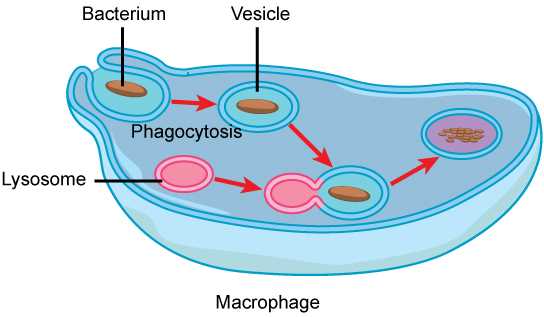
The nucleus controls the functions of the cell by storing genetic information. It coordinates activities like growth and reproduction through the DNA it holds, directing the cell’s operations. Understanding its role is vital when studying cellular processes.
Mitochondria serve as the powerhouse, producing ATP through cellular respiration. Their efficiency in energy production is fundamental for the cell’s functioning. Knowing how mitochondria generate energy allows for a deeper understanding of metabolic processes.
The endoplasmic reticulum (ER) is a key player in protein synthesis. The rough ER, covered in ribosomes, is where proteins are assembled, while the smooth ER helps with lipid production. Both types of ER contribute to cellular communication and transport.
The Golgi apparatus packages and modifies proteins and lipids for transport. It ensures that molecules are correctly processed and directed to their final destinations, supporting the efficiency of cellular systems.
Ribosomes, either free-floating or attached to the ER, are responsible for synthesizing proteins by translating mRNA into polypeptide chains. Their role is fundamental to cell function as proteins are required for nearly every process in the cell.
Lysosomes contain enzymes that break down waste materials and cellular debris. They also digest substances brought into the cell, making them critical for maintaining cellular cleanliness and health.
The plasma membrane regulates what enters and exits the cell, providing structure and facilitating communication with other cells. It is selectively permeable, allowing only certain substances to pass through, thus maintaining internal balance.
The cytoskeleton offers support and shape to the cell, enabling it to maintain its structure and facilitating intracellular transport. It also plays a role in cell movement and division, making it a dynamic framework that is essential to the cell’s function.
Organelles and Structures in Eukaryotic Cells
The nucleus is the command center, holding the genetic material in the form of DNA. It dictates the cell’s activities by controlling gene expression and managing cell division processes.
The mitochondria are responsible for energy production. They convert nutrients into ATP through cellular respiration, providing the necessary energy for all cellular functions. Their role is central to metabolism and maintaining cell activity.
The endoplasmic reticulum (ER) is divided into two types: rough and smooth. The rough ER, with ribosomes attached to its surface, is involved in protein synthesis, while the smooth ER participates in lipid production and detoxification processes.
The Golgi apparatus modifies, sorts, and packages proteins and lipids for transport. It acts as a distribution center, ensuring that molecules are correctly processed and sent to their respective locations within or outside the cell.
Ribosomes, found either free in the cytoplasm or attached to the rough ER, are the sites where proteins are synthesized by translating messenger RNA into amino acid chains, a key function for the cell’s structure and function.
Lysosomes contain enzymes that digest cellular waste and foreign materials. These organelles help break down substances that the cell no longer needs, preventing build-up and maintaining cell cleanliness.
The plasma membrane controls the movement of substances into and out of the cell. Its selective permeability ensures that only necessary molecules can enter or exit, while maintaining the internal environment of the cell.
The cytoskeleton provides structural support, giving shape to the cell and allowing it to maintain its integrity. It also plays a role in cell movement and the transport of materials within the cell.
| Organelle | Function |
|---|---|
| Nucleus | Contains genetic material, controls cell activities |
| Mitochondria | Energy production through cellular respiration |
| Endoplasmic Reticulum (ER) | Protein and lipid synthesis, detoxification |
| Golgi Apparatus | Modifies, sorts, and packages proteins and lipids |
| Ribosomes | Synthesize proteins by translating mRNA |
| Lysosomes | Break down waste and foreign materials |
| Plasma Membrane | Regulates entry and exit of substances |
| Cytoskeleton | Provides structural support and facilitates movement |
Structure and Function of the Nucleus in Eukaryotic Cells
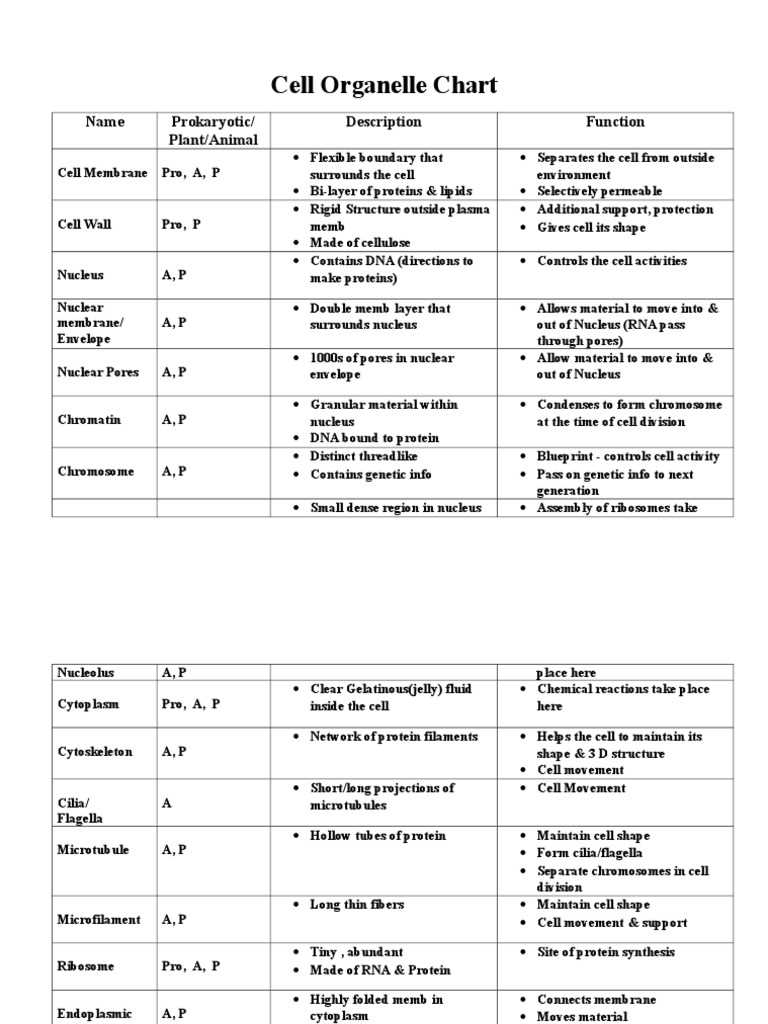
The nucleus is a membrane-bound organelle that serves as the control center of the cell. It houses the genetic material, DNA, which carries the instructions for the cell’s structure, functions, and replication.
The nuclear envelope consists of two lipid bilayers, each with distinct functions. The outer membrane is continuous with the rough endoplasmic reticulum, while the inner membrane is lined with the nuclear lamina, providing structural support and anchoring chromatin.
The nuclear pores are openings in the envelope that regulate the exchange of materials, such as RNA and proteins, between the nucleus and the cytoplasm. These pores ensure that only properly processed molecules enter or exit the nucleus.
Inside the nucleus, the nucleolus plays a crucial role in the production of ribosomal RNA (rRNA) and the assembly of ribosome subunits. These subunits are essential for protein synthesis throughout the cell.
The chromatin within the nucleus is a complex of DNA and proteins. During cell division, chromatin condenses into distinct chromosomes, allowing for accurate genetic material distribution to daughter cells.
Overall, the nucleus governs the cell’s genetic and biochemical functions, controlling everything from cell division to the synthesis of proteins necessary for cell survival and operation.
For more detailed information, you can visit the National Institute of General Medical Sciences: https://www.nigms.nih.gov.
Role of Mitochondria in Cellular Energy Production
Mitochondria are responsible for producing the majority of a cell’s energy through the process of oxidative phosphorylation. This occurs in the inner membrane of the mitochondrion, where ATP (adenosine triphosphate) is synthesized, the primary energy carrier in cells.
The process begins with the breakdown of glucose in the cytoplasm through glycolysis, producing pyruvate. Pyruvate then enters the mitochondrion, where it is further broken down in the citric acid cycle (Krebs cycle), generating high-energy electron carriers like NADH and FADH2.
These electron carriers donate electrons to the electron transport chain, a series of protein complexes embedded in the inner mitochondrial membrane. As electrons move through the chain, energy is released and used to pump protons across the membrane, creating an electrochemical gradient.
The gradient drives the ATP synthase enzyme, which converts ADP (adenosine diphosphate) and inorganic phosphate into ATP. This process, called chemiosmosis, is how most ATP is produced within the mitochondrion.
In addition to energy production, mitochondria are involved in other key functions such as regulating cell metabolism, mediating apoptosis (programmed cell death), and maintaining cellular calcium levels.
How the Endoplasmic Reticulum Contributes to Protein Synthesis
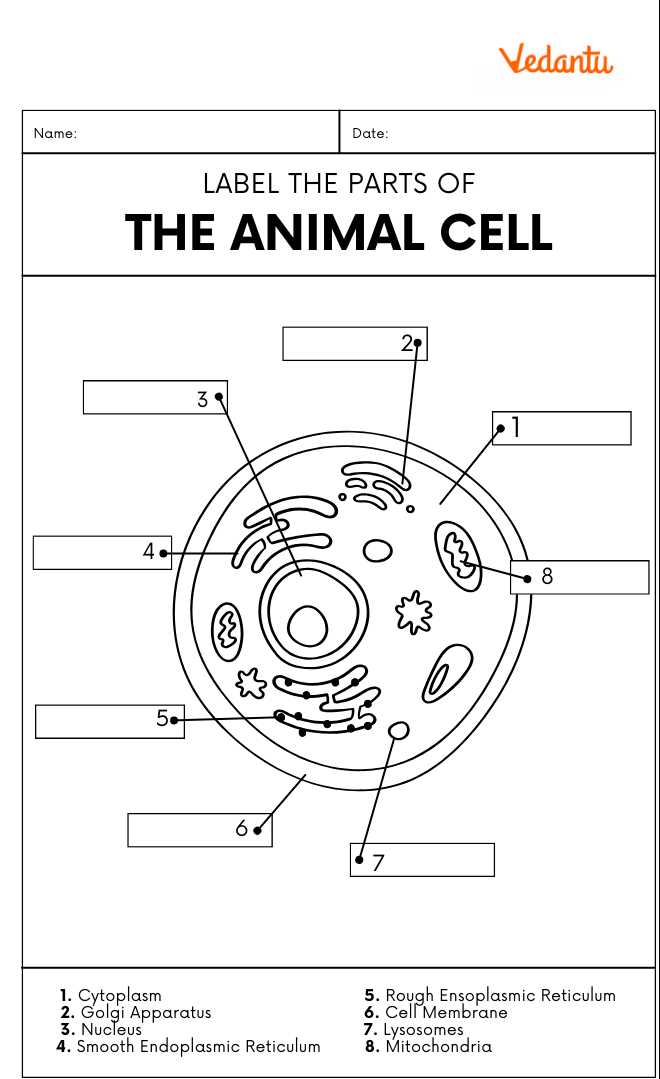
The endoplasmic reticulum (ER) plays a crucial role in protein synthesis, especially through its rough form, which is studded with ribosomes. These ribosomes are the sites where amino acids are assembled into proteins based on the instructions encoded in messenger RNA (mRNA).
During protein synthesis, the process begins when mRNA is transcribed from DNA in the nucleus. The mRNA then travels to the rough ER, where ribosomes translate the genetic code into a specific sequence of amino acids, forming a polypeptide chain.
Once the polypeptide is synthesized, it enters the lumen of the rough ER, where it begins to fold into its functional three-dimensional shape. This folding process is assisted by chaperone proteins within the ER.
After proper folding, the protein may undergo additional modifications such as glycosylation (the addition of sugar groups) in the ER, which is important for its stability and function.
The completed protein is then transported to the Golgi apparatus via vesicles, where it will be further processed and sent to its final destination, either within the cell or outside of it.
Golgi Apparatus: Processing and Packaging of Proteins
The Golgi apparatus is responsible for modifying, sorting, and packaging proteins for secretion or delivery to specific locations within the organism. Proteins, initially synthesized in the rough endoplasmic reticulum (ER), are transported to the Golgi in vesicles.
Upon arrival at the Golgi, proteins are further processed. This includes the addition of carbohydrate groups (glycosylation) and sometimes the cleavage of certain peptide sequences to create the final functional product.
Proteins are then sorted based on their destinations. Some are packaged into vesicles that transport them to the plasma membrane for exocytosis, while others are sent to lysosomes or other organelles within the cell.
The Golgi also plays a key role in the formation of lysosomes, which are essential for breaking down waste and cellular debris. Through its critical function in post-translational modifications and sorting, the Golgi ensures proteins reach their appropriate cellular or extracellular locations.
The Function of Ribosomes in Protein Synthesis
Ribosomes play a crucial role in the synthesis of proteins by translating messenger RNA (mRNA) into a specific amino acid sequence. This process occurs in two key stages: translation initiation and elongation.
Ribosomes can be found either floating freely in the cytoplasm or attached to the rough endoplasmic reticulum. Despite their location, their function remains the same: they read the mRNA sequence and assemble amino acids into proteins based on this genetic information.
The translation process begins when the ribosome binds to the mRNA. The ribosome then moves along the mRNA, reading the codons, which are sets of three nucleotides that correspond to specific amino acids.
As the ribosome moves along the mRNA, transfer RNA (tRNA) molecules bring the appropriate amino acids. The ribosome links these amino acids together in the correct order, forming a polypeptide chain, which will later fold into a functional protein.
This process is essential for maintaining cellular functions, as proteins are necessary for virtually every activity within the cell, from structural support to enzymatic reactions and signaling pathways.
How Lysosomes Help in Cellular Waste Management
Lysosomes contain hydrolytic enzymes that break down waste materials and cellular debris. They act as the cell’s “clean-up crew,” digesting unwanted substances like damaged organelles, foreign invaders, and other waste products.
These vesicles are surrounded by a membrane that prevents the enzymes from damaging the cell’s other components. When waste is engulfed by the lysosome, the enzymes break down the material into smaller, manageable molecules that can be recycled or expelled from the cell.
One key function of lysosomes is autophagy, the process where old or malfunctioning organelles are degraded and their components reused. This helps maintain cellular health by ensuring that only functional, efficient organelles are in operation.
Lysosomes also play a role in programmed cell death (apoptosis) by releasing enzymes that help in the breakdown of the cell during the natural life cycle. This process ensures that damaged cells do not proliferate or cause harm to the organism.
Through these activities, lysosomes help maintain cellular integrity, regulate the removal of toxic materials, and support the recycling of cellular components to ensure the efficient functioning of the cell.
Structure and Function of the Plasma Membrane in Cell Interaction
The plasma membrane is composed of a phospholipid bilayer with embedded proteins, glycoproteins, and cholesterol. This structure is key to maintaining the integrity and functionality of the cell, allowing it to interact with its environment in a controlled manner.
The phospholipid bilayer forms a semi-permeable barrier, preventing the free passage of ions and molecules, while allowing selective transport through embedded proteins. These proteins serve various roles, including receptors for signaling molecules, transport channels, and structural anchors.
One of the primary functions of the plasma membrane is cell communication. It contains receptors that bind to external signaling molecules, triggering intracellular responses that regulate processes like growth, metabolism, and immune responses. This ability to detect and respond to signals is critical for coordinating cellular activities and ensuring the organism’s overall function.
Additionally, the plasma membrane plays a significant role in cell adhesion. It contains adhesion molecules like cadherins and integrins, which facilitate the attachment of cells to one another or to extracellular matrices. This interaction is vital for the formation of tissues, and it also aids in maintaining tissue structure and function.
By enabling both communication and adhesion, the plasma membrane ensures that cells can interact with each other and their surroundings in an organized and efficient manner, contributing to the overall coordination of biological processes.
The Role of Cytoskeleton in Maintaining Cell Shape
The cytoskeleton provides structural support, helping to maintain the shape and integrity of the cell. Composed of microfilaments, intermediate filaments, and microtubules, it forms a dynamic framework that adjusts to the cell’s needs.
Microfilaments, composed of actin, are responsible for the cell’s flexibility and movement. They form a dense network beneath the plasma membrane, helping to maintain the cell’s shape and enabling processes like cell division and intracellular transport.
Intermediate filaments offer mechanical strength, allowing the cell to resist deformation under stress. These filaments are particularly important in cells that undergo high physical stress, such as muscle cells or epithelial cells.
Microtubules, the largest components of the cytoskeleton, function as tracks for the transport of organelles and vesicles. They also play a crucial role in cell division by forming the mitotic spindle, ensuring that chromosomes are accurately segregated between daughter cells.
The cytoskeleton’s ability to reorganize its components also allows cells to change shape as needed, enabling processes such as migration, tissue formation, and adaptation to different environmental conditions.