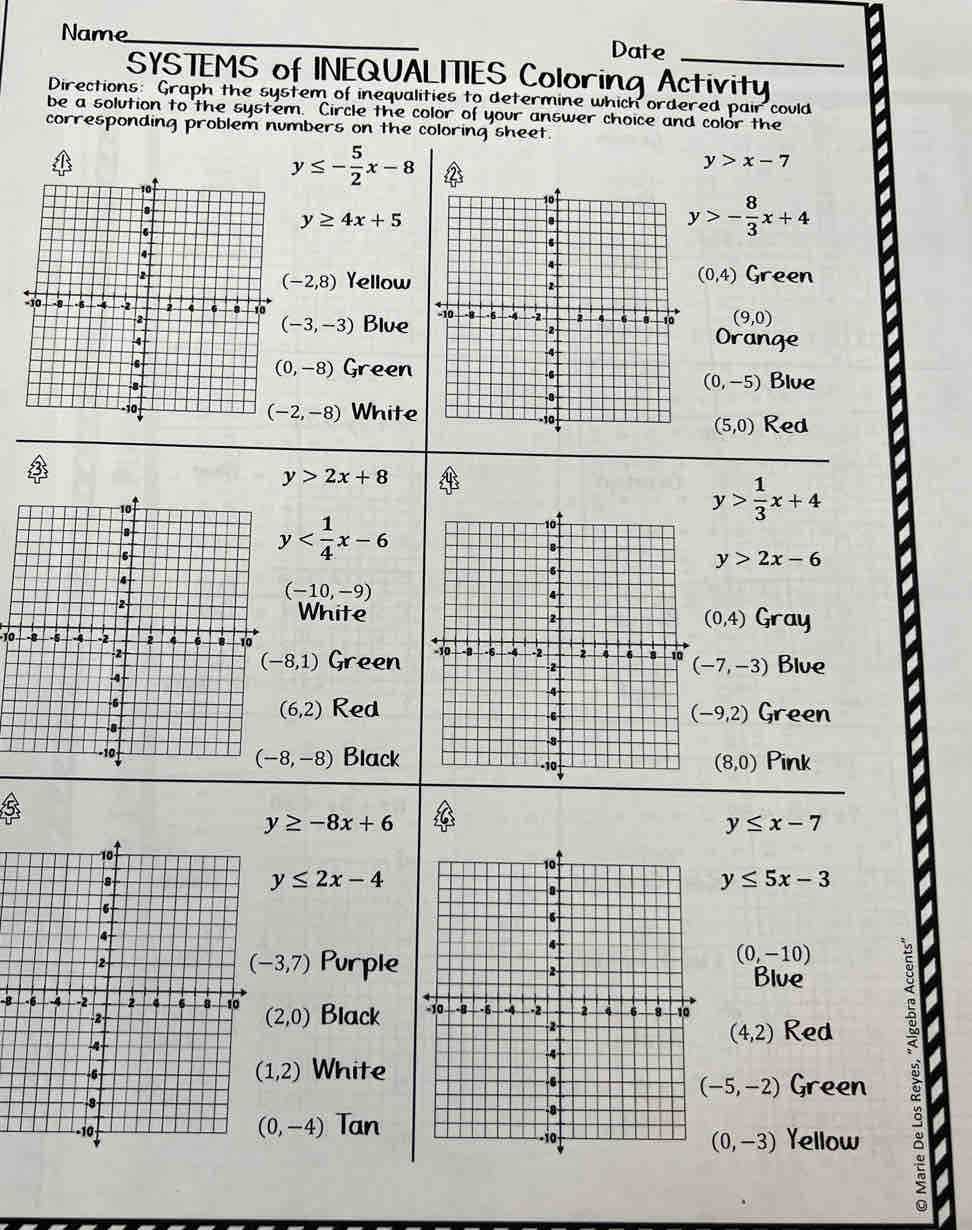
Graphing Systems of Linear Inequalities Solutions for Lesson 12 2
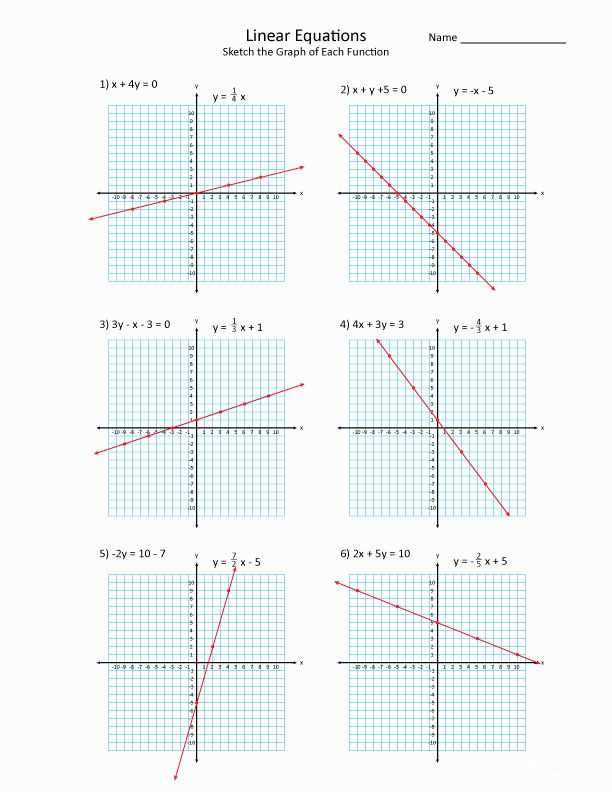
To tackle problems involving multiple inequalities, start by identifying the boundary lines for each inequality. These lines represent the limits where the inequality changes from true to false. Draw them carefully on the coordinate plane, using solid lines for “greater than or equal to” or “less than or equal to” inequalities, and dashed lines for “greater than” or “less than” inequalities.
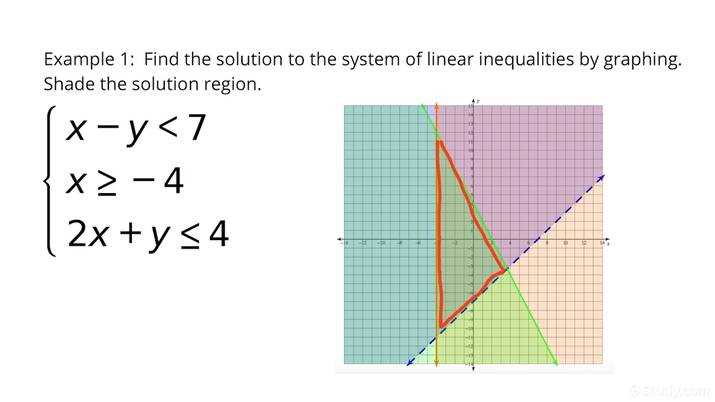
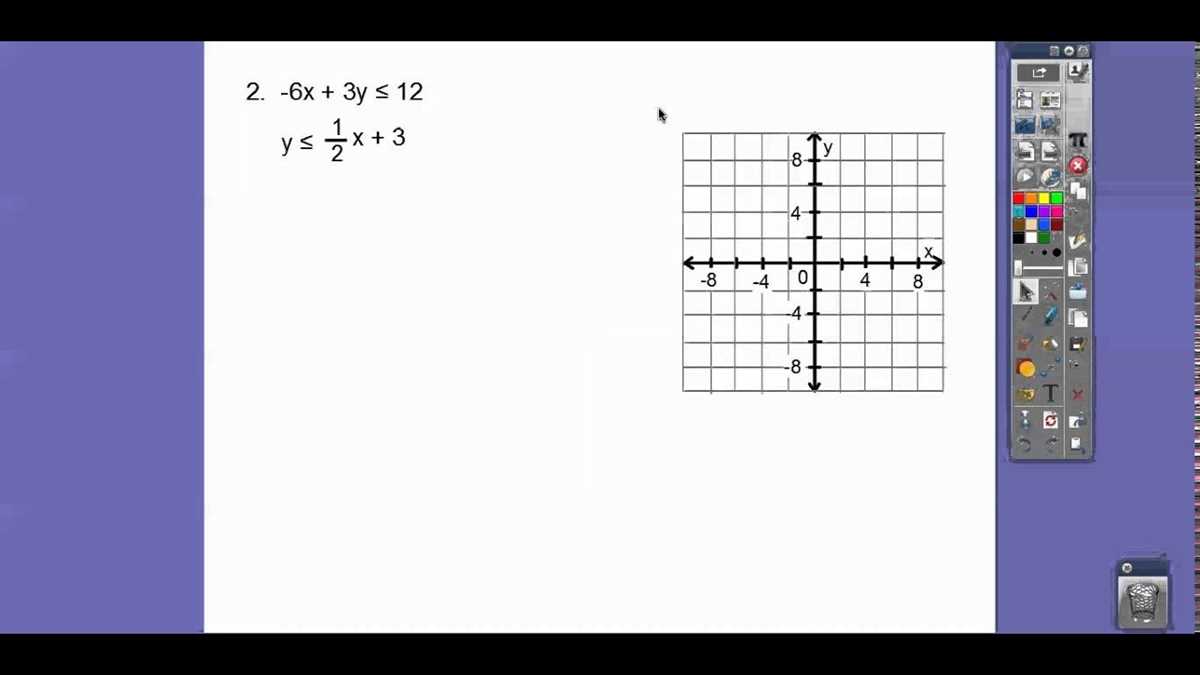
Next, determine which side of the line satisfies the inequality. You can test a point that is not on the line, like (0,0), to see if it satisfies the inequality. If it does, shade the region that contains this point. If not, shade the opposite side of the line. This process ensures that you correctly visualize the solution space for each inequality.
Tip: When working with multiple inequalities, remember to look for the overlapping shaded regions. The solution to the entire system will be the area where all conditions are met simultaneously.