Study Guide for Section 14.5 Ecological Succession with Solutions
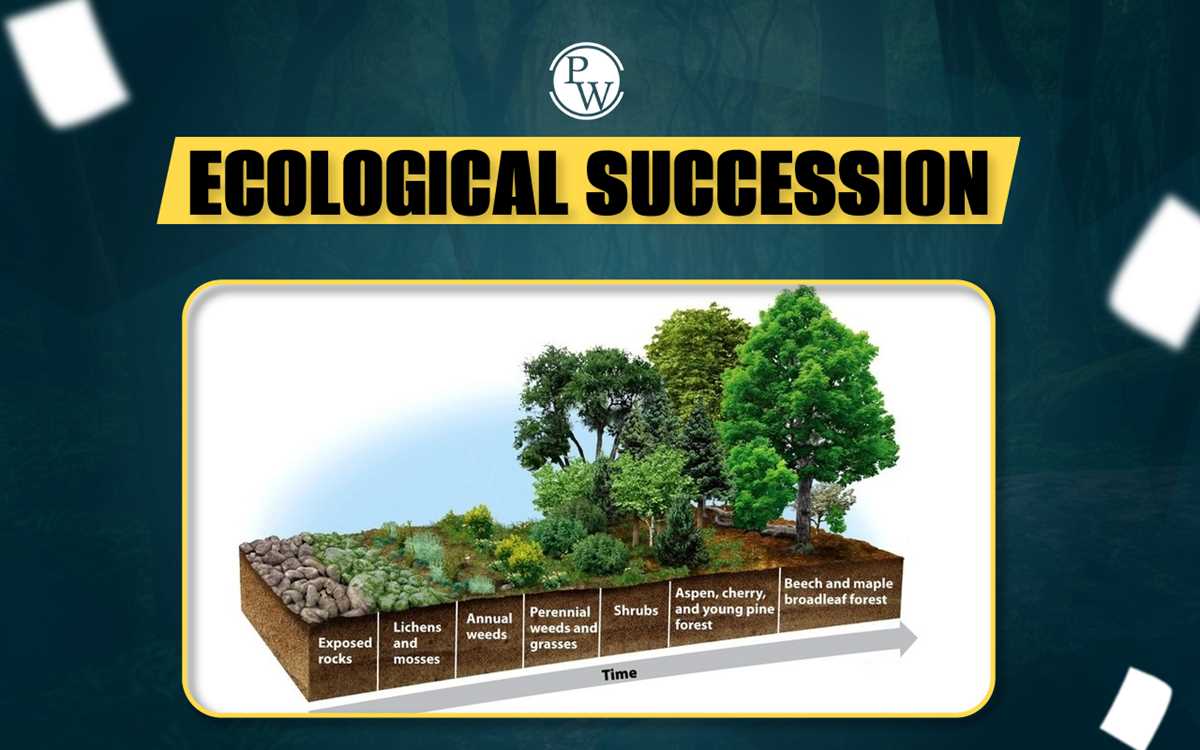
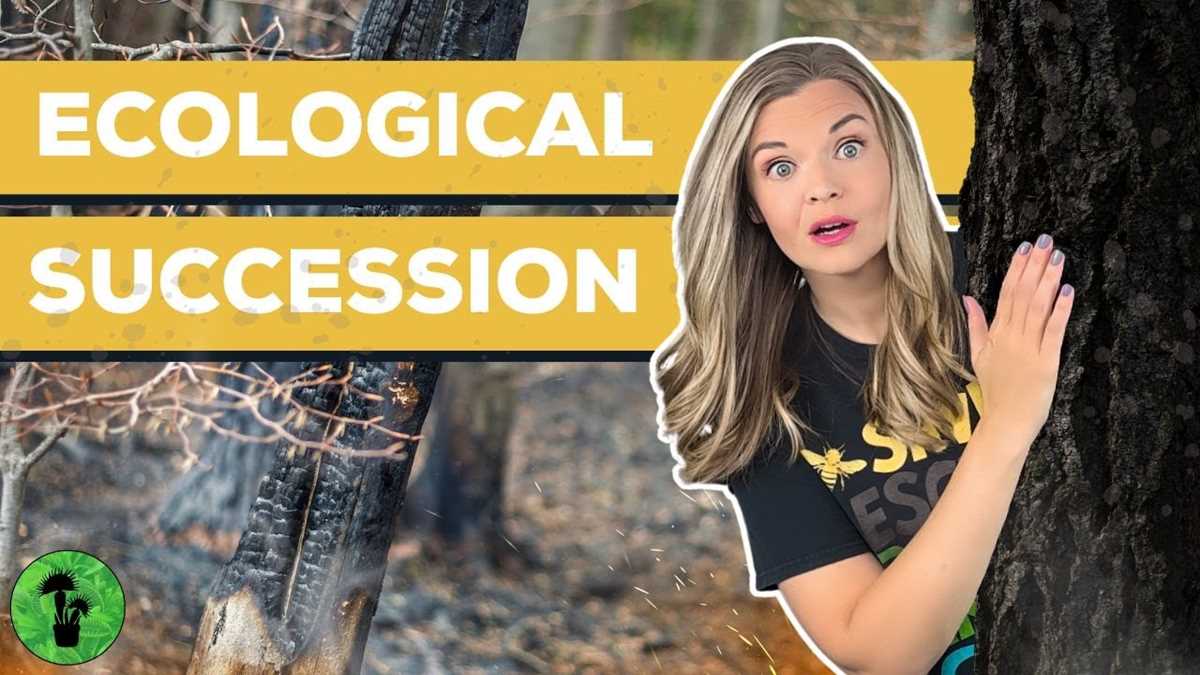
Begin by identifying the types of environmental changes that lead to new communities forming in a given area. Focus on the difference between primary and secondary processes: primary succession occurs in regions where no soil exists, such as after volcanic eruptions or glacial retreats, while secondary succession happens in areas where soil remains but the community is disturbed, like after forest fires or farming abandonment.
Next, examine the key players involved in each stage. In primary stages, pioneer species such as lichens or mosses are crucial as they are the first organisms to establish in barren conditions. Over time, these organisms break down rock into soil, allowing more complex plant species to move in. In secondary stages, the existing soil supports faster regrowth, with grasses and shrubs establishing themselves before larger trees take root.
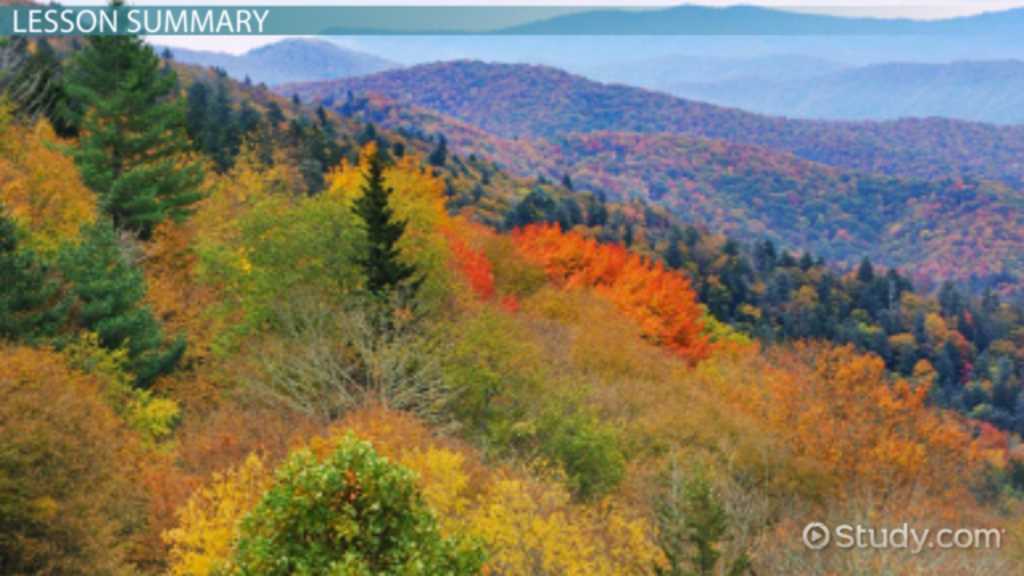
To predict the final stage of any ecosystem’s recovery, consider the climax community–the stable, mature grouping of species that is most suited to the environment. Different environments may reach different climax communities, but understanding the general process allows you to anticipate the transformations that ecosystems undergo over time.