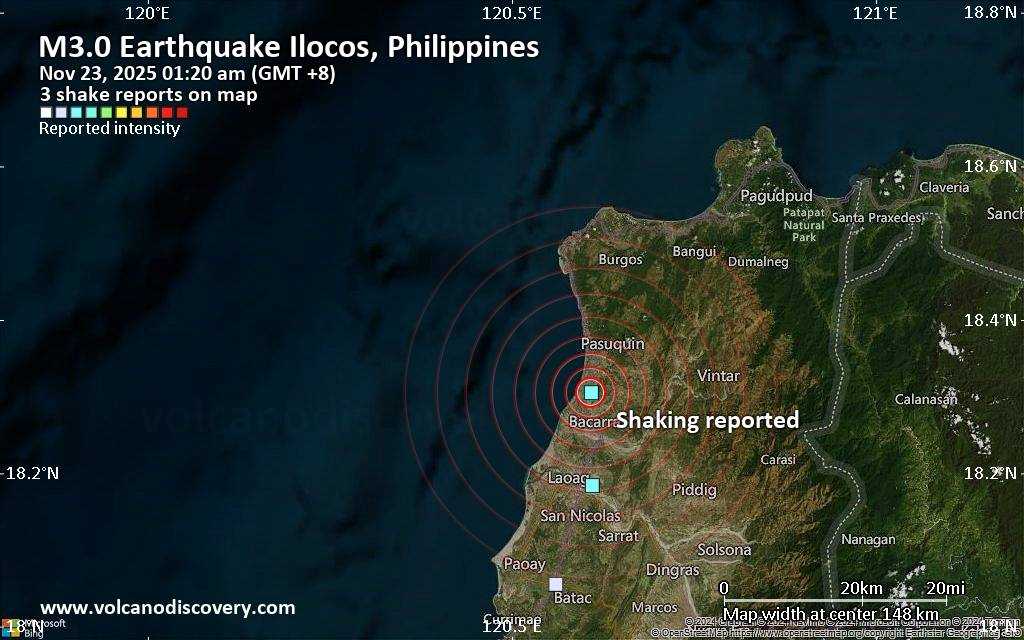
Chapter 18 Section 18.2 Volcanic Eruptions Study Guide Solutions
Understand the types of volcanic events: The most common eruptions are explosive and effusive. Explosive eruptions release ash, gas, and pyroclastic flows, while effusive eruptions result in lava flows that spread across large areas. Knowing the differences between these events helps in assessing their impact on the environment and nearby populations.
Study key volcanic features: Focus on the formation of calderas, lava plateaus, and volcanic islands. A caldera forms when a volcano collapses after an explosive eruption, creating a large crater. Lava plateaus are formed when thin, runny lava spreads across a wide area. Volcanic islands like those in the Pacific Ocean are created by repeated eruptions building up layers of lava over time.
Examine eruption effects: Volcanic activity can lead to both short-term and long-term changes. In the short term, eruptions disrupt local weather, cause destruction, and affect air travel. In the long term, volcanic ash enriches the soil, making it fertile for agriculture. Understanding these effects is crucial for assessing risks and planning for future events.