Key Mechanisms Increasing Genetic Variation in AP Biology 034
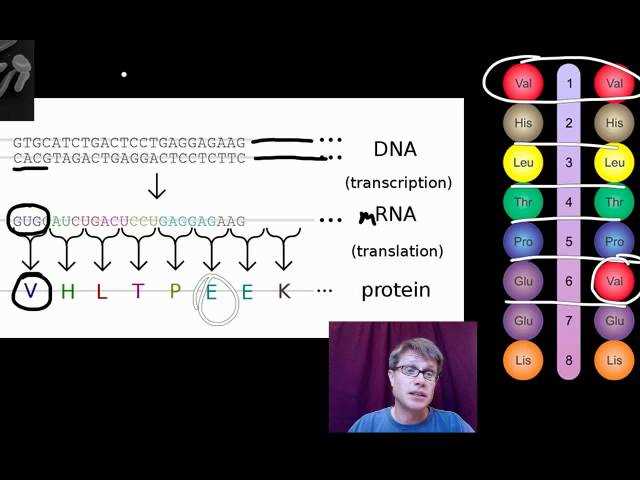
Mutation is the most direct source of new alleles. Spontaneous changes in the DNA sequence create novel traits that can be passed on to offspring, potentially altering population dynamics. While most mutations are neutral or harmful, some provide an adaptive advantage that increases survival rates in changing environments.
Sexual reproduction plays a pivotal role in promoting diversity. During meiosis, independent assortment and crossing over shuffle the alleles inherited from each parent. This generates numerous unique combinations of genes in offspring, contributing significantly to the variability within a population.
Gene flow, or migration, introduces new alleles from different populations. When individuals from distinct groups interbreed, they bring in genetic material that was previously absent, increasing diversity. The movement of organisms between populations is particularly important for maintaining genetic health and reducing inbreeding.
Genetic drift can also alter allele frequencies, particularly in small populations. Random fluctuations in allele frequencies can lead to significant changes over generations, sometimes reducing genetic diversity. However, it is important to note that drift often has a more pronounced effect in isolated or smaller groups.

Each of these factors contributes to the genetic makeup of populations, influencing their ability to adapt to environmental pressures and ensuring the continuation of biodiversity over time.