Biology Corner Cystic Fibrosis Case Study Solution and Analysis
Begin by thoroughly examining the genetic mechanisms behind the disorder. Focus on how mutations in the CFTR gene lead to dysfunction in chloride ion transport, which causes thick mucus buildup in various organs. Understand the genetic inheritance pattern and its implications for family members.
Next, review the common symptoms observed in patients. These typically include chronic respiratory infections, digestive problems, and poor growth. It’s important to correlate these symptoms with the underlying genetic defect to identify how each organ system is affected.
As you work through the provided solution, make sure to align your understanding of the disease’s progression with the clinical data provided in the problem. Take note of the biochemical processes involved, particularly the malfunctioning of protein channels in the lungs and pancreas.
Additionally, use the solution guide to evaluate management strategies. Consider both pharmacological treatments, such as enzyme replacements, and non-pharmacological approaches like physiotherapy. Apply these methods to specific cases to determine their effectiveness in different stages of the condition.
Solution to the Cystic Fibrosis Genetic Disorder Problem
To solve this problem, focus on understanding the basic genetic mutation that causes the disorder. The primary issue is a defect in the CFTR gene, which results in the malfunctioning of chloride channels. This disrupts the transport of salt and water across cell membranes, leading to thick, sticky mucus that affects multiple organs, particularly the lungs and pancreas.
Next, consider the inheritance pattern of this condition. It follows an autosomal recessive pattern, meaning that both parents must pass on the defective gene for their child to develop the disease. This is important for understanding the risk of inheritance in families.
Look at the clinical symptoms presented by patients. These often include chronic respiratory infections, difficulty breathing, and digestive issues like malabsorption of nutrients. In some cases, individuals may also have fertility problems due to blocked ducts. These symptoms arise from the thick mucus obstructing various organ systems, primarily the lungs and digestive tract.
Review the available treatments and management strategies. These typically include enzyme replacements to assist digestion, therapies to clear mucus from the lungs, and antibiotics to treat infections. New treatments, such as gene therapy or CFTR modulators, aim to correct the underlying genetic defect, but they may not be suitable for all patients.
In this particular exercise, apply your understanding of these concepts to the data presented in the question. By correlating the genetic basis of the disorder with the clinical outcomes and treatment options, you will be able to derive a comprehensive solution to the problem.
Understanding Cystic Fibrosis and Its Genetic Basis
Cystic fibrosis is caused by a mutation in the CFTR gene located on chromosome 7. This gene is responsible for encoding the CFTR protein, which regulates the movement of chloride ions across cell membranes. When this gene is mutated, the resulting protein does not function properly, leading to thick, sticky mucus buildup in the lungs, digestive system, and other organs.
The condition is inherited in an autosomal recessive pattern. This means that an individual must inherit two copies of the defective gene–one from each parent–in order to develop the disease. If only one defective gene is inherited, the individual is a carrier and may pass the gene to their children without exhibiting symptoms themselves.
There are over 2,000 known mutations in the CFTR gene, but the most common one is the delta F508 mutation. This specific mutation accounts for about 70% of cystic fibrosis cases worldwide. Understanding these mutations is key to genetic testing and potential gene therapy treatments.
Symptoms of cystic fibrosis include chronic lung infections, difficulty breathing, and malabsorption of nutrients due to pancreatic insufficiency. Patients may also experience infertility, particularly in males, due to the blockage of reproductive ducts.
Treatment focuses on managing symptoms and improving quality of life, but research into gene therapy and CFTR modulators aims to correct the genetic defects. These treatments are still under development and may not be suitable for all individuals.
For more detailed and up-to-date information, refer to the Cystic Fibrosis Foundation.
How Cystic Fibrosis Affects the Respiratory System
The defective CFTR protein in cystic fibrosis leads to abnormal ion transport across epithelial cells, particularly in the respiratory system. This causes the mucus lining the airways to become thick and sticky, impairing the normal function of the lungs.
As the mucus builds up, it obstructs the small airways in the lungs, making it difficult to clear bacteria and debris. This creates an environment prone to chronic infections. The repeated infections cause inflammation and damage to the lung tissue over time, leading to progressive lung damage and respiratory failure.
In addition to mucus buildup, the thickened secretions affect the cilia (tiny hair-like structures that move mucus and trapped particles out of the lungs). This results in decreased ability to clear mucus, leading to chronic cough, wheezing, and shortness of breath.
Patients often experience frequent respiratory infections, including pneumonia and bronchitis. Over time, this damages the lung tissues, leading to pulmonary complications such as bronchiectasis, where the airways become permanently widened and scarred.
Management of respiratory issues in cystic fibrosis includes regular airway clearance techniques, inhaled medications to thin mucus, and antibiotics to treat infections. In severe cases, lung transplantation may be necessary to improve survival and quality of life.
Exploring the Role of CFTR Gene in Cystic Fibrosis
The CFTR gene codes for the cystic fibrosis transmembrane conductance regulator, a protein that controls the flow of chloride ions across epithelial cell membranes. This protein plays a critical role in maintaining the balance of salt and water in the body, particularly in the lungs, pancreas, and other mucous-producing organs.
In individuals with cystic fibrosis, mutations in the CFTR gene lead to a malfunctioning protein. These mutations prevent the proper transport of chloride ions, resulting in thick, sticky mucus that obstructs airways and organs. As a result, the body’s ability to clear infections and maintain fluid balance is compromised, leading to chronic respiratory and digestive issues.
Over 2,000 mutations in the CFTR gene have been identified, with the most common mutation being the deletion of three nucleotides, known as ΔF508. This mutation leads to a misfolded protein that is not properly transported to the cell membrane, severely disrupting chloride ion transport.
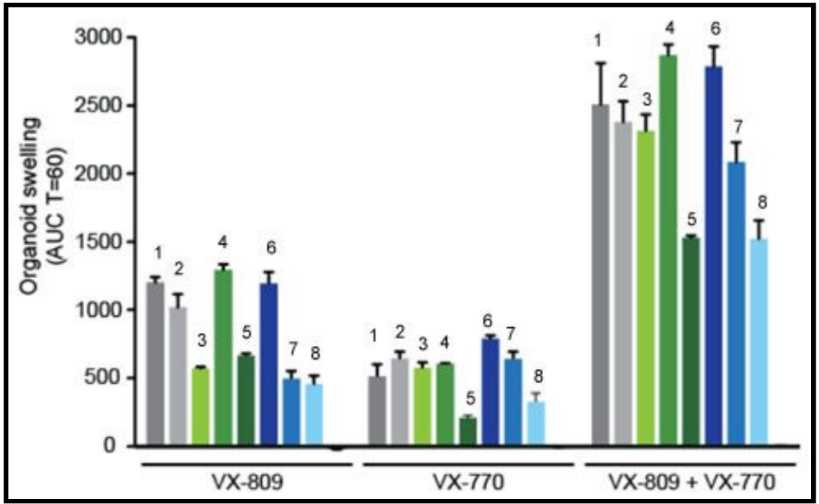
Understanding the role of the CFTR gene has led to advancements in targeted therapies. For example, drugs like Ivacaftor and Lumacaftor aim to correct specific mutations in the CFTR gene, improving the function of the protein and alleviating symptoms. These therapies have shown promise in improving lung function and overall quality of life for individuals with certain CFTR mutations.
Gene therapy and other genetic-based treatments are also being explored as potential solutions for correcting CFTR mutations. These approaches aim to introduce a functional copy of the CFTR gene into affected cells, offering a more permanent solution to the genetic defect.
Common Symptoms and Diagnosis of Cystic Fibrosis
Individuals with this genetic condition often exhibit a range of symptoms, primarily affecting the respiratory and digestive systems. Key signs include:
- Chronic cough with thick mucus production, often leading to difficulty breathing and frequent lung infections.
- Wheezing and shortness of breath due to blocked airways.
- Salty-tasting skin, noticeable when kissing or touching the affected individual.
- Frequent lung infections, including pneumonia and bronchitis.
- Digestive problems, such as malabsorption, which may result in poor growth, weight loss, and vitamin deficiencies.
- Fatty stools that are difficult to pass and may be accompanied by a bloated feeling.
- Delayed growth and physical development due to nutrient deficiencies and energy loss.
Diagnosis typically involves a combination of clinical evaluations and specialized tests:
- Newborn screening, which includes a blood test to check for elevated levels of immunoreactive trypsinogen (IRT), a marker of the condition.
- Sweat chloride test, the gold standard for diagnosis, measures the concentration of chloride in sweat. High levels of chloride indicate the presence of the disorder.
- Genetic testing to identify mutations in the CFTR gene, confirming the diagnosis.
- Pulmonary function tests to assess the impact on lung function and airway clearance.
Early diagnosis allows for more effective management of symptoms, leading to improved quality of life and longevity. Regular monitoring and treatment adjustments are essential for managing the condition’s impact over time.
Treatments and Management Strategies for Cystic Fibrosis
Management of this genetic disorder requires a multi-faceted approach, addressing both respiratory and digestive symptoms. The following strategies are commonly used:
- Airway clearance techniques, such as chest physiotherapy or the use of vibrating vests, to help loosen and clear thick mucus from the lungs.
- Inhaled medications, including bronchodilators and mucolytics, to help open airways and thin mucus, making it easier to cough up.
- Antibiotics to treat or prevent lung infections caused by bacteria, which are common in individuals with this condition.
- Corticosteroids to reduce inflammation in the airways and improve lung function.
- Pancreatic enzyme replacement therapy (PERT) to assist with digestion and nutrient absorption, as the pancreas often does not secrete enough digestive enzymes.
- High-calorie diet to address malnutrition and support healthy growth, as individuals may struggle with weight gain and nutrient absorption.
- Lung transplantation may be considered for patients with severe lung damage or respiratory failure, providing a long-term solution to chronic respiratory failure.
Newer therapies aim to address the genetic cause directly. These treatments, known as CFTR modulators, help improve the function of the defective protein in the cells, leading to better lung function and a reduction in disease progression. Regular monitoring, including pulmonary function tests and imaging, is necessary to track the disease’s progression and adjust treatment plans accordingly.
Managing the condition requires collaboration among a team of healthcare providers, including pulmonologists, gastroenterologists, dietitians, and physical therapists, to create a personalized plan that addresses the individual’s unique needs.
Analyzing Case Study Questions on Cystic Fibrosis
When analyzing questions based on genetic disorders, focus on understanding the underlying mechanisms that affect physiological systems. Here are key aspects to consider when approaching case study questions related to this condition:
- Genetic inheritance patterns: Review how mutations in specific genes are passed down and the probability of an individual inheriting the disorder. Make sure to understand autosomal recessive inheritance and the role of both parents as carriers.
- Pathophysiology: Be clear on how the mutation in the CFTR gene affects chloride ion transport across cell membranes, leading to thick, sticky mucus accumulation in various organs, particularly the lungs and digestive system.
- Clinical manifestations: Pay attention to the specific symptoms described in the case, such as chronic cough, difficulty breathing, malnutrition, and the need for enzyme replacement therapy. Understanding the progression of the disorder helps in diagnosing its severity.
- Diagnostic tests: Familiarize yourself with common diagnostic tests, such as sweat chloride tests and genetic testing, and their role in confirming the diagnosis.
- Management strategies: Recognize the therapeutic approaches used to manage symptoms and complications, such as airway clearance techniques, enzyme replacement, and specialized nutrition. Understanding how treatments target specific systems (like the lungs or pancreas) is crucial.
- Prognosis and outcomes: Consider how the progression of the condition varies depending on the severity and response to treatment. Discuss long-term care and potential life expectancy based on early diagnosis and intervention.
By analyzing these elements, you can better address case study questions, providing more accurate responses based on the comprehensive understanding of how this genetic disorder impacts individuals at a physiological and clinical level.
How to Interpret Cystic Fibrosis Case Study Data
When interpreting data related to genetic disorders, focus on the following key steps:
- Review patient history: Pay attention to any genetic testing results, family history, and symptom progression. This helps identify patterns and assess the likelihood of genetic inheritance.
- Evaluate diagnostic test results: Focus on values from sweat chloride tests, which indicate abnormal chloride concentrations, or genetic test results that confirm mutations in the CFTR gene. These are critical for diagnosing the condition.
- Examine symptoms: Look at clinical symptoms such as respiratory issues, digestive problems, and failure to thrive. These signs often correlate with the severity of the disease and specific organ involvement.
- Consider treatment responses: Review how the patient responds to treatments such as enzyme supplements, airway clearance, or antibiotics. Improvement or deterioration in symptoms can help track disease progression and treatment efficacy.
- Analyze lung function data: Spirometry results, including forced vital capacity (FVC) and forced expiratory volume (FEV1), are important indicators of lung health and function. Lower scores often indicate more severe lung involvement.
- Look for patterns over time: Tracking changes in symptoms, diagnostic test results, and treatment responses over time provides insights into how the condition is evolving and how well it’s being managed.
By focusing on these key areas, you can accurately interpret the data and make informed decisions regarding diagnosis, management, and potential outcomes for the patient.
Applying the Solution Guide to Cystic Fibrosis Case Study
To effectively apply a solution guide to the genetic disorder scenario, follow these structured steps:
- Understand the genetic mutation: Begin by reviewing the specific mutations in the CFTR gene present in the case study. Identify the impact of these mutations on ion transport across cell membranes and how it leads to the buildup of thick mucus in various organs.
- Review diagnostic methods: Analyze the results from diagnostic tests such as sweat chloride tests, genetic screening, and pulmonary function tests. Understand how these tests help confirm the condition and assess its severity.
- Correlate symptoms with test results: Cross-reference the clinical symptoms presented (such as chronic cough, wheezing, and gastrointestinal issues) with the diagnostic data. This step will help identify the severity of the condition and prioritize treatment options.
- Examine treatment options: Use the solution guide to explore the recommended treatments for respiratory management (like airway clearance therapies and inhaled medications) and digestive support (such as enzyme replacements and nutritional strategies).
- Monitor disease progression: Utilize the guide to track how the disease may progress over time based on genetic factors and response to treatments. Consider regular assessments of lung function and overall health to adjust therapies.
- Evaluate patient outcomes: Apply the solution guide to predict possible outcomes based on the case study. Use patient data to determine the expected course of the disorder and adjust management strategies accordingly.
By following these practical steps, you can systematically apply the solution guide to interpret the case study, provide accurate diagnoses, and recommend appropriate treatment plans.