Understanding the Stages of the Cell Cycle with Solutions
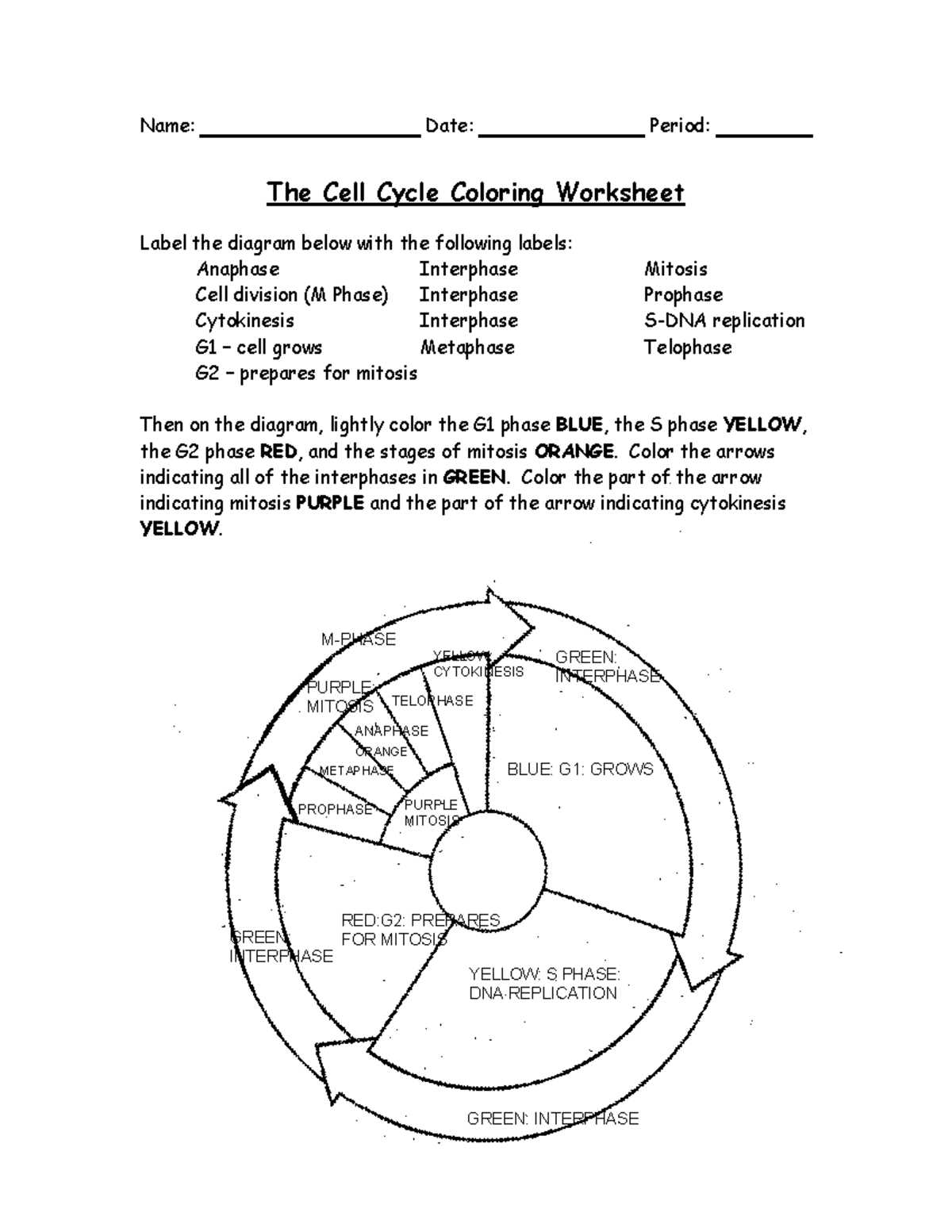
Understanding the stages of cellular division is critical for accurately interpreting biological processes. Focusing on the phases such as interphase, mitosis, and cytokinesis can help clarify the flow of events during cell reproduction. Each phase has distinct characteristics that dictate cell growth and division, with checkpoints ensuring the correct progression of each step.
To avoid confusion, it’s important to identify the specific transitions between phases and understand the factors that control them. For example, the G1 phase is responsible for cell growth, while the S phase involves DNA replication. Mitosis ensures the division of the nucleus into two equal parts, followed by cytokinesis, where the cytoplasm splits, completing the division process.
One of the most frequent challenges is distinguishing between the different stages of mitosis. It’s important to pay attention to the specific visual and functional markers, such as chromosome alignment during metaphase or the formation of two distinct nuclei in telophase. Proper recognition of these stages is critical for analyzing experimental data accurately and understanding cell behavior.
Cell Division Process Breakdown
To verify the correct sequence of cellular division, begin by identifying the stages involved. Start with the preparatory phase where the cell grows and prepares for DNA replication, followed by the phase where DNA synthesis occurs. This is followed by mitosis, during which the genetic material is divided into two distinct nuclei, and cytokinesis, where the cytoplasm divides, leading to two daughter cells.
Accurately distinguishing between stages like prophase, metaphase, anaphase, and telophase is key to understanding the process. During prophase, chromosomes become visible, and the nuclear envelope begins to break down. In metaphase, chromosomes align in the middle. Anaphase sees the chromatids separating, and telophase involves the reformation of the nuclear envelope around the separated chromosomes.
Be sure to take note of the checkpoints, especially during the G1 and G2 phases, where the cell ensures it is ready for DNA replication and division. These checkpoints are critical in preventing errors such as DNA damage or improper chromosome segregation. The accurate tracking of each phase is essential for understanding how cells maintain genetic integrity during division.
Understanding the Phases of the Cell Cycle
The first phase is the growth period known as G1, where the cell increases in size and synthesizes proteins necessary for DNA replication. This is followed by the S phase, during which DNA replication occurs, ensuring that the genetic material is doubled in preparation for division.
After DNA synthesis, the cell enters the G2 phase, where it continues to grow and prepares for mitosis. During this phase, the cell checks for DNA errors and ensures that all structures required for division are in place.
Once G2 is completed, the cell enters mitosis, the process where the nucleus divides into two genetically identical nuclei. Mitosis consists of four stages: prophase, metaphase, anaphase, and telophase. In prophase, chromosomes condense, while in metaphase, chromosomes align at the center. During anaphase, sister chromatids are pulled apart, and in telophase, the nuclear membrane reforms around each set of chromosomes.
Finally, cytokinesis occurs, splitting the cytoplasm and resulting in two distinct daughter cells. This division ensures that each daughter cell has a full set of genetic material and is ready to enter the next phase of growth.
Identifying Key Events During Interphase
Interphase is the period where the cell prepares for division. It consists of three stages: G1, S, and G2. Below are the key events that occur during each stage:
- G1 (Gap 1): The cell grows in size, synthesizes proteins, and produces RNA. This is the phase where the cell also carries out its regular functions.
- S (Synthesis): DNA replication occurs, doubling the genetic material. This ensures that the daughter cells will receive an exact copy of the genome.
- G2 (Gap 2): The cell continues to grow and prepares for mitosis. It checks the newly synthesized DNA for errors and ensures that the structures needed for cell division are in place.
Throughout interphase, the cell makes sure that all the necessary processes for successful division are completed. This includes maintaining proper function, doubling its genetic material, and preparing for the next steps in division.
Role of Mitosis in Cell Division
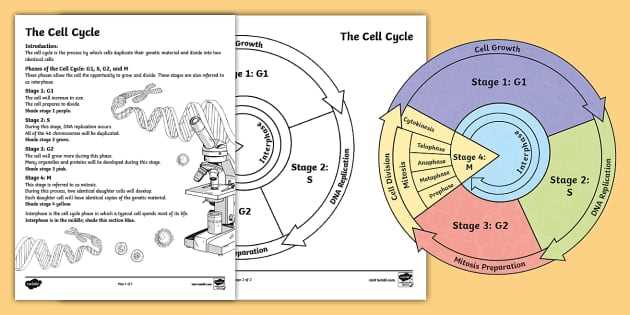
Mitosis is a fundamental process that allows for the accurate distribution of genetic material to two daughter cells. It ensures that each new cell receives an identical set of chromosomes, which is crucial for growth, repair, and asexual reproduction. Here are the key stages in mitosis:
- Prophase: Chromosomes condense and become visible, the nuclear membrane begins to break down, and spindle fibers start to form.
- Metaphase: Chromosomes align at the cell’s equator, ensuring proper attachment to the spindle fibers in preparation for separation.
- Anaphase: The sister chromatids are pulled apart toward opposite poles of the cell, ensuring that each daughter cell will have an identical set of chromosomes.
- Telophase: Chromatids reach the poles, and the nuclear membrane re-forms around the two sets of chromosomes, preparing the cell for division.
Mitosis is followed by cytokinesis, where the cell’s cytoplasm divides, resulting in two separate but genetically identical daughter cells. This process is key to maintaining genetic consistency across cells in multicellular organisms.
Comparing Cytokinesis in Plant and Animal Cells
Cytokinesis is the final step of cell division, involving the separation of the cytoplasm and the formation of two distinct daughter cells. However, the process varies significantly between plant and animal organisms due to differences in their cellular structure.
- In Animal Cells: Cytokinesis occurs through a process called cleavage. A contractile ring made of actin filaments forms at the center of the cell, pinching the membrane inward to separate the two daughter cells. This process is known as cleavage furrow formation.
- In Plant Cells: Cytokinesis involves the formation of a cell plate. Instead of pinching the cell membrane, vesicles containing cell wall materials fuse at the center of the cell, gradually forming a new cell wall between the daughter cells. This is due to the rigid nature of the plant cell wall, which prevents cleavage from occurring.
Both processes ensure the proper division of the cytoplasm, but the mechanism differs significantly due to the structural differences between plant and animal cells. Animal cells rely on a flexible membrane to separate, while plant cells utilize a rigid structure to build a new dividing wall.
How to Analyze the G1, S, and G2 Phases
The G1, S, and G2 phases are critical stages in the cell division process. Analyzing these stages involves understanding their specific functions and how they contribute to the overall process of cell replication.
G1 Phase (First Gap): During this phase, the cell grows in size and synthesizes proteins required for DNA replication. It is essential to check for signs of DNA damage, as this phase serves as a checkpoint before proceeding to the next stage. Key markers to analyze include cyclins and cyclin-dependent kinases (CDKs), which regulate the transition to the S phase.
S Phase (Synthesis): In this phase, DNA is replicated. To analyze this stage, focus on the amount of DNA content and the replication efficiency. One method of analysis involves measuring DNA content using flow cytometry. This phase is marked by an increase in DNA synthesis markers, such as the incorporation of nucleotides labeled with fluorescent dyes.
G2 Phase (Second Gap): The cell continues to grow and prepares for mitosis by synthesizing proteins required for cell division. The G2 phase is often analyzed by checking for DNA damage and ensuring that DNA replication is complete. Cells in G2 undergo checkpoint control to verify that no errors have occurred during DNA replication. Markers like the mitotic cyclins and phosphatases are used for this analysis.
By analyzing the specific molecular and morphological changes during these phases, researchers can ensure the proper progression of the cell division process and identify any disruptions or errors that may affect cell function.
For more detailed insights into these phases, consult trusted sources such as NCBI.
Recognizing Checkpoints and Their Functions
Checkpoints act as critical control mechanisms to ensure the proper progression of the cell division process. These molecular surveillance points assess the integrity of cellular components before allowing advancement to the next stage.
G1 Checkpoint: This is the first checkpoint, where the cell assesses its size, nutritional status, and DNA integrity. If the DNA is damaged or the cell is too small, progression to the next phase is halted. Key proteins like retinoblastoma (Rb) and p53 regulate this checkpoint by detecting DNA damage and halting cell cycle progression until repairs are made.
S Checkpoint: During DNA replication, the cell checks for any replication errors or DNA damage. This checkpoint ensures that the DNA is accurately replicated before the cell moves forward. If problems are detected, repair mechanisms are activated, and the cycle is delayed to prevent the transmission of mutations to daughter cells.
G2 Checkpoint: Before entering mitosis, the cell verifies that DNA replication is complete and correct. This checkpoint ensures that the replicated DNA is intact and without errors. Proteins like cyclin B and CDK1 are involved in this checkpoint, regulating the transition to mitosis only when the DNA is ready for division.
Metaphase Checkpoint: This checkpoint ensures that chromosomes are properly aligned along the metaphase plate before the cell proceeds to anaphase. This is crucial for maintaining genomic stability. If chromosomes are misaligned, the checkpoint activates repair processes, preventing incorrect chromosomal segregation.
Recognizing these checkpoints allows researchers to identify potential disruptions in the division process, providing insight into conditions like cancer, where checkpoints are often bypassed due to mutations in regulatory genes.
Common Mistakes in Cell Cycle Stages Identification
Incorrect identification of stages can lead to misunderstandings in understanding the division process. Here are common mistakes to avoid:
- Confusing G1 with G0: G1 is a phase where the cell grows and prepares for DNA replication. In contrast, G0 is a resting phase where the cell exits the active cycle and no longer divides. Mixing these stages can cause confusion in cell cycle analysis.
- Skipping S phase in replication: The S phase is critical for DNA replication, but it can sometimes be overlooked when distinguishing between phases. Failing to properly identify this stage could lead to misinterpretations of replication progress.
- Misidentifying Metaphase and Anaphase: Both metaphase and anaphase involve chromosomal movement, but in metaphase, chromosomes are aligned at the cell’s equator, while in anaphase, they are separated into two sets. It’s important to recognize these distinct actions to accurately track the division process.
- Overlooking Cytokinesis: Cytokinesis is often considered a separate process from mitosis but is crucial for completing cell division. Not accounting for this phase can result in an incomplete understanding of cell division.
- Misunderstanding the role of checkpoints: Checkpoints ensure that cells are ready to progress through the stages. Mistaking checkpoint arrest for a stage transition can confuse the understanding of regulatory mechanisms in the division process.
Paying close attention to the specific characteristics of each phase, along with their functions and progression, is key to correctly identifying each stage of the division process.
Practical Applications of Understanding the Cell Cycle
Understanding the process of cell division is crucial for advancing numerous scientific and medical fields. Here are some practical applications:
- Cancer Treatment: Knowledge of the stages involved in replication and division is critical in developing therapies targeting rapidly dividing cells. Drugs that interfere with specific stages can halt the growth of cancerous cells.
- Regenerative Medicine: Manipulating cellular growth and division is fundamental in stem cell research. Understanding how to control this process helps in regenerating tissues and organs, as well as in healing injuries.
- Genetic Engineering: In biotechnology, understanding how cells replicate DNA is key to editing genomes, whether it’s for gene therapy or modifying organisms for agricultural purposes.
- Aging Research: As cells divide over time, they accumulate mutations. By studying the regulation of cell division, researchers can explore how aging affects tissue regeneration and how it can be slowed.
- Drug Development: Many pharmaceutical advancements rely on disrupting specific phases of cell division, either to inhibit growth in diseases like cancer or to stimulate growth in cases of injury.
By grasping the mechanisms behind cellular division, these applications continue to drive forward innovations in medicine, genetics, and therapeutics.