Guide to Analyzing Primary Sources in DBQ Assignments
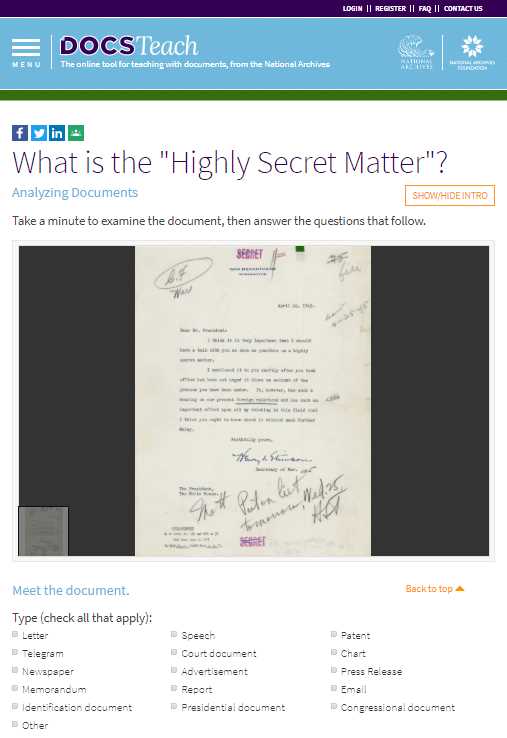
To succeed in analyzing historical texts, focus on recognizing the argument presented and identifying the context behind each document. First, carefully read each piece and note key dates, events, or figures mentioned, as these will shape the content and influence the perspective provided.
Next, check for biases within the document. Every historical record is created with some form of intention, whether it’s to persuade, inform, or justify a specific viewpoint. Understanding the purpose of the document will help you assess its reliability and place it correctly within the larger historical framework.
When using a solution guide, refer to the breakdown of key points to compare how your analysis aligns with established interpretations. Look for how others have connected the text to broader themes and historical trends. Use these insights to refine your own responses and improve the accuracy of your conclusions.
Document Analysis Solution Guide for Historical Studies
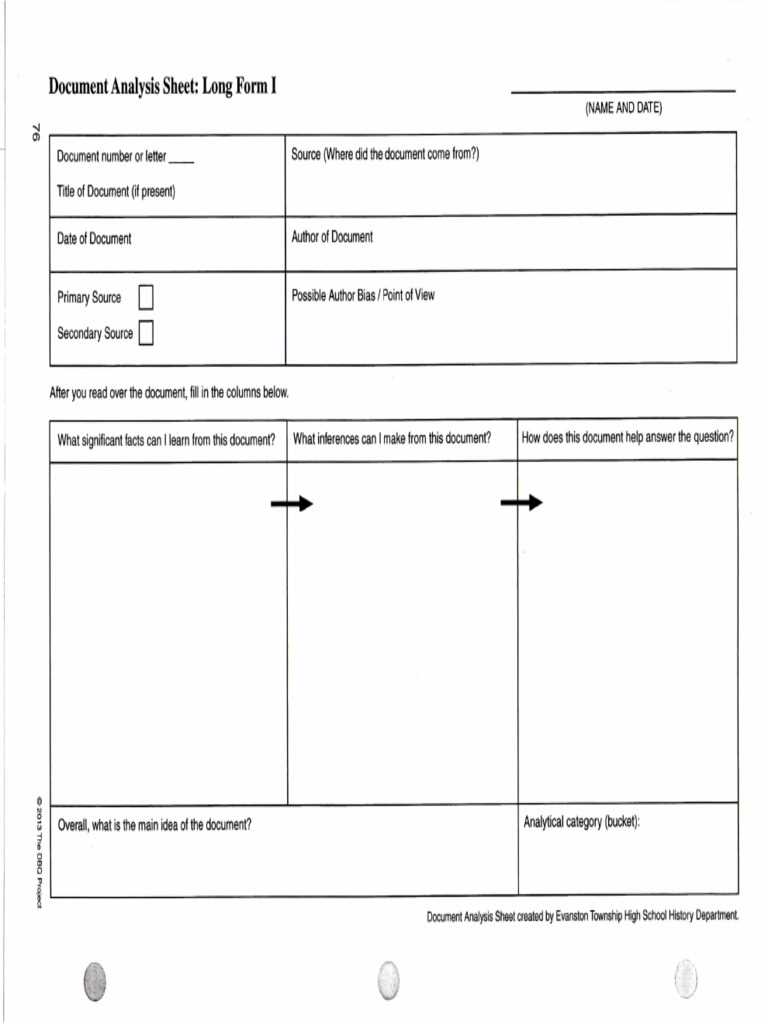
When reviewing historical documents, focus on identifying the main argument or claim and cross-reference it with the context of the time. Consider the background of the author and the intended audience. For instance, official government records might present a different viewpoint than personal letters or speeches, which are often more subjective.
Check for any explicit or implicit biases. This helps in determining the perspective of the document, whether it supports or challenges the prevailing historical narratives. Pay attention to any language that might reflect this bias–words with strong emotional connotations or one-sided claims can indicate a skewed interpretation of events.
Once you have identified the key arguments, examine how they fit into the broader historical context. Does the document support or contradict well-established historical facts? How does it correlate with other sources from the same period? For a deeper understanding, consider using additional resources such as The National Archives for more examples and related documents.
Using a solution guide, compare your own interpretation with the provided analysis. Take note of how historical documents are tied together to form a comprehensive understanding of the topic. This will allow you to refine your own arguments and improve the quality of your analysis.
How to Analyze Historical Documents in Written Responses
Begin by identifying the document’s creator and their purpose. Look for key details such as the author’s background, position, and audience. This provides context that is essential to understanding any potential biases or limitations in the content.
Examine the content for any key arguments, claims, or themes. Focus on how the creator expresses their ideas and what specific evidence they use to support their position. Make sure to differentiate between factual statements and interpretations or opinions that may be influenced by the author’s perspective.
Next, consider the document’s historical context. What events were happening at the time the document was created? How might these events have influenced the author’s views or choices of language? Use outside knowledge of the period to inform your analysis and deepen your understanding of the document’s significance.
After analyzing the document itself, compare it with other relevant materials from the same period. Identify similarities and differences in the way different creators discuss the same issues. This helps build a broader view of the topic and test the reliability of the document in question.
Finally, reflect on how the document contributes to answering the broader question or argument you’re addressing. Does it support or contradict other evidence? How does it fit into the larger narrative or discussion on the topic? Being able to connect the document to a wider historical framework is key to effective analysis.
Identifying Key Themes and Arguments in Historical Documents
Focus on identifying the central ideas within each text. Start by highlighting the main points and repeated concepts. This helps in recognizing the overarching themes that shape the document’s perspective on a particular issue.
Look for any direct statements that provide insight into the author’s viewpoint. These can often be found in the introduction or conclusion, where the writer may explicitly state their argument or purpose. Be aware of tone and language, as these often reveal the underlying assumptions or biases present in the material.
- Identify recurring terms or concepts, as these indicate the most emphasized themes. For example, terms related to power, economy, or social structures often point to broader societal themes.
- Pay attention to contrasting viewpoints or references to different groups or ideologies. These may indicate key debates or conflicts central to the source’s argument.
- Analyze any evidence or examples used to support the main argument. These can provide clarity on the reasoning behind the author’s stance.
Next, consider the context surrounding the document. Understanding the time period, geographic location, and the author’s background can provide deeper insights into why certain themes are emphasized. Historical events and societal norms of the era may also influence the perspective presented.
Finally, assess how the document aligns with or challenges existing historical interpretations. This comparison can highlight new or overlooked perspectives that add nuance to the understanding of the period or topic discussed.
Evaluating the Reliability of Historical Documents
Assess the credibility of each document by considering the author’s background, purpose, and the intended audience. Identifying who created the material and why can reveal potential biases or motivations that may affect its trustworthiness.
Examine the consistency of the information within the document itself and compare it with other available records. A document that contradicts widely accepted facts or other well-supported accounts should be scrutinized more carefully.
- Check for the presence of supporting evidence or references. A reliable document often provides data, quotes, or examples that back its claims.
- Consider the date of creation. Materials produced during or shortly after an event are more likely to reflect immediate perspectives, but they might also be influenced by the context of the time.
Analyze the document’s tone and language. A document filled with emotional appeals or inflammatory language may be trying to persuade rather than inform. Look for objective, balanced language that presents a more reliable account.
| Factor | Questions to Consider |
|---|---|
| Author’s Perspective | Who wrote it? What is their position, and what might influence their view? |
| Purpose | Was the material created to inform, persuade, or entertain? |
| Audience | Who was the intended audience, and how might that shape the content? |
| Corroboration | Does the information align with other reliable accounts of the same event? |
| Context | What historical, political, or cultural factors might influence the document? |
Finally, consider any external pressures that might have shaped the document’s content. Political or economic influences at the time of creation can alter the accuracy and perspective of the material.
How to Integrate Contextual Knowledge with Historical Documents
Place the document within its historical, political, and social context. Understanding the period during which it was created can clarify the author’s motivations and potential biases. For example, a letter written during a time of political unrest might reflect an emotionally charged perspective shaped by the immediate circumstances.
- Research the key events, figures, and movements of the time. This knowledge helps identify why certain issues were highlighted and what influenced the author’s views.
- Consider the economic and social climate. A document from an industrializing society may emphasize technological progress or labor issues, reflecting broader societal shifts.
- Analyze the geographical location. The context of where a document was produced can reveal regional influences, whether in terms of culture, economy, or conflict.
Cross-reference the content with other documents from the same period. Comparing different materials helps place each within the broader historical narrative and ensures a more balanced interpretation of events.
Incorporate knowledge of historical trends to assess the broader implications of the document. For instance, understanding the rise of nationalism in the 19th century might help explain why a text expresses strong nationalistic sentiments.
Finally, consider the intended audience of the document. This helps clarify what the author wanted to convey and what information or ideas were deemed most relevant or persuasive for that audience.
Common Mistakes to Avoid in Historical Document Analysis
Avoid assuming the document reflects absolute truth. All documents have inherent biases. Consider the author’s background, agenda, and perspective when evaluating the material. Never take a document at face value without considering these factors.
Don’t neglect the historical context. Failing to understand the time, place, and social or political environment of the document can lead to misinterpretation. Make sure you are aware of key events or trends that might have influenced the content.
Resist the urge to read modern values into the past. Historical documents reflect the beliefs and norms of their time. Avoid judging actions or ideas by current standards. This can distort your interpretation and overlook the historical reality.
- Don’t rely on just one document. A single account may not provide the full picture. Always compare it with other documents from the same time period to avoid a skewed or incomplete understanding.
- Don’t ignore the intended audience. Understanding who the document was meant for can shed light on its tone, purpose, and content. Was it for a broad public audience or a specific group with particular interests?
- Avoid taking statements out of context. Extracting quotes or phrases without the surrounding text can misrepresent the author’s meaning. Always read and interpret the full document.
Don’t overlook contradictions within the text. If a document presents conflicting ideas or evidence, investigate the reasons behind these inconsistencies. Sometimes, contradictions can reveal important insights about the author’s perspective or the document’s purpose.
How to Use Evidence from Historical Documents to Support Your Argument
Quote directly from the document to provide concrete support. Select relevant passages that clearly illustrate your point. Use these quotes to back up claims and show how the material aligns with your argument. Always introduce the quote with context so the reader understands its significance.
Analyze the evidence. Don’t just insert a quote–explain its relevance. Discuss how the information from the document connects to the point you are making. This demonstrates your understanding of the material and its application to your argument.
- Identify key themes. Pull out recurring concepts or ideas that support your thesis. If the document highlights a particular issue multiple times, it strengthens your argument when you focus on that element.
- Provide historical context. Explain how the document reflects the historical moment it was produced in. This context can help frame the evidence and show why it is relevant to the topic.
- Corroborate with other materials. Strengthen your argument by referencing additional documents that support the same idea. This comparison can lend credibility and depth to your position.
Use the tone and language to reinforce your point. Pay attention to how the author expresses ideas–whether through strong language, emotional appeals, or factual presentation. Highlighting the tone can reveal how the author’s perspective aligns with your argument.
Strategies for Writing Clear and Concise Responses
Begin with a clear thesis statement. Your introduction should outline the main argument or point you will make. Make sure it directly answers the prompt and sets the direction for your response.
Stay focused on the question. Throughout your response, ensure every paragraph relates to the prompt. Avoid straying into unrelated details or overly broad discussions. Stay specific to the topic at hand.
- Use evidence effectively. Select the most relevant pieces of evidence and explain their connection to your argument. Don’t overload your response with unnecessary information; aim for quality over quantity.
- Organize logically. Each paragraph should focus on one specific point. Start with a topic sentence that clearly states the point, then follow with supporting evidence and analysis.
- Be concise. Avoid long-winded explanations. Make each sentence count. Cut any unnecessary words or phrases that don’t add to your argument.
Make connections. Link the evidence back to your main argument. After presenting a piece of evidence, explain how it supports your thesis and why it’s significant to the topic.
Conclude effectively. Summarize your argument without simply repeating what you’ve said. Reinforce how the evidence you’ve used proves your point and answers the prompt.
Reviewing Your Response with the Solution Guide
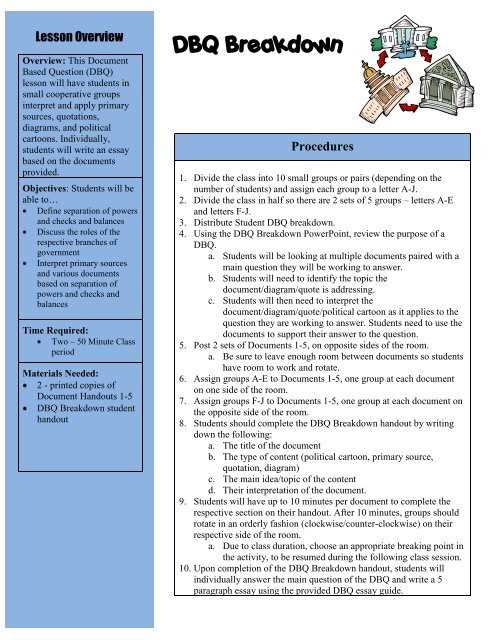
First, compare your thesis to the solution guide. Ensure your argument aligns with the main idea presented in the guide. If your position differs, refine your thesis to make it clearer or more focused on the prompt.
- Check the use of evidence. Verify that the examples you used match the types of evidence recommended in the guide. Ensure you’ve connected each piece directly to your argument.
- Review your analysis. After each piece of evidence, does your explanation tie it back to the thesis? The solution guide will show how to effectively link your points together. Ensure your analysis follows this structure.
- Ensure organization is clear. Your response should follow a logical flow. Compare the organization of your paragraphs with the recommended structure in the guide, and make adjustments if necessary.
Evaluate your conclusion. It should reinforce your thesis without repeating the entire response. The solution guide will suggest how to wrap up your argument succinctly–ensure you follow this advice for a strong ending.
Look for any gaps in your reasoning. The solution guide might highlight common mistakes or missing elements in the analysis. Check if there are any counterarguments or additional details you should have included to strengthen your response.
Check grammar and clarity. Make sure your response is well-written and free of errors. Clear, precise language is essential to effectively communicate your argument.