Answer Key for Lesson 5 Understanding Solids and Their Properties
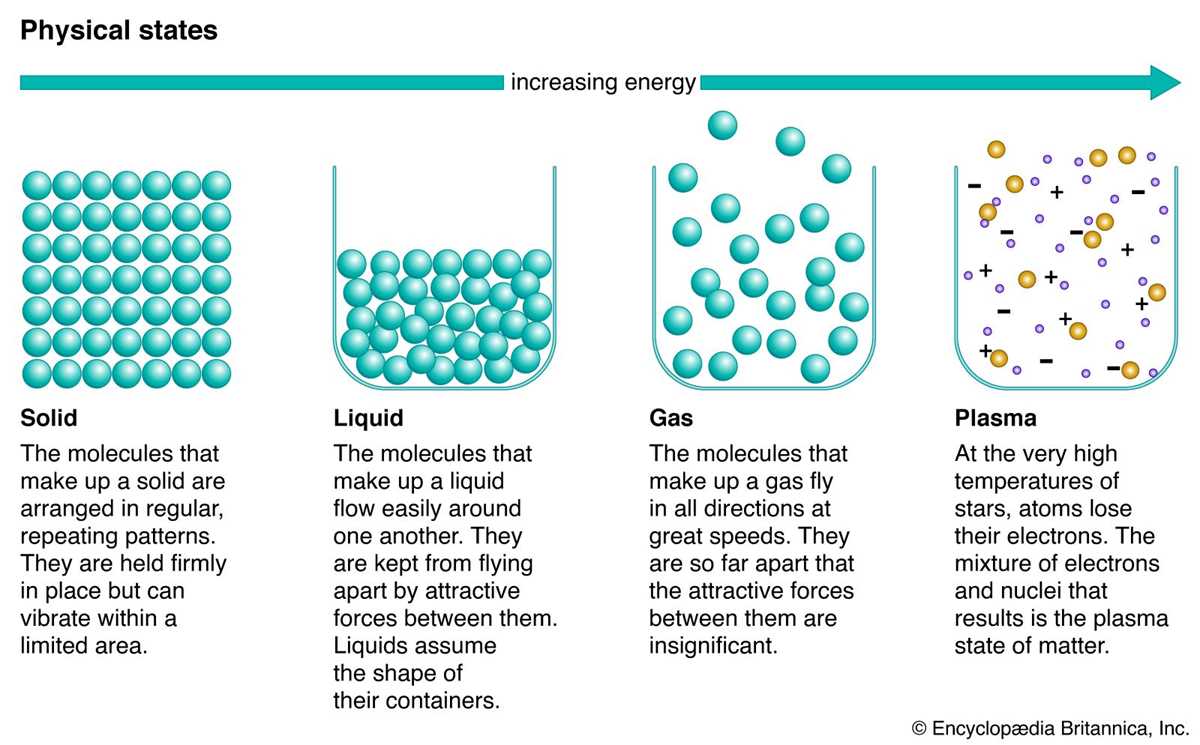
Solids maintain a fixed shape and volume, unlike liquids or gases. Their particles are closely packed together, usually in a regular pattern, which gives them a stable structure. These particles vibrate but do not move freely, resulting in a rigid form. This close arrangement contributes to their high density compared to other states of matter.
One of the key features of solids is their ability to resist compression. Due to the tightly packed particles, it’s difficult to change the volume of a solid, unlike gases. As a result, they hold their shape under external forces, whether it’s a solid block of metal or a piece of wood.
Heat also affects the structure of solids. When a solid is heated, its particles gain energy and begin to vibrate more vigorously. At a certain temperature, known as the melting point, the solid will transition into a liquid. This process varies depending on the material; for example, ice melts at 0°C, while lead melts at 327°C.
Understanding these principles is important in numerous fields, from engineering to material science. The specific properties of solids, like their hardness, tensile strength, and thermal conductivity, determine their suitability for various applications. For instance, diamonds are used in cutting tools because of their hardness, while copper is used in electrical wiring due to its excellent conductivity.