Solutions for Atomic Structure and Patterns in Chemistry

To solve questions related to subatomic particles and their arrangements, first, identify the number of protons, neutrons, and electrons in the atom. This is crucial for understanding its behavior and chemical properties.
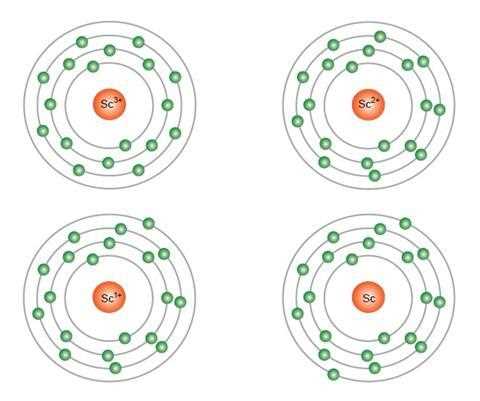
Electron Configuration: Begin by filling electron orbitals based on the principle that electrons occupy the lowest available energy levels. Use the Aufbau principle to place electrons in the correct orbitals, and remember that each orbital can hold a specific number of electrons.
Periodic Trends: Examine trends like atomic radius, ionization energy, and electronegativity. These trends are influenced by the arrangement of elements in the periodic table. For example, atomic size increases as you move down a group and decreases across a period from left to right.
Element Behavior: Understanding how elements interact with others can be predicted by knowing their electron configurations and positions in the table. For example, elements with a full outer shell are stable and less reactive, while those with incomplete shells are more likely to bond.