Understanding the Fundamentals of Economics with Solutions
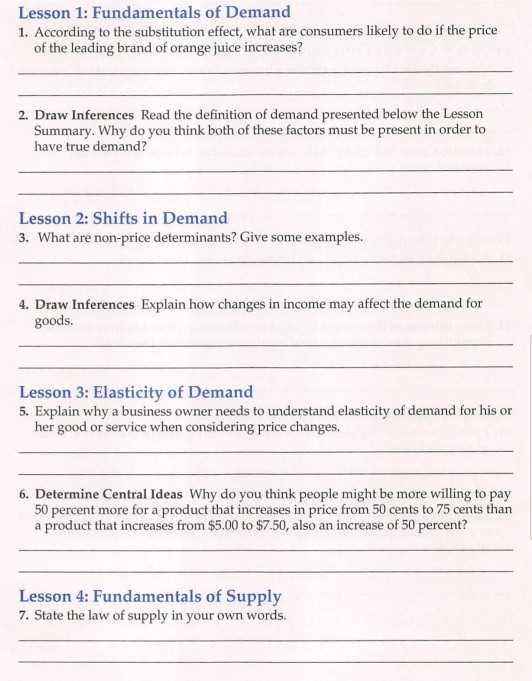
To master the concepts in this field, focus on recognizing how individuals, businesses, and governments make choices based on limited resources. Start by learning how scarcity affects supply and demand. Apply this understanding to real-world situations, such as budgeting and market dynamics.
Next, familiarize yourself with basic principles such as opportunity cost and the impact of incentives. These factors drive decision-making and influence the behavior of buyers and sellers. By practicing these principles through various exercises, you can develop a stronger grasp on economic systems.
To solidify your comprehension, try applying theoretical concepts to practical scenarios. Work through problems that involve resource allocation, price determination, and market efficiency. The more you practice with real-life examples, the better equipped you’ll be to analyze economic situations.
Key Concepts in Economic Theory
Start by understanding the concept of scarcity, which drives the basic economic problem: the allocation of limited resources to meet unlimited wants. Recognize how scarcity leads to choices and trade-offs, where individuals and organizations must prioritize their needs and desires.
Next, focus on supply and demand, which governs pricing in markets. Supply refers to how much of a good or service producers are willing to offer, while demand is the quantity consumers are ready to purchase at a given price. The intersection of supply and demand determines equilibrium price and quantity.
Learn the role of incentives in shaping behavior. People respond to rewards and punishments, influencing their choices. For example, higher prices may encourage producers to supply more goods, while lower prices may make consumers want to buy more.
Another critical area is opportunity cost, which represents the value of the next best alternative when making decisions. Always evaluate what is being forgone to choose one option over another, especially when resources are limited.
Consider the different types of economic systems: traditional, command, and market. Each system determines how resources are allocated and who makes decisions. A market economy relies on consumer choices and competition, while a command economy places decisions in the hands of a central authority.
Additionally, explore the concept of market failure, which occurs when the market does not allocate resources efficiently. This can lead to negative outcomes like pollution or the under-provision of public goods. Government intervention can sometimes correct these failures by regulating or redistributing resources.
Finally, apply your understanding of these concepts through problem-solving exercises. Use real-world examples to test how changes in supply, demand, and incentives impact pricing, production, and consumption. Practice will help you gain a deeper understanding of economic principles.
Understanding Scarcity and Resource Allocation
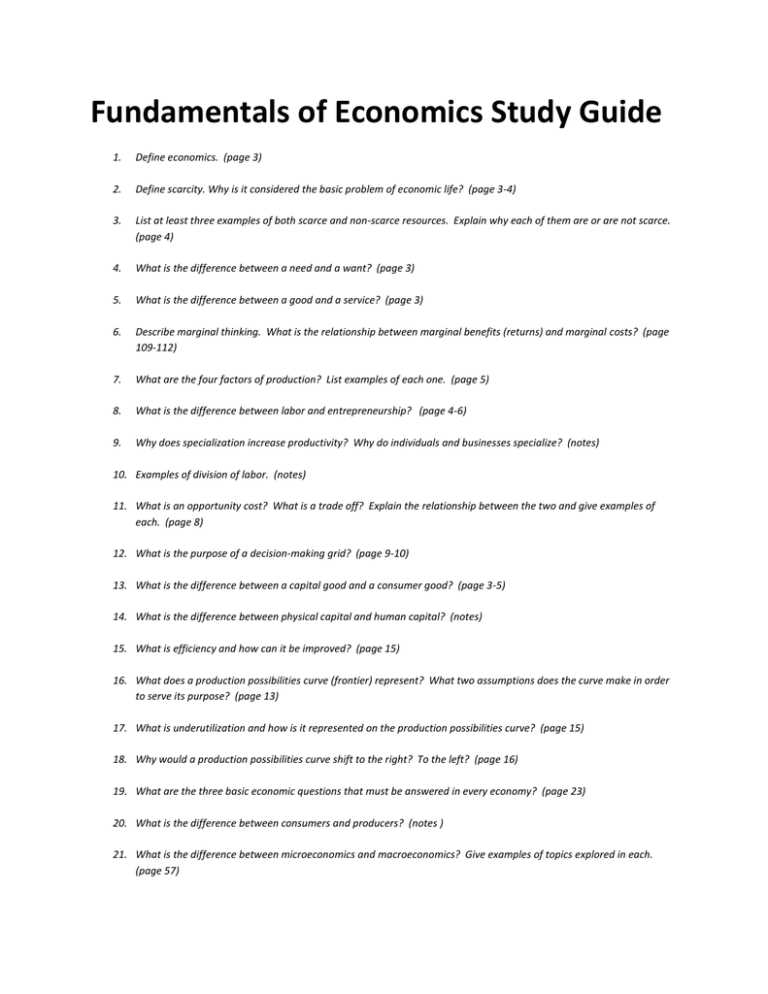
Scarcity occurs when the demand for resources exceeds the available supply. This fundamental issue forces individuals and organizations to make choices about how to allocate limited resources to meet various needs. It is central to understanding how any economic system functions.
To address scarcity, resources are allocated based on a variety of factors, including price, availability, and priority. The allocation process involves determining how to distribute limited resources in a way that maximizes utility or satisfaction. A key concept here is that no one has unlimited access to all resources, so trade-offs are inevitable.
One of the primary ways to allocate resources in a market economy is through price mechanisms. Prices are determined by supply and demand forces, and they signal to producers and consumers how much of a good or service is available and how much people are willing to pay for it. Higher prices typically incentivize more production, while lower prices signal consumers’ willingness to purchase more of a good.
Another method of allocation is through government intervention. In cases of market failure, such as in the provision of public goods or externalities like pollution, the government may step in to regulate or redistribute resources. Examples include welfare programs, subsidies, and environmental regulations that aim to ensure a more equitable distribution of resources.
Additionally, it’s important to consider the role of opportunity cost in the allocation process. Every decision involves trade-offs, meaning that choosing one option means forgoing another. The value of what is given up is the opportunity cost, and understanding this concept helps in making informed decisions about how to allocate scarce resources.
| Resource | Scarcity Issue | Allocation Method |
|---|---|---|
| Labor | Not enough workers for all tasks | Market wages and employment policies |
| Land | Limited usable land for housing and agriculture | Price signals, zoning laws |
| Capital | Insufficient funds for investment projects | Interest rates, private investment |
| Natural Resources | Finite supplies of water, energy, and raw materials | Government regulation, market pricing |
Understanding how scarcity and resource allocation work helps to make sense of economic decisions at both the individual and societal level. The goal is always to use available resources in the most efficient way possible, but this often involves making difficult choices and considering the opportunity costs involved.
How Supply and Demand Influence Market Equilibrium
Market equilibrium occurs when the quantity of a product supplied equals the quantity demanded at a particular price. This balance is the point where there is no pressure for price changes, and both buyers and sellers are satisfied with the market conditions.
Supply and demand curves are used to visualize the relationship between the price of a good and the quantity available or desired. When supply increases, the supply curve shifts to the right, typically lowering the price if demand remains constant. Conversely, when supply decreases, the curve shifts left, increasing prices. On the demand side, when consumer preferences or incomes increase, the demand curve shifts right, pushing prices up. A decrease in demand shifts the curve to the left, which usually leads to a drop in prices.
The interaction between supply and demand determines the equilibrium price, where the two curves intersect. If the price is above the equilibrium point, there will be a surplus because suppliers offer more than consumers are willing to buy at that price. If the price is below the equilibrium, a shortage occurs, as demand exceeds supply.
Market forces naturally push prices toward equilibrium. For example, if there is a surplus, suppliers may lower prices to reduce their excess stock, leading to increased demand. If there is a shortage, prices rise, prompting suppliers to produce more, which eventually balances the market.
External factors, such as government intervention, changes in consumer preferences, or technological advances, can also shift supply and demand curves, impacting equilibrium. For example, price floors (minimum price limits) and price ceilings (maximum price limits) can prevent a market from reaching its natural equilibrium.
Understanding how supply and demand influence market equilibrium is crucial for both producers and consumers. By anticipating shifts in supply or demand, market participants can adjust their strategies to maintain profitability or secure goods at favorable prices.
Exploring the Role of Government in Economic Systems
The government plays a critical role in regulating markets, protecting consumers, and ensuring fair competition. Through policies, taxes, and subsidies, it can influence supply and demand, stabilize the economy, and address market failures.
One primary function of government is providing public goods that are not profitable for private enterprises to produce. These include infrastructure, national defense, education, and healthcare. These goods are funded through taxation, ensuring they are accessible to all citizens regardless of their ability to pay.
Governments also regulate industries to prevent monopolies and ensure competition. Anti-trust laws are designed to break up or prevent the formation of monopolies, which could stifle innovation and harm consumers by keeping prices high. Additionally, governments enforce safety standards, environmental regulations, and labor laws to protect workers and the environment.
In times of economic downturn, the government can intervene through fiscal policy–spending more money or cutting taxes to stimulate demand. During periods of inflation, the government may raise taxes or reduce spending to cool the economy. Central banks, such as the Federal Reserve in the U.S., control the money supply and interest rates to manage inflation and support stable economic growth.
Trade policy is another area where government action can significantly impact the economy. Governments negotiate trade agreements, set tariffs, and impose import restrictions to protect domestic industries or encourage foreign trade. These policies help maintain a balance between domestic production and international exchange.
Lastly, welfare programs, including unemployment benefits, food assistance, and social security, help redistribute wealth and reduce inequality. These programs aim to reduce poverty and provide a safety net for individuals facing economic hardship.
Defining Opportunity Cost and its Application in Decision-Making
Opportunity cost refers to the value of the next best alternative that must be forgone when making a decision. It is a key concept in assessing trade-offs and understanding the true cost of any choice.
When you decide to allocate resources–whether time, money, or effort–you give up other potential uses for those resources. This concept applies to both personal and business decisions, such as spending money on a vacation instead of saving for a new product, or investing time in studying for an exam rather than working a part-time job.
In decision-making, recognizing opportunity cost helps individuals and companies evaluate choices more effectively. It pushes you to consider not only what you gain but also what you sacrifice by choosing one option over another. This awareness often leads to more rational decisions.
For instance, a business deciding between investing in new technology or expanding its workforce must weigh the opportunity cost of each choice. If they choose technology, the opportunity cost is the potential benefits from a larger, more skilled team. If they expand their workforce, the opportunity cost is the increased efficiency and growth that could come from adopting new technology.
Here are some examples of opportunity cost in various contexts:
- Personal Finance: Choosing to spend money on a night out instead of saving it for a down payment on a house.
- Business: Allocating funds to advertising rather than investing in product development.
- Time Management: Deciding to attend a social event instead of working on a project that could advance your career.
Understanding opportunity cost helps prioritize actions based on their potential return. By considering what is given up, individuals and organizations can make better-informed decisions that align with long-term goals.
Analyzing Different Types of Market Structures
Market structures describe the competitive environment in which businesses operate. There are four primary types of market structures, each characterized by different levels of competition and product differentiation. Understanding these structures is key to analyzing how prices are set, how firms behave, and how resources are allocated in an economy.
Here is a breakdown of the four main market structures:
- Perfect Competition: This structure is characterized by many small firms selling identical products. There are no barriers to entry, and all firms are price takers, meaning they accept the market price. Examples include agricultural markets where goods like wheat or corn are sold.
- Monopolistic Competition: In this market, many firms sell similar but differentiated products. Each firm has some control over pricing due to product differentiation, but there is still competition. Examples include restaurants or clothing brands.
- Oligopoly: An oligopoly exists when a small number of firms dominate the market. These firms may sell similar or differentiated products and have significant control over prices. Barriers to entry are high. Common examples are the automotive or airline industries.
- Monopoly: A monopoly occurs when a single firm controls the entire market. The firm sets the prices and determines supply without competition. Natural monopolies, such as utilities (water or electricity services), are typical examples where one company provides the service.
Each structure impacts the pricing strategy, market behavior, and consumer choice. Understanding these differences helps businesses and consumers make informed decisions. For example, in perfect competition, consumers benefit from lower prices and high availability, while in a monopoly, prices may be higher due to the lack of competition.
In analyzing market structures, consider factors like the number of firms, ease of market entry, product differentiation, and control over pricing. These factors determine the level of competition and the degree of market power held by firms in each structure.
Exploring the Basics of Economic Indicators and Measurements
Economic indicators are statistical measures that provide insights into the health and performance of an economy. They are used by policymakers, businesses, and analysts to make informed decisions. Understanding these indicators helps in assessing trends, forecasting growth, and identifying areas of concern. The most common types of economic indicators include:
- Gross Domestic Product (GDP): This measures the total value of all goods and services produced within a country over a specific period. GDP is often used to gauge the economic health of a country, with rising GDP indicating growth and falling GDP signaling a slowdown.
- Inflation Rate: This indicates the percentage change in the price level of goods and services in an economy over time. A moderate inflation rate is typical in a growing economy, but high inflation can reduce purchasing power and destabilize the economy.
- Unemployment Rate: This represents the percentage of the labor force that is unemployed and actively seeking employment. A rising unemployment rate can indicate economic distress, while a low rate suggests a healthy job market.
- Consumer Price Index (CPI): The CPI tracks the average change in prices paid by consumers for goods and services. It is a primary measure of inflation and helps determine the cost of living over time.
- Interest Rates: Set by central banks, interest rates influence borrowing costs and consumer spending. Lower interest rates generally encourage borrowing and investment, while higher rates can slow down economic activity by increasing the cost of loans.
Each indicator has its own significance and provides a different perspective on economic conditions. For example, while GDP provides an overall measure of economic output, inflation and unemployment rates offer insights into the efficiency and well-being of the economy’s labor force.
To get a deeper understanding and stay updated on these indicators, you can refer to the U.S. Bureau of Labor Statistics, which regularly publishes comprehensive data on inflation, unemployment, and other critical measures.
Understanding Economic Cycles and Their Impact on Growth
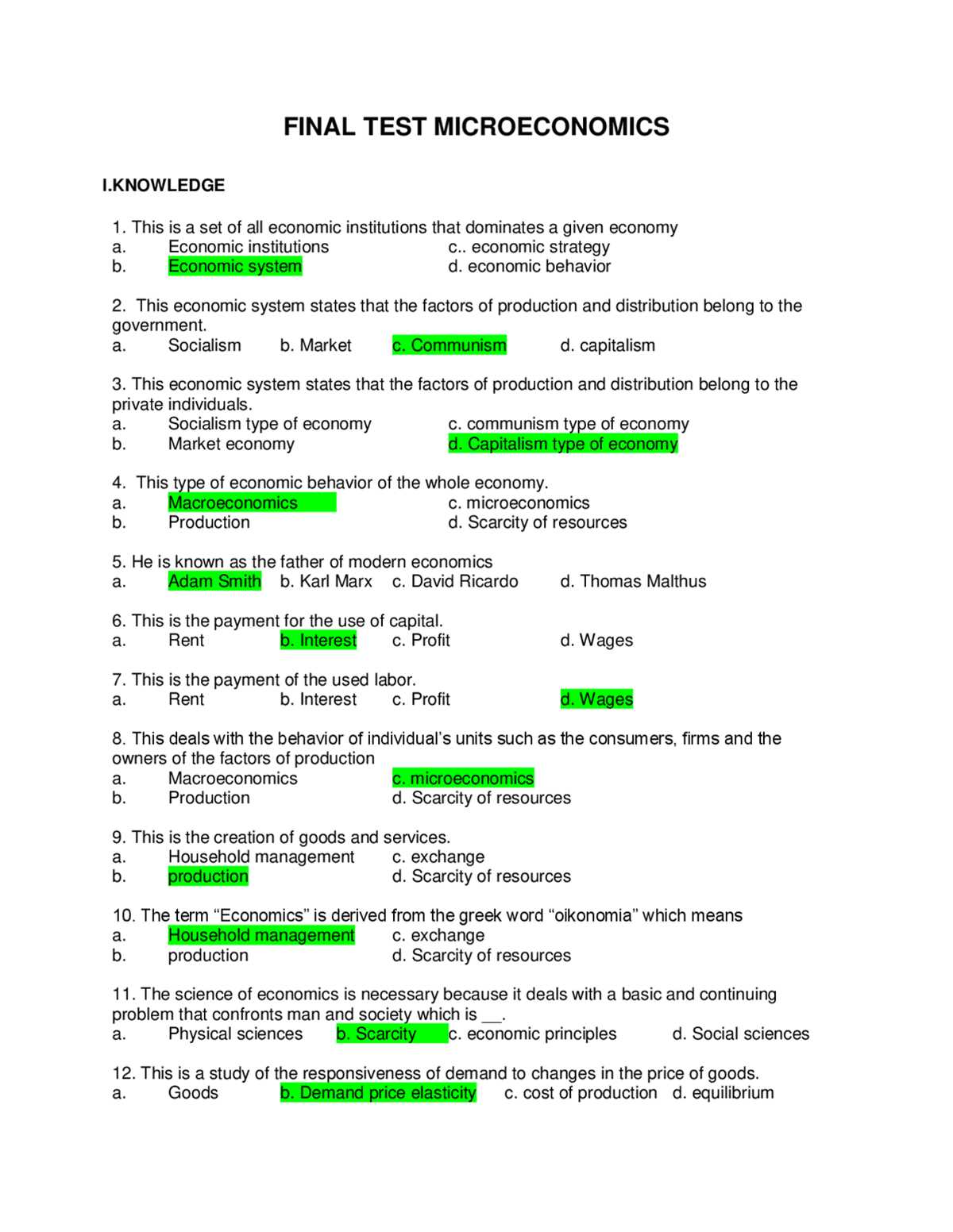
Economic cycles consist of periods of expansion and contraction that are typical in a market-driven economy. These fluctuations are driven by various factors, including consumer behavior, business investment, and government policies. Understanding these cycles is crucial for predicting economic performance and making strategic decisions. Key phases of the cycle include:
- Expansion: This phase is marked by increased consumer spending, business investment, and higher production. It often leads to job creation and wage growth, which in turn boosts overall economic output.
- Peak: The peak represents the point where the economy is operating at its full capacity. It is characterized by high employment, stable prices, and robust demand for goods and services.
- Contraction: During this phase, economic activity slows down. Businesses cut back on investments, and consumer confidence tends to drop, leading to lower spending. Unemployment rates rise, and GDP growth stalls or declines.
- Trough: The trough is the lowest point in the cycle, where economic activity hits bottom. At this point, the economy begins to stabilize before transitioning into the next expansion phase.
The impact of economic cycles on growth can be significant. During an expansion, growth accelerates as businesses thrive and employment increases. However, during a contraction, the economy slows down, and businesses may face financial challenges, affecting their ability to grow. Government interventions, such as fiscal stimulus and monetary policy, are often used to mitigate the negative effects of contractions and support a return to growth.
By understanding these cycles, policymakers and businesses can adjust strategies to either capitalize on periods of growth or prepare for economic downturns. For a deeper understanding, you can explore the Federal Reserve Economic Data website, which provides detailed insights into economic trends and cycles.
Key Strategies for Personal Finance and Budgeting
One of the most effective ways to manage personal finances is to create a detailed budget. A well-structured budget ensures that income is allocated wisely, and expenses are tracked consistently. Here are practical strategies to enhance your financial planning:
- Track Your Spending: Keep a record of daily expenses. Use budgeting apps or spreadsheets to categorize purchases and identify areas where you can cut back. Regularly review your spending habits.
- Set Clear Financial Goals: Establish both short-term and long-term financial objectives. These might include saving for an emergency fund, paying off debt, or investing for retirement. Break down large goals into smaller, manageable steps.
- Prioritize Savings: Allocate a percentage of your income to savings before paying for non-essential expenses. Consider setting up automatic transfers to your savings account to ensure consistency.
- Build an Emergency Fund: Aim to set aside 3-6 months’ worth of living expenses in case of unexpected events like job loss or medical emergencies. This fund acts as a financial buffer during difficult times.
- Minimize Debt: Pay off high-interest debt first, such as credit card balances. Once high-interest debt is cleared, focus on paying down loans or mortgages. Avoid accumulating new debt unless absolutely necessary.
Additionally, consider tracking your net worth– the difference between your assets and liabilities. This will give you a clear snapshot of your financial health and help guide future decisions. Below is an example of how to calculate your monthly budget:
| Category | Amount |
|---|---|
| Income | $4,000 |
| Housing (Rent/Mortgage) | $1,200 |
| Utilities | $200 |
| Groceries | $400 |
| Transportation | $300 |
| Debt Repayment | $500 |
| Savings | $400 |
| Entertainment | $200 |
| Total Expenses | $3,700 |
| Remaining Balance | $300 |
This type of detailed budgeting will help you identify areas to adjust, ensuring that your financial goals are met efficiently. Aim to review and adjust your budget regularly to stay on track.