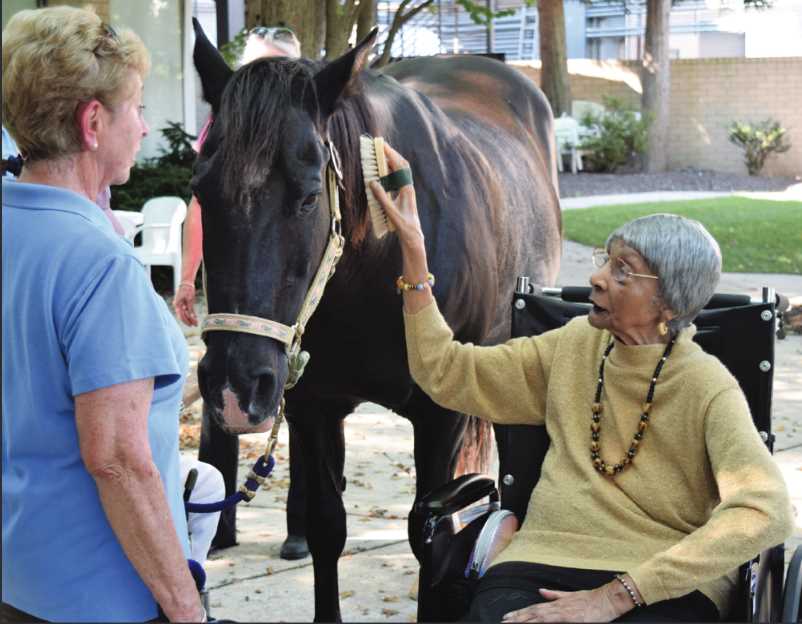
Autism and the Role of Therapy Horses in Treatment Solutions

Incorporating animals in rehabilitation programs can lead to significant improvements for neurodivergent individuals. One method gaining traction is working with horses, which has shown to foster communication, emotional regulation, and social interaction skills.

Research consistently demonstrates the therapeutic potential of equine-assisted interventions. Through structured interactions with horses, individuals engage in non-verbal communication, build trust, and improve motor coordination. These activities offer a hands-on approach that traditional therapy methods may not.
Programs that focus on animal-assisted techniques have a profound impact on reducing anxiety and stress. These benefits are particularly noticeable in environments where traditional therapies might struggle to engage participants fully. The calm and intuitive nature of animals, particularly horses, creates a unique setting where neurodiverse individuals can thrive.
Furthermore, the consistency of working with animals helps individuals practice patience, responsibility, and empathy, skills that are beneficial not just in therapy but in everyday life. The bond formed between the person and the animal can serve as a powerful foundation for progress in both therapeutic and social contexts.