Solutions and Explanations for Data Analysis Practice Problems
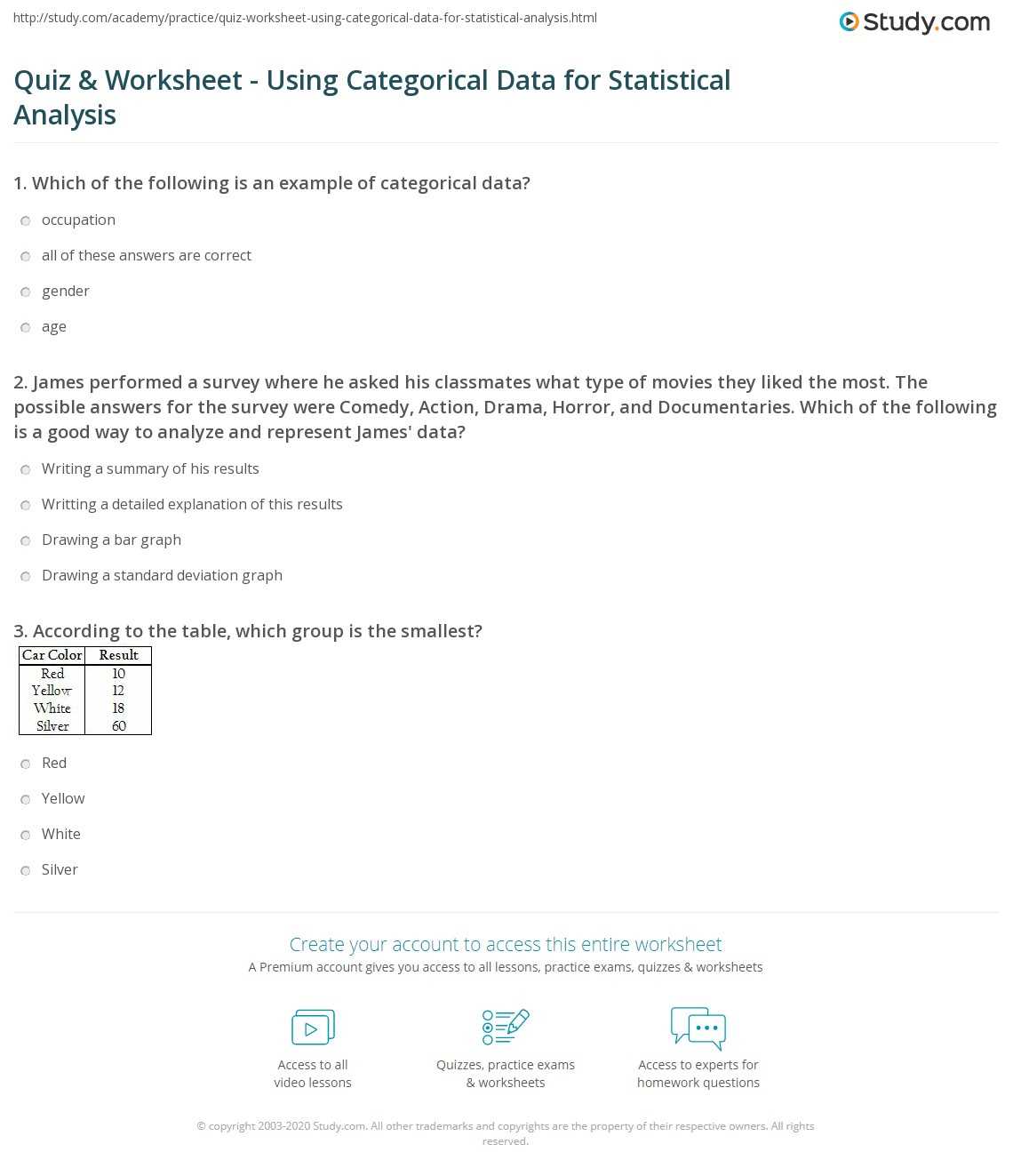
Focus on identifying the key patterns and trends within the given sets of information. When reviewing exercises involving numerical or categorical data, pay attention to how values are distributed and how they correlate with each other. Begin by organizing the figures into a structured format, such as tables or charts, to spot outliers or clusters that might not be immediately obvious in raw form.
To effectively interpret results, follow these guidelines: Always start by calculating central measures, such as averages or frequencies. These help to identify the general tendency of the dataset. Next, consider the spread of the data using range, variance, or standard deviation. This provides insight into the consistency or variability within the data.
Lastly, verify your conclusions by cross-referencing the raw numbers and the visual representations. Ensure that the data fits the conclusions drawn from it. This approach will not only reinforce your understanding but also ensure that your interpretations are accurate and reliable. Regular practice will sharpen your ability to quickly process and analyze any data set efficiently.