Chi-Squared Test in Biology M&Ms Experiment Solution
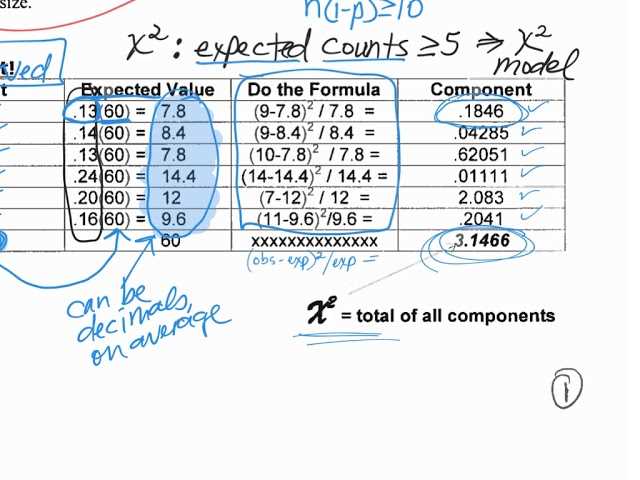
To analyze the distribution of different colored candies, follow these steps. Begin by counting the number of each color present in your sample. Next, compare the observed frequencies with the expected values based on the hypothesis of equal distribution. For instance, if there are 100 candies, and there are 5 colors, each color should theoretically appear 20 times if the distribution is random.
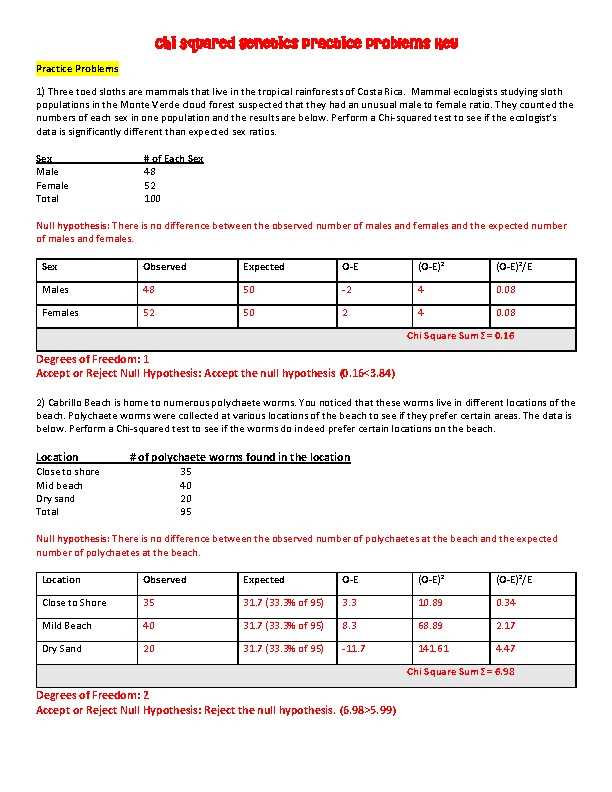
Once you have gathered the data, calculate the differences between the observed and expected frequencies. Square each difference, divide by the expected frequency, and sum these values. This will give you the statistic needed to determine if the distribution significantly deviates from what is expected.
Finally, compare your result with the critical value from the appropriate distribution table. If your calculated value exceeds the critical value, it suggests that the candy colors are not evenly distributed. This process can be applied to any experiment where you’re testing the fit of observed data to expected outcomes.