Guide to Weather Map Symbols and Their Meanings
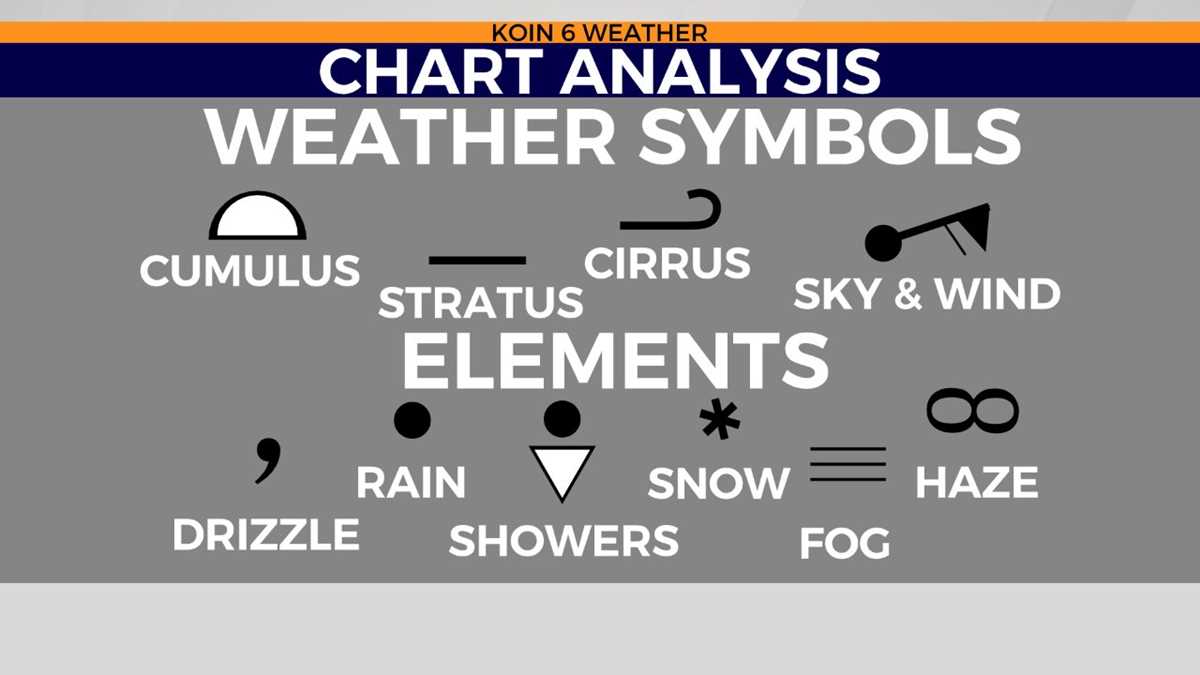
Start by familiarizing yourself with the most commonly used indicators on climate charts. Pay attention to the lines, colors, and shapes that represent different atmospheric conditions such as temperature, pressure, and wind direction. These visual cues are crucial for quick interpretation and help in predicting shifts in local conditions.
Focus on key markers like isobars, which indicate pressure levels, or fronts that represent boundaries between air masses. Understanding these elements will allow you to read the chart accurately and make informed predictions about changing conditions.
Don’t overlook minor details such as cloud types or precipitation markers. These subtle indicators often signal immediate changes in weather. Make sure to recognize the symbols that represent different cloud formations and types of precipitation, as they are key in forecasting short-term events.
Lastly, cross-reference your observations with real-time data whenever possible. This will enhance your ability to understand and anticipate shifts in the environment, making you more confident in interpreting such visual tools effectively.