How Military Rations Influenced Modern Eating Habits
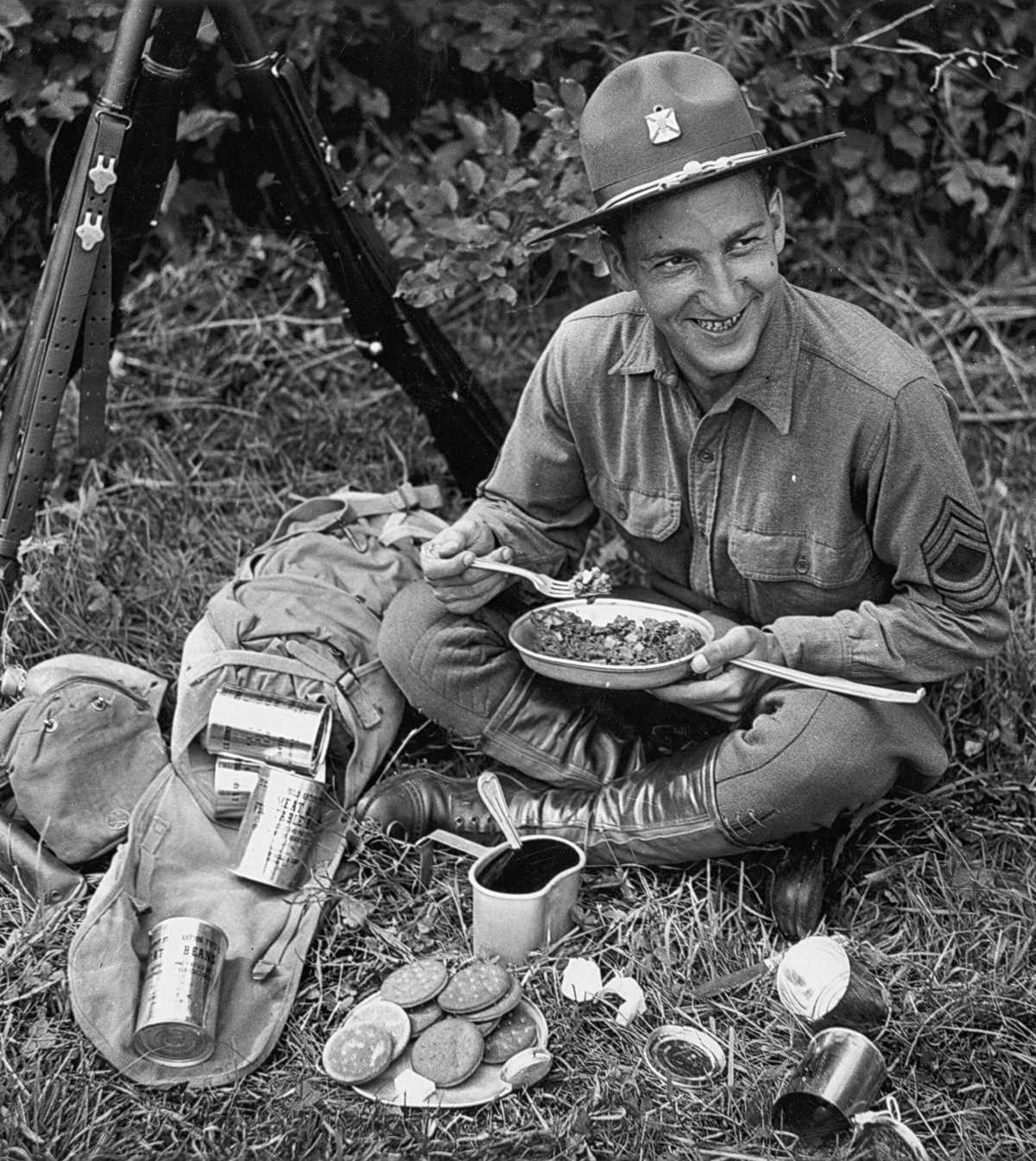
Begin by understanding how packaged meals designed for soldiers have shaped everyday food consumption. These compact, portable meals were initially designed to provide necessary nutrients in environments where resources were scarce. Over time, the innovations in their composition, durability, and ease of storage have influenced consumer food products.
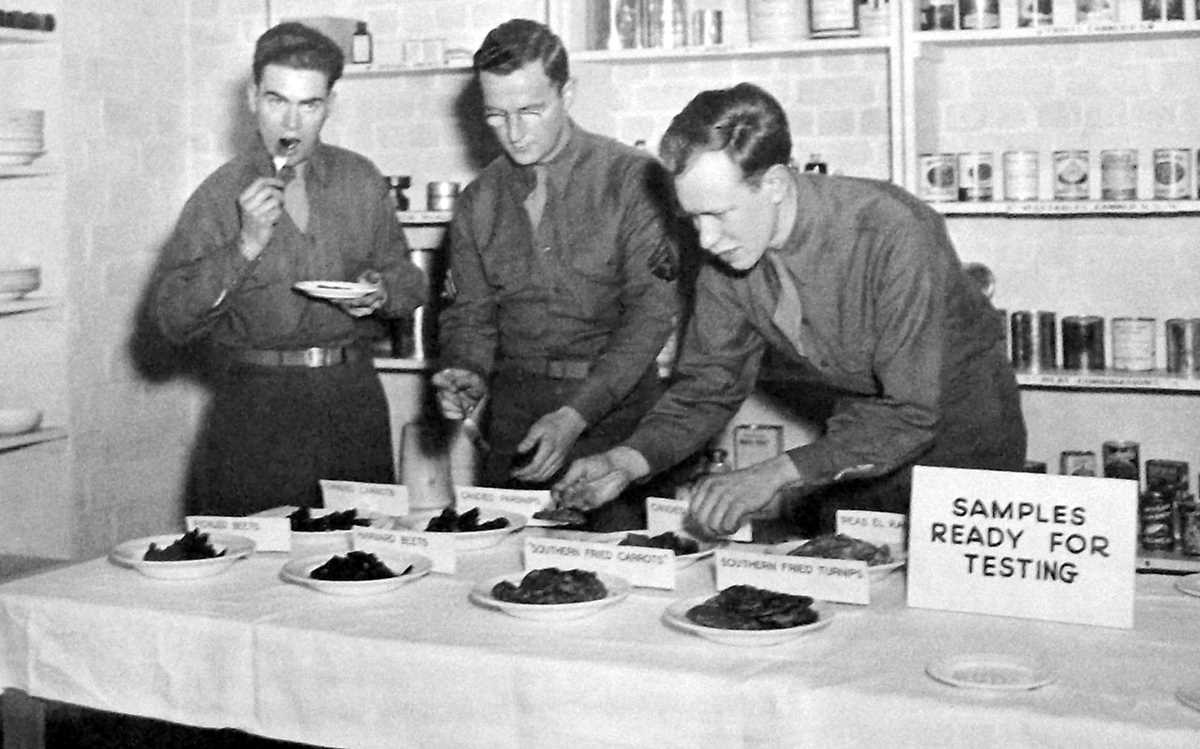
Consider the rise of convenience foods. What started with basic survival needs quickly transformed into the mass production of ready-to-eat meals. Today, modern grocery aisles are filled with products that reflect the same principles of portability, long shelf life, and minimal preparation. From protein bars to freeze-dried meals, the evolution of these food products traces its roots back to the military’s strategic use of preserved foods during wartime.
These changes have not just impacted product offerings but also consumer behavior. With the increasing demand for convenience, people today expect quick, easily prepared options in their daily routines. The influence of wartime food innovation is still visible in today’s food production and consumption patterns, showing how survival-driven solutions can lead to broader shifts in industry trends.