Complete Guide to Reinforcement Activities for Photosynthesis
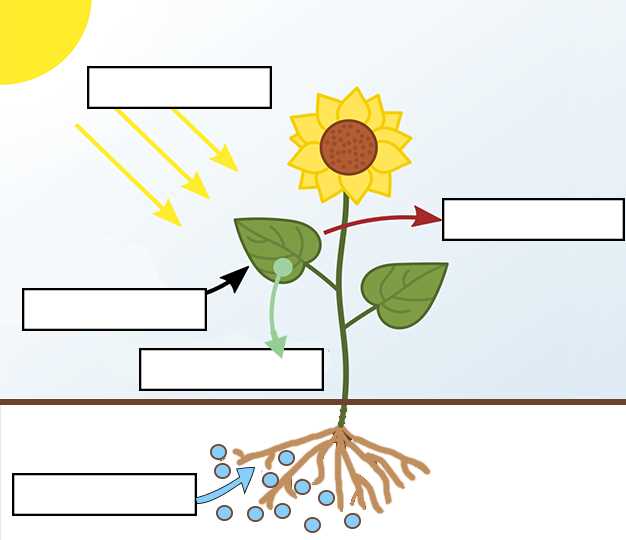
To help students better grasp the processes involved in plant energy production, use activities that focus on breaking down each step of the reaction. Start with clear illustrations showing how plants convert sunlight into glucose, highlighting the roles of chlorophyll and other key components. Encourage learners to engage with diagrams that trace the path of carbon dioxide and water through the cycle.
Be sure to provide hands-on tasks that guide students through these stages. For example, experiments that simulate how light intensity affects the rate of the process can offer real-world connections to theoretical knowledge. Make use of interactive quizzes that assess specific concepts like the role of stomata or the difference between aerobic and anaerobic respiration.
Consistently test student understanding through varied questions, ranging from recall of definitions to application-based scenarios. Utilize multiple types of assessments, such as diagrams that require labeling or short answers explaining the purpose of different molecules involved. These tasks can help reinforce learning and ensure that students connect theoretical knowledge with practical applications.
Engaging Activities to Strengthen Understanding of Energy Conversion in Plants
Start with interactive visual aids. Have students create diagrams that illustrate the steps of energy conversion in plants, from light absorption to glucose production. Ask them to label key parts such as chlorophyll, stomata, and the various molecules involved in the process. This reinforces both visual and theoretical understanding.
Conduct hands-on experiments to simulate how light intensity impacts the rate of energy conversion. Use leaf discs and a bicarbonate solution in a water bath to demonstrate the process of oxygen release under different lighting conditions. Encourage students to make predictions and observe how light affects their results.
Incorporate role-playing activities where students “become” different molecules in the process. For example, one student can act as light, while others represent water, carbon dioxide, or glucose. This helps students visualize the flow of materials and the transformation of energy throughout the cycle.
Organize group challenges that require students to solve practical problems related to the process. Have them design an experiment to test the effect of variables such as temperature or light quality on energy production in plants. This encourages critical thinking and collaborative problem solving.
Wrap up lessons with reflective quizzes or group discussions where students explain how different factors, such as plant type or environment, affect energy production. Include both multiple-choice questions and short-answer prompts to assess their grasp of the topic.
Understanding the Key Processes in Energy Production in Plants
Plants convert light into chemical energy through a series of steps. The first step, light absorption, occurs in the chloroplasts, specifically within the chlorophyll. This pigment captures light energy from the sun, which is essential for the subsequent reactions.
The absorbed energy is used to split water molecules in a process called photolysis. This releases oxygen as a byproduct and provides the necessary electrons for the next phase of energy transformation.
The second major phase is the light-independent reactions, or the Calvin Cycle. Here, carbon dioxide from the air is fixed into organic molecules, using the energy transferred from the light-dependent reactions. This results in the production of glucose, which serves as stored energy for the plant.
- Light-dependent reactions: Occur in the thylakoid membranes of the chloroplasts, where light energy is used to produce ATP and NADPH.
- Calvin Cycle: Takes place in the stroma of the chloroplast, where ATP and NADPH are used to convert carbon dioxide into glucose.
Understanding these processes is crucial for grasping how plants sustain themselves and contribute to the Earth’s energy cycle. It is also key for understanding broader ecological systems and the role of plants in carbon sequestration and oxygen production.
How to Use Practice Activities to Enhance Learning About Energy Conversion in Plants
To strengthen the understanding of how plants convert light into energy, implement activities that reinforce the core concepts involved in this process. Start with hands-on experiments, such as measuring oxygen production in aquatic plants under different light conditions. This provides students with tangible evidence of how light energy impacts plant functions.
Use interactive digital simulations where learners can experiment with variables like light intensity, carbon dioxide levels, and temperature to observe how they affect the production of glucose and oxygen in plants. Websites like PhET Interactive Simulations offer reliable tools for such activities: PhET Photosynthesis Simulation.
- Visual models: Create detailed diagrams of the energy conversion process, allowing students to label the steps, including light absorption and carbon fixation.
- Group challenges: Assign collaborative projects where groups simulate the process of energy production, taking on different roles (e.g., light, water, chloroplasts) to reinforce the interdependence of the factors involved.
- Quizzes and puzzles: Reinforce the terminology and concepts with quizzes that include multiple-choice questions, fill-in-the-blank, or matching activities related to the cycle and its stages.
Reinforce learning with worksheets that encourage students to summarize key steps, providing immediate feedback through structured answer sheets. Additionally, encourage students to create presentations or videos that explain the process to others, which solidifies their understanding through teaching.
Step-by-Step Guide to Creating Energy Conversion Practice Exercises
Begin by identifying the key concepts you want to reinforce, such as light absorption, carbon fixation, or the production of glucose. Break these concepts down into clear steps and outline them for the exercise. This ensures students understand how each part of the process connects to the whole cycle.
Next, choose the format for your activity. Consider interactive components like diagrams, where students can label the different stages, or short-answer questions that require them to describe the role of chlorophyll and sunlight. These methods help solidify understanding of each individual component.
To further challenge students, incorporate scenarios where variables like light intensity or temperature are altered. For instance, create exercises where students predict how these changes affect the rate of energy production in plants. This approach integrates critical thinking and application of learned material.
- Step 1: Create diagrams or flowcharts to visually represent the process.
- Step 2: Develop multiple-choice or true/false questions to test factual knowledge about the steps involved.
- Step 3: Implement problem-solving exercises where students manipulate variables and predict outcomes.
- Step 4: Include a reflection or summary section where students explain the cycle in their own words.
Finally, include an evaluation phase where students receive feedback on their performance. This feedback should highlight areas of misunderstanding and suggest further reading or exercises to clarify the concepts. Providing answers with explanations can also help students self-correct their mistakes.
Common Mistakes to Avoid in Energy Conversion Practice Tasks
One common mistake is misunderstanding the role of chlorophyll in absorbing light energy. Ensure students understand that chlorophyll does not store energy but rather facilitates its capture for use in the energy-producing reactions.
Another frequent error is confusing the products of the process. Students may mix up glucose and oxygen, often thinking both are consumed rather than recognizing that glucose is produced and oxygen is released as a byproduct.
A third mistake occurs when students fail to correctly sequence the steps involved. It’s important to stress the correct order, from light absorption to the production of ATP, then carbon fixation, and finally glucose creation. Misunderstanding the flow of events can lead to confusion about how energy is transformed.
Additionally, students often overlook the impact of external factors like light intensity or temperature on the rate of energy production. Encourage learners to explore how these variables influence the efficiency of energy conversion in plants and to predict outcomes based on changing conditions.
Lastly, avoid overly complex tasks that combine multiple concepts at once without ensuring a strong grasp of the basics. Gradually building knowledge step-by-step will help avoid confusion and promote clearer understanding of each part of the process.
How to Interpret Energy Conversion Data in Practice Tasks
To interpret energy conversion data, start by identifying the variables that are being measured. Common data points include the rate of energy production, such as oxygen release or glucose formation. Ensure you understand how these outputs relate to the input factors, like light intensity, carbon dioxide levels, or temperature.
Next, evaluate the trends in the data. For example, an increase in light intensity should correlate with a higher rate of energy conversion, up to a certain point. If data shows a plateau, it may indicate that another factor, such as temperature or CO2 concentration, is limiting the process.
Examine any anomalies in the data. Unexpected drops in energy production could point to measurement errors or problems in the experimental setup. It’s important to consider how experimental conditions, such as light duration or the age of the plant, might impact results.
Look at the relationships between variables. For instance, how do changes in light affect oxygen output or glucose levels? Drawing connections between the inputs and outputs will help clarify the underlying biological processes.
Finally, interpret the data in the context of real-world applications. How does this data align with what is known about plant behavior in different environments? This approach helps solidify the practical understanding of the process.
Integrating Visual Aids in Learning Activities
Use diagrams to illustrate the main stages of the energy production process. Visuals showing the movement of molecules, such as carbon dioxide and water, through the system can help clarify complex processes. Make sure the diagrams highlight key steps, like the conversion of light energy into chemical energy, in a simple, easy-to-understand format.
Include charts that compare how different factors, like light intensity or temperature, influence energy production. A bar graph or line chart can visually show how these variables affect the rate of energy conversion, allowing students to easily grasp the relationships between the inputs and outputs.
Interactive simulations or videos can be used to demonstrate real-time energy conversion in plants. These tools allow students to visually follow the process and understand how different conditions affect the outcome. Pair these with quizzes or interactive questions to reinforce the learning.
Incorporate color-coded models of plant cells. These models can help students see where specific reactions, such as water splitting or oxygen release, occur. By visually isolating each part of the process, students gain a clearer understanding of the system as a whole.
Finally, consider using virtual labs or 3D models. These digital tools allow for manipulation of environmental variables (light, water, CO2) and demonstrate their effects on energy production in real-time. Students can experiment with different scenarios, which helps solidify their understanding of the process.
Assessing Student Understanding Through Practical Exercises
Use targeted quizzes that focus on specific concepts, such as the role of light energy in cellular reactions. Questions should assess whether students can identify the correct steps in energy conversion and explain the role of different molecules. Provide instant feedback to help reinforce learning and correct misunderstandings immediately.
Incorporate diagrams where students label key parts of the process, such as chloroplasts or the electron transport chain. Ask students to fill in missing steps or explain processes in their own words. This activity helps identify gaps in knowledge and reinforces their understanding through active participation.
Assign group tasks where students model the process in a hands-on way, using materials to represent various elements, such as light, water, and carbon dioxide. This allows for observational assessments where students demonstrate their ability to explain each step in the process based on their role in the model.
Use peer assessments during interactive lessons. Have students review each other’s work and provide constructive feedback on explanations or conclusions drawn from data. This peer engagement encourages deeper understanding and helps identify areas that may need further clarification.
Regularly track student progress with formative assessments, such as concept maps, that require students to visually connect various parts of the process. These maps help both teachers and students recognize relationships between key components and ensure that students grasp the complexity of energy transfer and its role in plant biology.
Additional Resources for Deepening Knowledge of Photosynthesis
To expand your understanding of plant energy conversion, explore these trusted educational materials:
- Khan Academy: Offers free online courses, including detailed explanations on cellular energy production and related processes. Check out their biology section for visual resources and practice exercises. Khan Academy Biology
- National Geographic: Provides articles and interactive content that explain the environmental impact and biological importance of plant processes. Visit the science section for deeper insights. National Geographic Science
- HHMI Biointeractive: Features engaging animations and videos that visualize the processes inside plant cells, making complex ideas easier to grasp. HHMI Biointeractive
- Coursera: Offers online courses from universities such as Stanford and Yale, covering plant biology in depth, including the mechanisms behind energy creation in plants. Coursera
- Science Direct: A leading resource for peer-reviewed journals and research articles on plant biology, including studies on photosynthesis and its applications. Science Direct Journal
Incorporating these resources will deepen your knowledge, enhance understanding, and provide more complex perspectives on plant energy conversion processes.