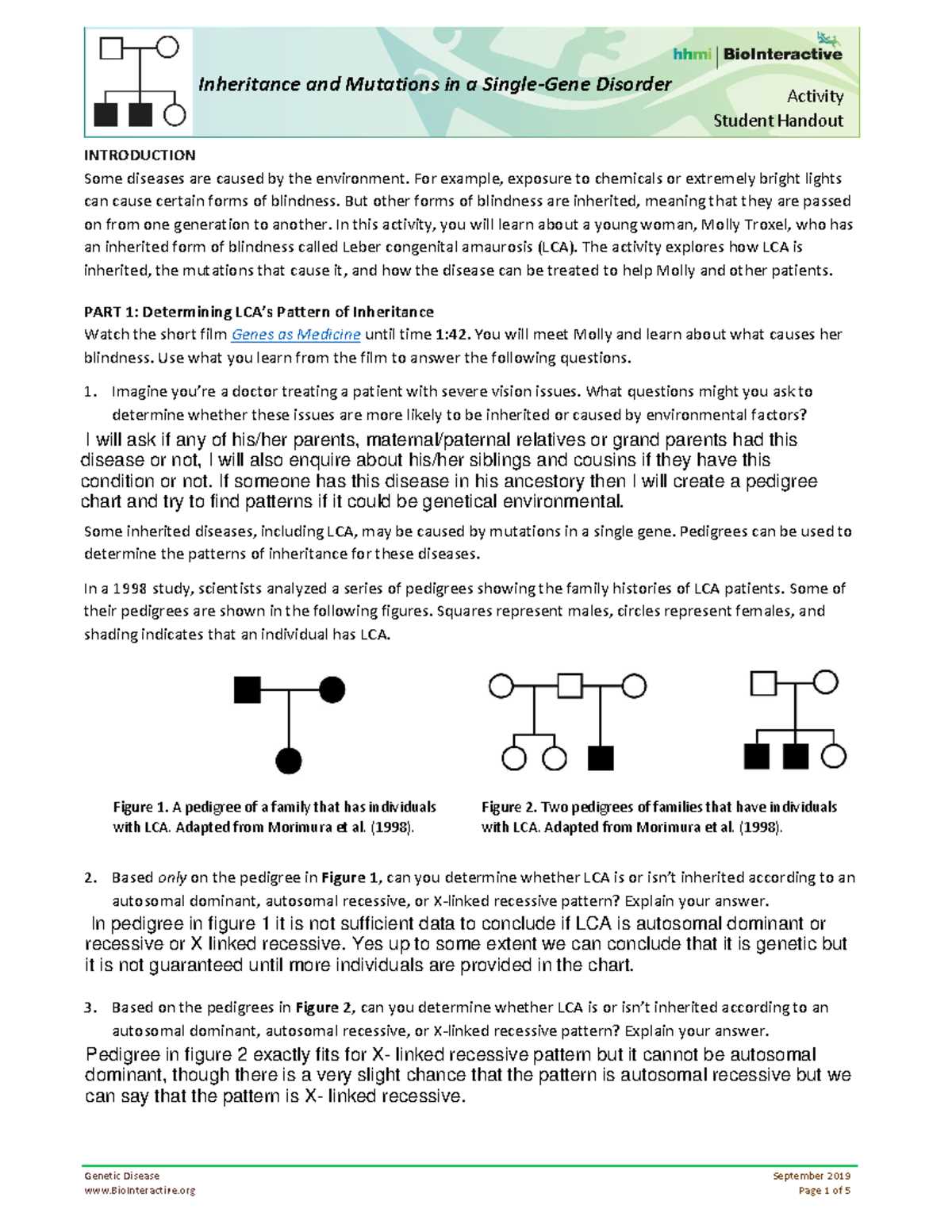
Solutions for Understanding Genetic Mutations and Disorders
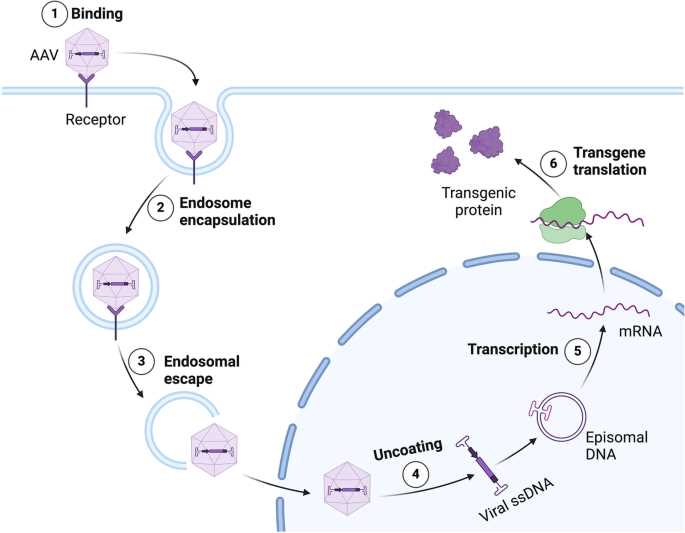
Start by focusing on specific variants in DNA sequences. These alterations can manifest in numerous forms, such as structural changes in chromosomes or point mutations within genes. Each modification has the potential to influence the function of proteins or enzymes, leading to various health conditions. The effects can range from benign to severe, depending on the location and nature of the genetic change.
Identify the types of alterations that can lead to disease. Some changes may be inherited, while others occur spontaneously. It is essential to understand the relationship between these variations and how they disrupt normal biological processes. Analyzing these patterns can provide insight into the mechanisms behind conditions such as inherited disorders and certain cancers.
Review the diagnostic methods used to detect such alterations. Techniques like genetic testing, sequencing, and chromosome analysis help scientists pinpoint the exact nature of the variation. Understanding how these tests work can aid in identifying the cause of a condition and determining appropriate treatments.
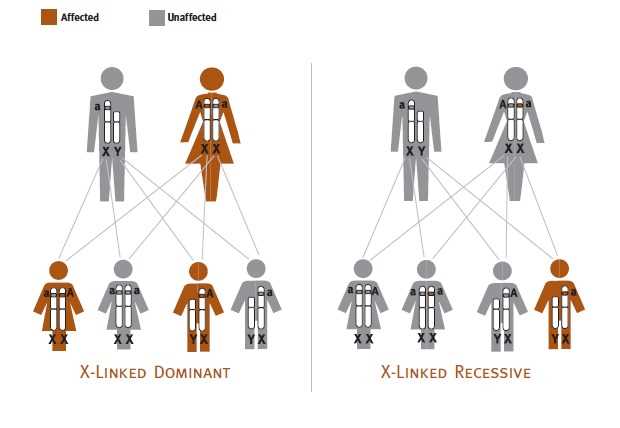
By gaining a clear understanding of chromosomal changes and their impacts, you can better comprehend the complexity of genetic diseases and their management. It is crucial to stay informed about the latest research and advancements in this field to enhance both diagnosis and treatment strategies.