Microscope Labeling Solutions and Detailed Explanations
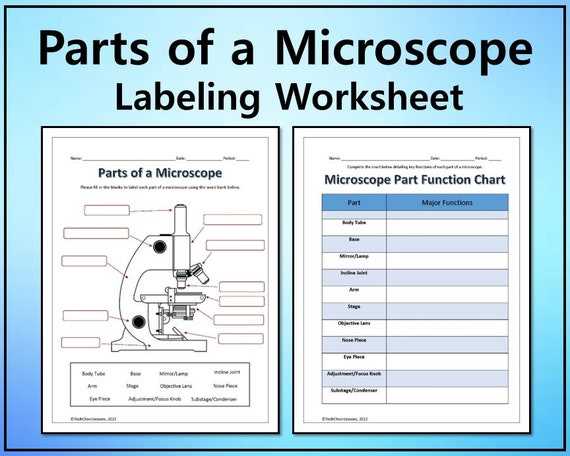
To master the identification of microscopic structures, it’s vital to understand both the parts and their respective functions. Start by carefully observing slides under the magnification, paying attention to both cellular and subcellular components. Labeling these parts correctly enhances understanding and retention, so precision is key.
Many of the most common mistakes occur when structures are overlooked or mislabeled due to confusion between similar parts. Focus on the main organelles and features that serve vital roles in the functioning of cells, such as the nucleus, mitochondria, and cytoplasm. Avoid getting sidetracked by smaller, less significant structures unless required.
Referencing a reliable source for comparison helps confirm your observations and serves as a guide for correct labeling. Utilize educational diagrams and well-annotated textbooks that accurately depict the structures you are examining. This approach will minimize errors and boost confidence during the learning process.
Microscope Labeling Solutions and Detailed Explanations
To correctly identify the structures under examination, begin with the most prominent components such as the nucleus, mitochondria, and cell membrane. These parts are vital for cellular function and are typically larger and easier to spot under high magnification.
Start with the outer boundary: the cell membrane, which serves as the protective layer for the cell. It is a flexible structure that controls the movement of substances in and out of the cell. Next, the nucleus, typically found near the center of the cell, contains the cell’s genetic material. This organelle is essential for controlling the cell’s activities and division.
The mitochondria are responsible for energy production and can often be seen as small, bean-shaped structures scattered throughout the cytoplasm. Their distinct double membrane is a key identifying feature. The ribosomes, either floating freely or attached to the endoplasmic reticulum, are smaller but crucial for protein synthesis.
In plants, the chloroplasts are key features to identify, especially when looking at cells from plant tissues. These organelles are responsible for photosynthesis and contain the pigment chlorophyll, which gives plants their green color.
For more detailed diagrams and information on cellular structures, refer to trusted sources such as Khan Academy – Biology. They provide well-researched content and high-quality visual aids for better understanding.
How to Identify Key Structures Under the Microscope
Begin by locating the nucleus, the most prominent structure in a cell. It is usually spherical or oval in shape, found near the center of the cell, and often darker in color due to the presence of chromatin. This organelle contains the cell’s genetic material, and is vital for cell regulation.
Next, identify the cell membrane, the outermost boundary of the cell. It’s typically thin and flexible, visible as a clear line surrounding the cell. It controls the passage of materials into and out of the cell.
Look for mitochondria, which appear as small, oval-shaped structures throughout the cytoplasm. They are often difficult to distinguish unless the specimen is well-stained. These organelles are responsible for energy production within the cell.
In plant cells, you should look for chloroplasts. These organelles are responsible for photosynthesis and are usually green due to the chlorophyll pigment. They appear as small, round or oval bodies scattered in the cytoplasm.
Finally, observe the ribosomes, which are smaller and may be found either free in the cytoplasm or attached to the endoplasmic reticulum. They are crucial for protein synthesis but may be challenging to spot unless the cell is prepared with specific stains.
Step-by-Step Guide to Labeling Common Microscopic Organisms
1. Prepare the Slide: Place the specimen on the slide and cover it with a coverslip. Make sure there is no air bubble trapped under the coverslip.
2. Adjust the Focus: Start by focusing on the organism under low magnification. Ensure the organism is in clear view before increasing magnification.
3. Locate Key Features: Identify the major parts of the organism, such as the cell wall, nucleus, chloroplasts, flagella, or cilia. These structures are usually prominent and distinguishable.
4. Zoom In: Switch to higher magnification to observe smaller structures like vacuoles, mitochondria, or ribosomes if visible.
5. Draw the Organism: On a separate sheet, draw the organism, highlighting key structures. Label each part accurately using a ruler to ensure neatness.
6. Use Proper Labels: Clearly label each structure. For example, label the nucleus, cytoplasm, cell membrane, or chloroplasts (for plant cells).
7. Double-Check for Accuracy: Revisit your drawing under different magnifications to make sure you haven’t missed any structures.
8. Review and Record: After labeling, cross-check your work with references to ensure correct identification and naming conventions.
Understanding the Function of Each Microscopic Part
Cell Membrane: The cell membrane controls the entry and exit of substances, maintaining homeostasis by regulating the internal environment of the cell.
Cytoplasm: This gel-like substance houses the organelles, providing a medium for biochemical reactions and supporting the shape and structure of the cell.
Nucleus: The nucleus is the control center of the cell, containing DNA that directs the cell’s growth, reproduction, and function. It also regulates gene expression and cell division.
Chloroplasts: Found only in plant cells, chloroplasts convert light energy into chemical energy through photosynthesis, producing glucose as a food source for the cell.
Vacuole: Vacuoles store nutrients, waste products, and water. In plant cells, they help maintain turgor pressure, contributing to cell rigidity and structure.
Mitochondria: Often referred to as the “powerhouses” of the cell, mitochondria generate energy in the form of ATP, which is used for cellular processes and activities.
Endoplasmic Reticulum (ER): The rough ER synthesizes proteins, while the smooth ER synthesizes lipids and detoxifies harmful substances in the cell.
Ribosomes: Ribosomes are responsible for protein synthesis by translating messenger RNA (mRNA) into amino acid sequences to build proteins.
Golgi Apparatus: The Golgi apparatus modifies, sorts, and packages proteins and lipids for storage or transport out of the cell.
Flagella and Cilia: These hair-like structures enable movement in certain cells. Flagella typically provide movement through a whip-like motion, while cilia move in coordinated back-and-forth strokes to propel cells or move substances along surfaces.
Tips for Accurately Labeling Slides in Lab Exercises
1. Start with Clear, Legible Text: Ensure all labels are written clearly and legibly. Use a fine-tip pen or marker to avoid smudging and ensure accuracy.
2. Label Each Structure Directly: Place the label directly next to the structure or area of interest. Avoid cluttering the slide with excessive text. Position the label in a way that avoids obscuring important details.
3. Use Proper Terminology: Refer to structures using correct scientific terms. Double-check the names of components before labeling them to avoid confusion.
4. Use Arrows for Clarity: If the structure is complex or hard to describe in a small space, use arrows to point to specific parts for better clarity.
5. Label Only the Key Features: Focus on the most important features. Including too many minor structures can overwhelm the viewer and obscure the main focus.
6. Consistency in Labeling: Use consistent methods for labeling across all slides. If you use arrows for one label, do the same for all others to maintain uniformity.
7. Double-Check Your Work: After labeling, take a moment to review your slide. Make sure every label is accurate, correctly placed, and easy to read.
8. Include a Title or Identification: For each slide, include a brief title or identification at the top of the slide. This helps to quickly identify the specimen or sample being examined.
Common Mistakes When Labeling Microscopic Features
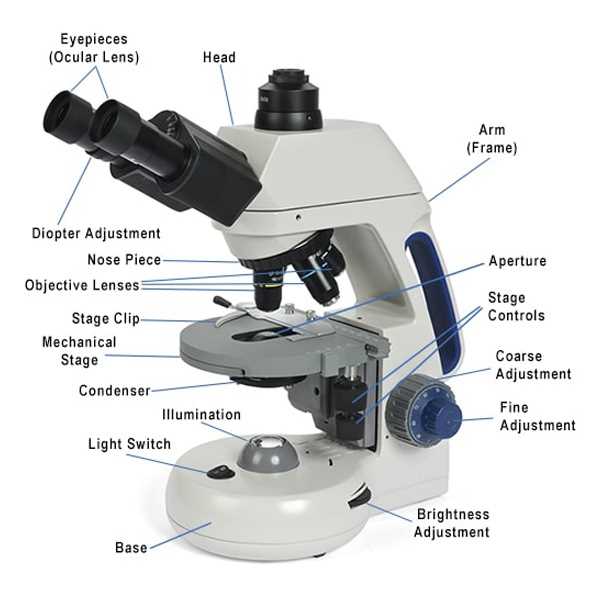
1. Incorrect Placement of Labels: Labels should be placed directly adjacent to the structure they refer to, not at random spots on the slide. Misplaced labels can cause confusion and make it harder to identify the target features.
2. Overcrowding the Slide: Avoid labeling too many structures on a single slide. This can clutter the view and make it difficult to focus on the most important features. Limit the labels to key components.
3. Using Inaccurate or Vague Terminology: Using non-specific or incorrect terms can lead to confusion. Always use precise scientific names and terms that are universally accepted in the field.
4. Labeling Unnecessary Structures: Only label the most significant features. Including every single part, even those irrelevant to the exercise, can distract from the main points of focus.
5. Failing to Use Arrows or Lines: When labeling complex structures, failure to use arrows or lines to connect the label to the feature makes identification unclear. Ensure all labels are clearly linked to their respective features.
6. Using Too Small or Unclear Text: Labels should be written clearly and large enough to be easily readable. Small or illegible writing can make it difficult for others to interpret the slide correctly.
7. Ignoring Orientation: Ensure that the slide is oriented correctly when labeling. Incorrect orientation can lead to misidentification of features, especially if they have asymmetrical or directional structures.
8. Lack of Consistency: Inconsistent labeling methods, such as varying label styles or placement techniques, can cause confusion. Use a consistent format for all labels across the slide for clarity.
How to Use a Microscope for Precise Observations and Labeling
1. Adjust the Light Properly: Ensure the light source is correctly set for clear and sharp visibility of the sample. Use the condenser to focus light on the specimen, and adjust the iris diaphragm to control the light intensity.
2. Start with Low Magnification: Begin by using the lowest magnification to locate the specimen. Once you’ve found the sample, slowly switch to higher magnifications for detailed observation.
3. Focus Carefully: Use the coarse adjustment knob to bring the sample into general focus at lower magnifications. Then, use the fine adjustment knob to sharpen the image at higher magnifications.
4. Secure the Slide: Place the slide on the stage and secure it using the stage clips. Make sure the specimen is centered in the field of view before starting to observe it under higher magnifications.
5. Use Immersion Oil for High Magnifications: For the highest magnifications (typically 100x), apply a drop of immersion oil on the slide. This helps to achieve a clearer and more detailed view by reducing light refraction.
6. Label Key Features Accurately: As you observe the specimen, mark key features directly on the diagram or slide. Use clear and precise terms to avoid confusion later. Label only the most important parts relevant to your observation.
7. Maintain Proper Focus at All Times: When switching between magnifications, carefully adjust focus to avoid losing clarity. At high magnifications, small adjustments can significantly impact the sharpness of the image.
8. Record Observations Immediately: As soon as you observe a feature, take notes and label it. This prevents mistakes due to memory lapses and ensures your labeling is based on precise observations.
Reviewing the Most Important Components for Accurate Labeling
1. Specimen Identification: Always identify the specimen clearly before observing it under the instrument. Ensure the name of the organism or sample is recorded correctly and prominently for accurate reference.
2. Cell Structure Understanding: Be familiar with the main cellular structures, such as the nucleus, cytoplasm, and membrane. Accurate identification of these features is critical when describing cells or tissues.
3. Proper Orientation: Before labeling, ensure the slide is correctly oriented, with the most relevant parts of the sample in focus. Incorrect orientation can lead to mistakes in identifying and labeling components.
4. Magnification Settings: Adjust the magnification level appropriately for the structure you are observing. Different parts of the sample may require different levels of zoom for accurate representation.
5. Focusing Techniques: Focus properly at each magnification level to ensure clarity. Use both coarse and fine adjustment knobs to obtain the sharpest possible view before identifying and naming features.
6. Clear Terminology: Use clear and precise terminology when labeling. Avoid vague terms or abbreviations that may lead to confusion. Consistency in naming structures helps ensure accuracy.
7. Attention to Detail: Take note of small features and differences in texture, shape, and color. These details help in distinguishing between similar structures and in labeling them correctly.
8. Cross-Reference with Reliable Sources: Compare your observations with authoritative diagrams or textbooks. Cross-referencing helps confirm the accuracy of your labels and ensures that you’re identifying structures correctly.
Best Practices for Cross-Referencing Your Labeling with Sources
1. Use Authoritative Texts and Databases: Refer to well-established biology textbooks, peer-reviewed journals, or reliable online databases like PubMed or educational institution websites. These sources provide accurate and detailed diagrams for proper identification.
2. Compare Multiple Sources: Cross-check your observations with different sources to ensure consistency. Relying on a single source can introduce errors. Utilize a variety of diagrams and reference materials to confirm details.
3. Keep a Reference Guide Handy: Maintain a reference guide or chart next to your workstation. This guide should include labeled images and descriptions of common specimens and their features to facilitate quick cross-referencing during analysis.
4. Pay Attention to Different Magnification Levels: Some structures may only be visible at specific magnifications. Make sure to consult sources that provide clear images at various zoom levels to match your observations accordingly.
5. Verify with Laboratory Manuals: Lab manuals often contain specific instructions and labeled diagrams relevant to your exercises. Ensure you compare your labels with those provided in the manual to avoid misidentification.
6. Stay Consistent with Terminology: When cross-referencing, make sure to use consistent terminology across all sources. This reduces confusion when identifying structures and ensures that all labels align correctly with standard nomenclature.
7. Document Your Sources: Record the sources you used for reference. This can be helpful if you need to revisit them for clarification or if you’re preparing a report. It also helps in case any discrepancies arise later in the analysis.
8. Regularly Update Your Reference Materials: Keep your source materials current. As new research emerges, diagrams and identification standards may change. Ensure that your reference materials reflect the most recent findings for accuracy.