How Fake News Is Deceiving Millions and What You Can Do
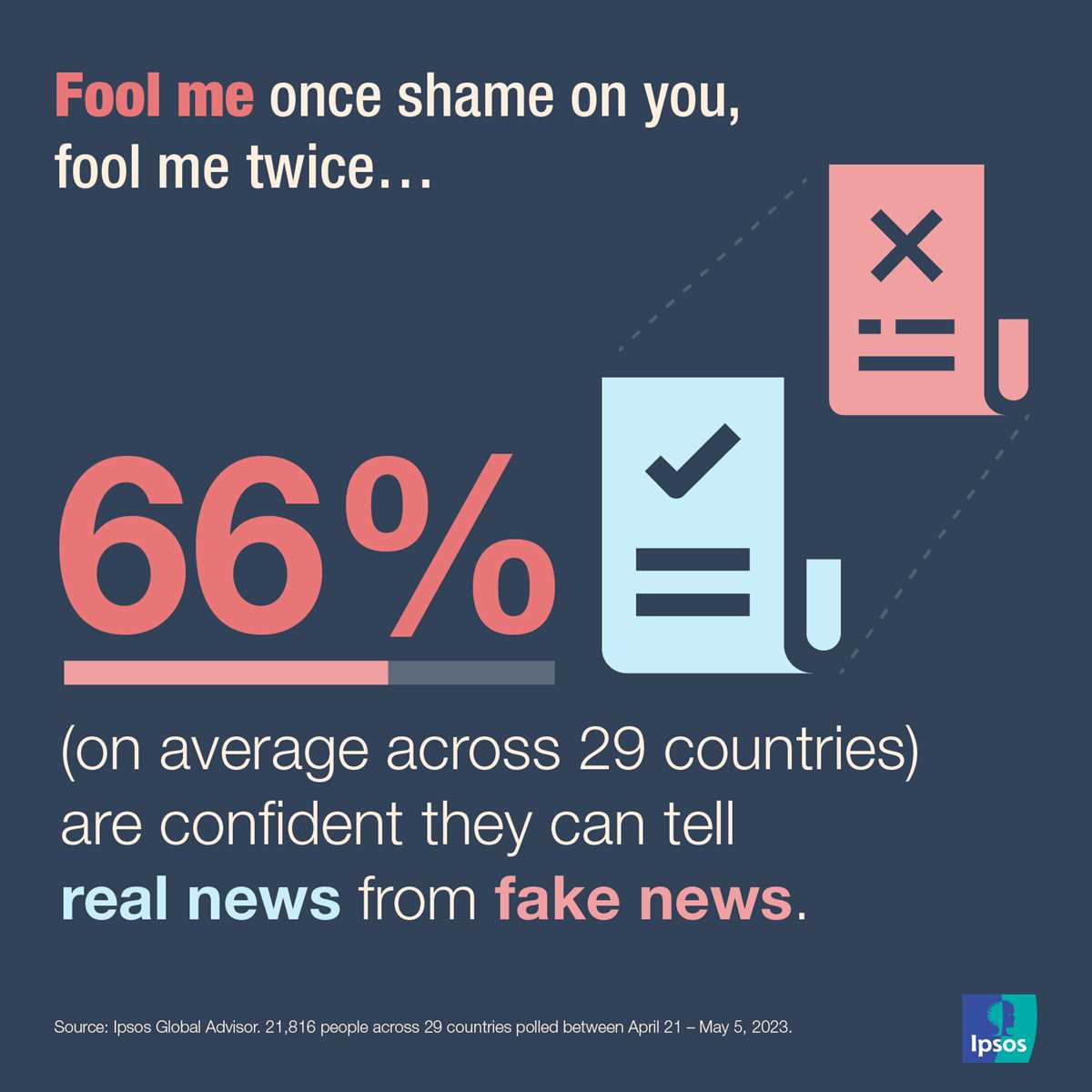
To avoid being misled, always verify the credibility of the source before accepting information as true. Many people unknowingly share inaccurate data that has been manipulated to fit a certain narrative. Recognizing this problem is the first step in combating its spread.
Start by cross-checking information with reliable outlets, particularly those with established fact-checking protocols. Use tools that verify sources and flag misleading claims. This can significantly reduce the likelihood of passing along falsehoods.
In addition, be mindful of emotional reactions triggered by sensational headlines. Often, misleading content is designed to provoke strong feelings, which can cloud judgment. Remaining objective helps in separating fact from fiction.
How Misinformation Is Deceiving the Public and What You Can Do
To protect yourself from being misled, always verify the authenticity of information before sharing it. Many individuals unknowingly spread distorted or fabricated content because they haven’t checked the source. Being cautious and informed helps stop the spread.
Follow these steps to avoid falling for misleading content:
- Cross-check sources: Use reputable websites, verified fact-checkers, and independent outlets to confirm claims before accepting them as true.
- Recognize red flags: Sensational headlines or emotionally charged language are often signs of misleading content. Approach such material critically.
- Use verification tools: Online tools such as reverse image search or article fact-checking sites can help quickly identify whether a story is false.
- Don’t rely on social media alone: Information shared on platforms is not always accurate. Always look for additional confirmation from trustworthy sources.
By applying these strategies, you can reduce the spread of deceptive material and protect your own understanding of current events.
Identifying Common Types of Misinformation
Recognizing different types of misleading information can help you stay informed and avoid being deceived. Here are the most common types to watch out for:
- Clickbait: Headlines designed to attract attention by exaggerating or misrepresenting the content. Often, the actual article does not align with the sensational headline.
- Misleading Statistics: Data that is taken out of context or presented in a way that distorts the original meaning. Always question the source and methodology behind the statistics.
- Satire or Parody: Humorous or exaggerated stories that may be mistaken for real events. Look for signs such as fictional names or obvious absurdities that signal the story is not factual.
- Out-of-context Quotes: Using statements or quotes without providing the full context can drastically alter their meaning. Be sure to verify the source and intent behind a quote.
- Propaganda: Information that is deliberately biased or manipulated to promote a particular political or social agenda. Cross-check with multiple independent sources to identify biased content.
- False Experts: Content that cites unqualified individuals or fake credentials to support claims. Verify the credibility of any so-called “experts” before accepting their views as valid.
Always approach new information critically, check sources, and be cautious of overly dramatic or emotionally charged claims.
How False Information Spreads on Social Media
Understanding how incorrect content spreads on platforms can help you avoid falling for it. Here are key mechanisms to be aware of:
- Viral Content: Engaging or shocking posts are more likely to be shared, regardless of their truth. People often share without verifying, increasing the reach of misleading content.
- Echo Chambers: Social media groups or feeds tend to reinforce existing beliefs. Users are more likely to believe and share content that aligns with their views, creating a cycle of misinformation.
- Emotionally Charged Headlines: Content designed to provoke strong emotions, such as anger or fear, often spreads quickly. Emotional reactions can override critical thinking, leading to rapid dissemination of false information.
- Algorithm Amplification: Social media algorithms prioritize content that generates engagement, often promoting sensational or polarizing material, even if it’s not accurate.
- Influencers and Bots: Fake accounts, including bots and even influential figures, can artificially boost the visibility of misleading content, making it seem more credible to followers.
- Lack of Accountability: Unlike traditional media outlets, many social media platforms do not hold users accountable for spreading false claims, allowing misinformation to proliferate unchecked.
To combat this, always cross-check information, scrutinize sources, and be cautious before sharing content online.
Psychological Factors Behind Believing False Information
Understanding why people believe misleading content is key to preventing its spread. Here are some psychological factors that contribute to the acceptance of false claims:
- Cognitive Biases: People are prone to cognitive biases such as confirmation bias, where they accept information that aligns with their pre-existing beliefs, ignoring contradicting evidence.
- Emotional Manipulation: Content that triggers strong emotions like fear, anger, or surprise is more likely to be accepted as true. Emotions can override logical analysis, making individuals less critical of the information presented.
- Social Proof: If a large number of people are sharing or endorsing a piece of information, individuals are more likely to trust it. This social validation creates a sense of credibility, even if the information is false.
- Authority Bias: Individuals tend to trust information from perceived authoritative sources, even if those sources are not reliable. This bias leads people to accept false claims from influential figures without scrutiny.
- Repetition Effect: Repeated exposure to the same information increases familiarity, which makes individuals more likely to accept it as truth. The more a claim is seen or heard, the more believable it becomes.
- Echo Chambers: Online communities often reinforce individuals’ existing viewpoints, making it easier for them to believe misleading content that supports their beliefs while dismissing contradictory information.
To counteract these psychological influences, it’s crucial to cultivate critical thinking, seek diverse perspectives, and verify information before accepting or sharing it.
How to Fact-Check Information Online
Follow these steps to verify information you encounter online:
- Check the Source: Verify the credibility of the website or publisher. Trusted outlets, educational institutions, or government agencies are generally reliable sources.
- Look for Multiple Sources: Cross-check the information with reputable websites. Reliable claims are usually reported by multiple independent sources.
- Verify Dates and Context: Check when the information was published and whether it’s still relevant. Ensure the context hasn’t changed or been distorted.
- Use Fact-Checking Websites: Use trusted fact-checking sites like Snopes, FactCheck.org, or PolitiFact to verify claims and debunk false information.
- Inspect Author Credentials: Look for the author’s qualifications and background. Experts in the field are more likely to provide accurate and well-supported information.
- Examine Visual Evidence: Images and videos can be manipulated. Reverse image searches can help determine if visual content has been altered or taken out of context.
- Check for Sensationalism: Be wary of headlines or content designed to provoke strong emotions. If it sounds too outrageous, it might be misleading.
By following these guidelines, you can make more informed decisions and avoid sharing misleading or inaccurate information.
Tools for Detecting Fake Information Quickly
Use the following tools to identify misleading or false content rapidly:
- Google Fact Check Tools: Use Google’s fact-checking feature to verify claims and check if they have been debunked by reputable sources.
- Snopes: Snopes is one of the most well-known fact-checking websites, offering a database of debunked myths and hoaxes.
- PolitiFact: PolitiFact specializes in verifying political statements and claims, with a clear “Truth-O-Meter” rating for each claim.
- FactCheck.org: This non-partisan, nonprofit organization focuses on factual accuracy in U.S. politics and public statements.
- NewsGuard: NewsGuard provides a browser extension that evaluates websites based on journalistic standards, helping to identify trustworthy sources.
- InVID: InVID is a video verification tool that allows users to check the origin and authenticity of video content, crucial for identifying manipulated footage.
- Hoaxy: Hoaxy visualizes how false claims spread online and helps you track the spread of disinformation across social media platforms.
By using these tools, you can quickly verify claims and avoid spreading incorrect or misleading information.
Understanding Media Bias and Its Role in Misinformation
Be aware of how media bias influences the way information is presented. Different media outlets often have political, cultural, or financial biases that shape how they cover stories. This bias can skew facts, omit important details, or present selective perspectives that distort the truth.
Here are key factors that contribute to bias:
- Political Leaning: Many media sources have clear political stances that affect their coverage. These outlets may emphasize certain facts that align with their position while downplaying opposing viewpoints.
- Commercial Interests: Some outlets may exaggerate or sensationalize stories to increase audience engagement, thereby driving ad revenue. This can lead to misleading headlines and exaggerated claims.
- Cultural Bias: Media sources often reflect the values and norms of their audience, which can lead to biased reporting on social issues, creating distorted narratives.
- Framing: The way information is framed can significantly influence its interpretation. Headlines, word choice, and image selection can create specific emotional responses and guide public opinion.
Recognize that bias can subtly influence the way you interpret content. Always cross-check information from multiple sources to get a balanced view of events.
For further information on media bias, visit Media Bias Fact Check for detailed analyses and evaluations of news outlets.
Strategies for Combating False Information in Daily Life
Implement these practical methods to reduce the impact of misleading content:
| Strategy | Description |
|---|---|
| Verify Sources | Before sharing any content, confirm that the information comes from a reliable and well-established source. Use fact-checking websites like Snopes or FactCheck.org. |
| Cross-check Information | Look for the same information across multiple reputable platforms. Cross-referencing helps identify any inconsistencies or exaggerations. |
| Analyze Headlines | Headlines can be misleading or exaggerated. Always read the full article before forming an opinion or forwarding content. |
| Be Skeptical of Emotional Triggers | Content designed to provoke strong emotional reactions, such as outrage or fear, should be approached with skepticism. Emotional manipulation is a common tactic in spreading false claims. |
| Use Technology Tools | Employ browser extensions or apps that help detect unreliable sources, such as Media Bias/Fact Check or NewsGuard, which rate the credibility of websites. |
By adopting these strategies, you can improve your ability to identify and challenge misleading content in your daily interactions.
Legal and Ethical Implications of Spreading False Information
Spreading incorrect information can have serious legal and ethical consequences. Here are some key aspects to consider:
| Aspect | Description |
|---|---|
| Legal Responsibility | Individuals or organizations who spread misleading information may face legal action for defamation, libel, or slander, depending on the jurisdiction. Courts can impose penalties if the false claims harm someone’s reputation or lead to financial loss. |
| Ethical Standards | Ethically, sharing false information undermines trust within communities. Journalists, content creators, and influencers are expected to uphold accuracy in their work. Spreading unverified content is considered a breach of professional integrity. |
| Public Harm | False information can cause significant harm to individuals, communities, or even nations. From inciting panic to swaying elections, the damage done can be irreversible. The ethical duty lies in minimizing such risks. |
| Social Media Regulation | Governments are increasingly holding social media platforms accountable for the spread of false claims. Social networks can face fines or even be forced to implement stricter content moderation policies to curb misinformation. |
| Intent and Consequences | Legal consequences depend on the intent behind spreading falsehoods. Intentional disinformation campaigns, designed to deceive or harm, often result in harsher legal penalties than accidental misinformation. |
Both legal and ethical implications of distributing incorrect information highlight the need for personal responsibility and a commitment to truth. Ensuring the accuracy of shared content protects both individuals and society as a whole.