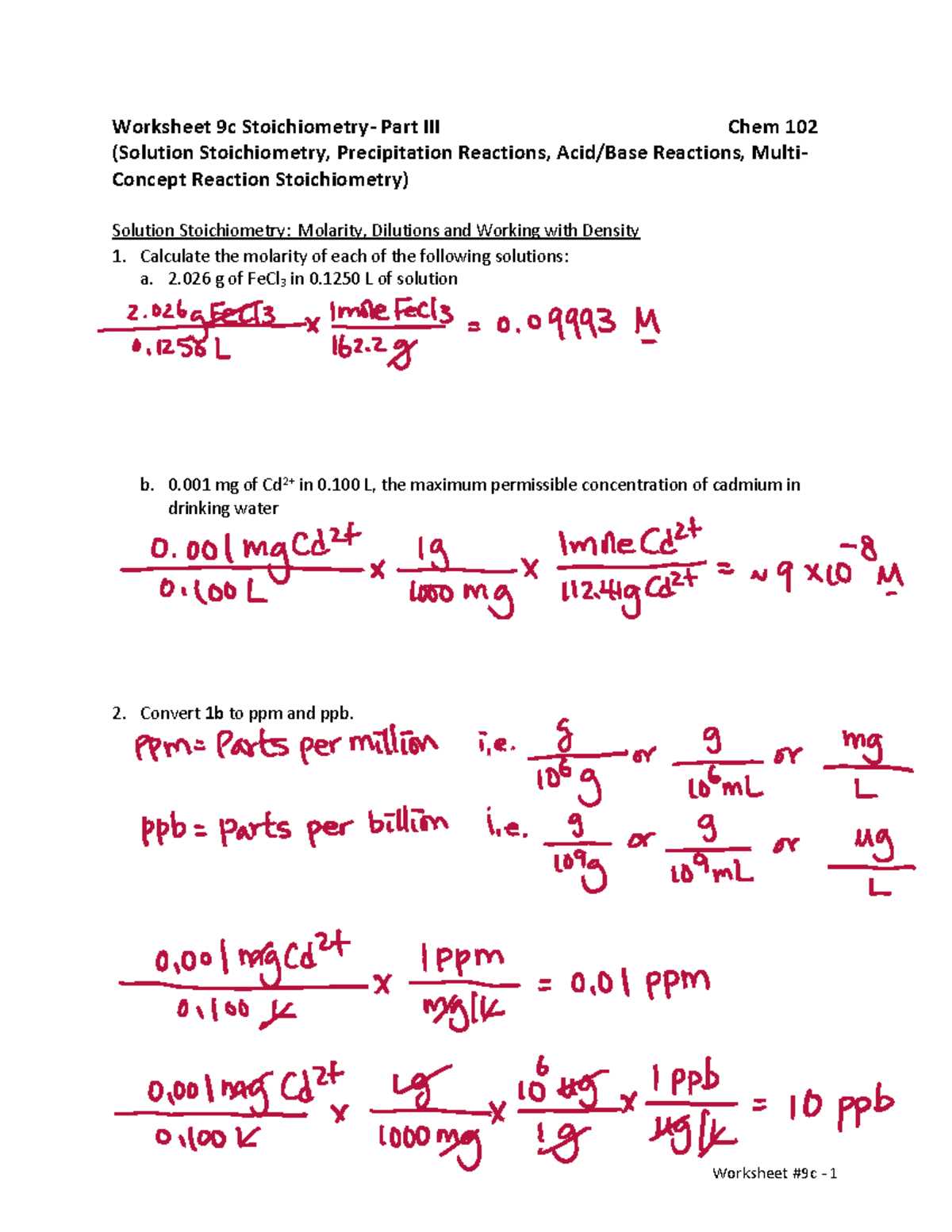
Solutions and Explanations for Basic Stoichiometry Problems
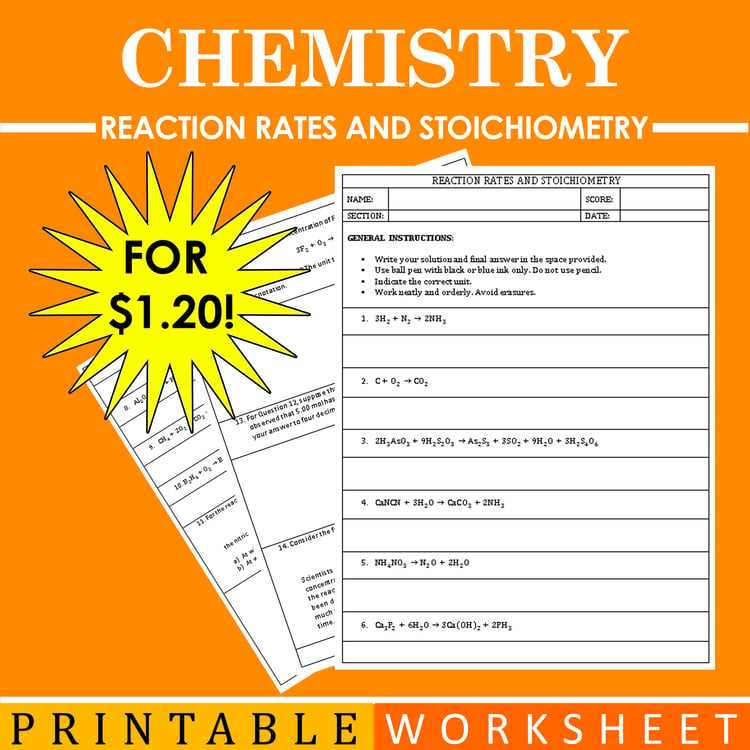
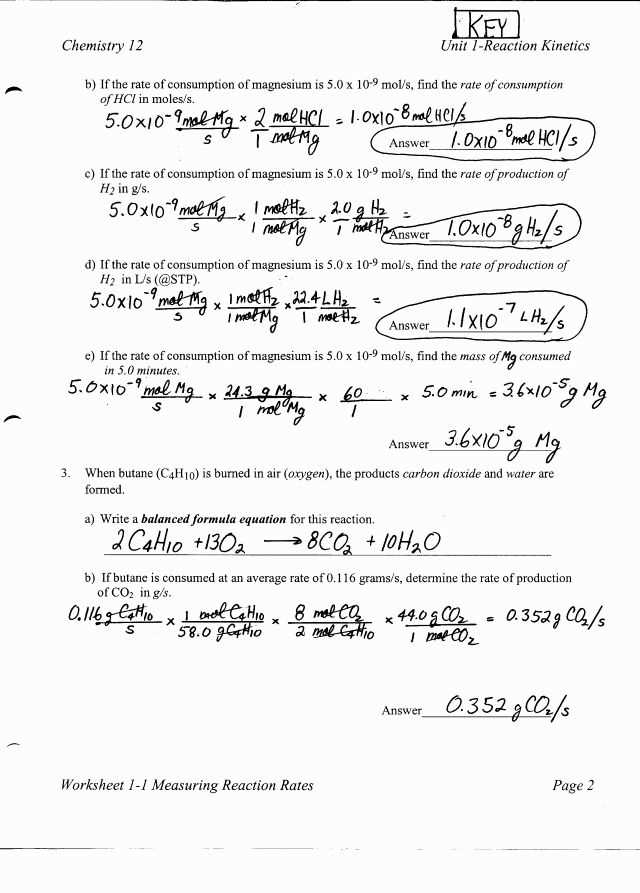
Start by identifying the key relationships between reactants and products in a chemical equation. To solve these types of problems, begin by balancing the equation and ensuring that all atoms are accounted for on both sides. Next, use the molar ratios derived from the balanced equation to convert between different substances. This step is crucial for finding the quantities of reactants or products involved in the reaction.

For instance, if you are asked to determine the amount of one substance needed to react completely with another, the first step is to identify the molar ratio between the two substances. Afterward, apply this ratio to calculate the desired quantity. Keep in mind that careful unit conversion is necessary for accuracy, especially when dealing with grams, moles, or liters.
It’s also important to recognize limiting reactants when working with reactions that involve excess amounts of some chemicals. The limiting reactant dictates the maximum amount of product that can be formed, so understanding this concept will help you avoid overestimating the product yield. By following these steps systematically, you can approach and solve problems with confidence.