Chapter 9 Guide to Cellular Reproduction with Solutions
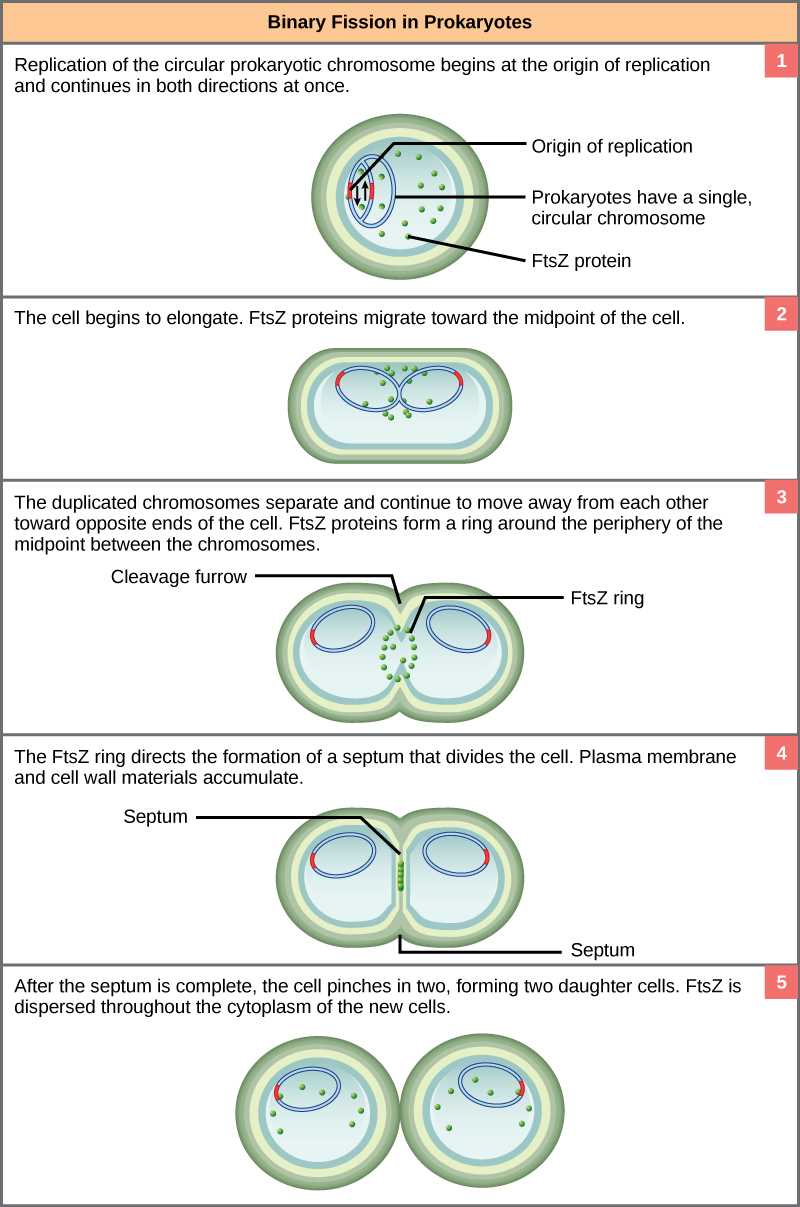
To understand the process of cell division, begin by focusing on the stages of mitosis and meiosis. These two key mechanisms allow organisms to grow, repair, and reproduce. Knowing the phases–such as prophase, metaphase, anaphase, and telophase–helps explain how genetic material is distributed in daughter cells. For meiosis, recognize the importance of reducing chromosome numbers in gametes for sexual reproduction.
Review the function of checkpoints in the cell cycle. These mechanisms ensure that cells divide correctly and prevent errors that might lead to mutations or diseases, like cancer. During interphase, cells prepare by replicating DNA and increasing organelles, setting the stage for division. Pay attention to how each stage is controlled by proteins, as this ensures smooth transitions and proper chromosome separation.
Finally, mastering the differences between somatic cell division and reproductive cell division is essential. Somatic cells divide through mitosis, leading to two identical daughter cells, while gametes form through meiosis, creating genetically diverse cells. Understanding the distinctions is critical in grasping how living organisms maintain genetic stability and diversity.