Why Chinatown Continues to Be Important in Modern Society
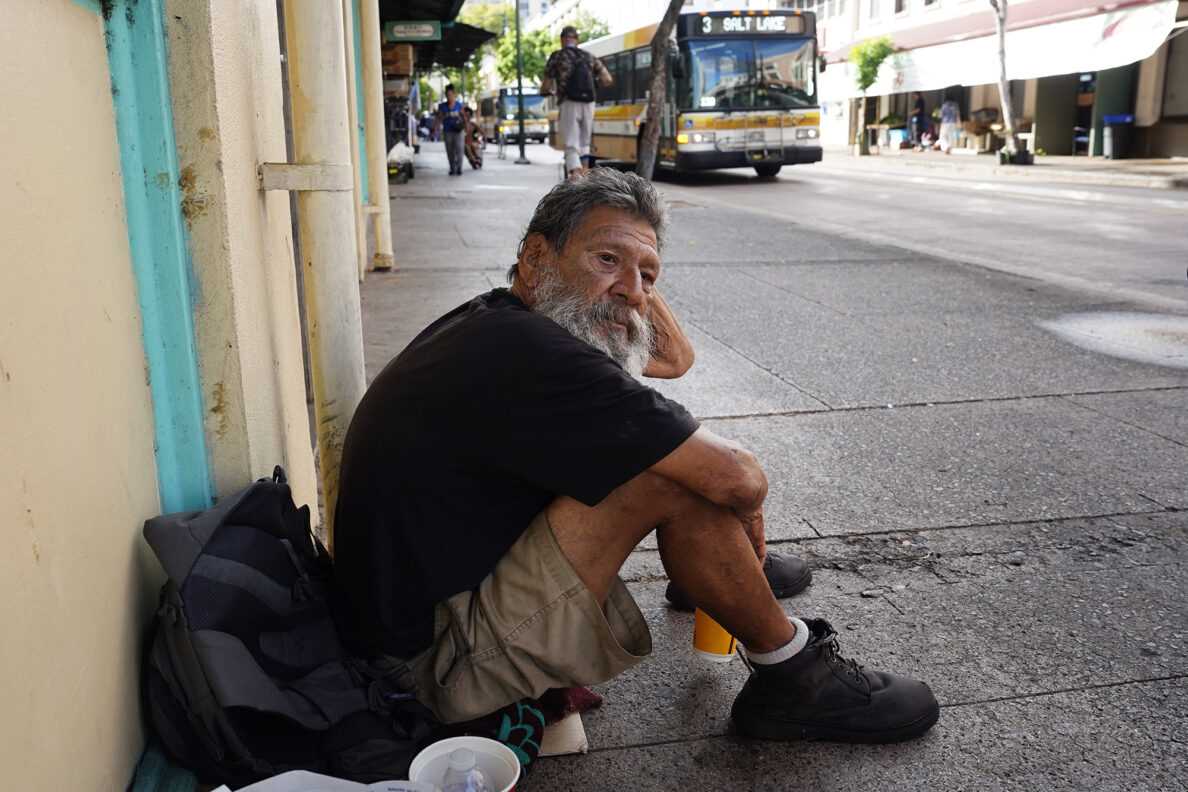
One of the strongest points for preserving historic immigrant districts is their ability to maintain cultural identity while integrating into broader society. The Chinese Cultural District continues to serve as a vital space for people to connect with their heritage, keep traditions alive, and introduce younger generations to their roots. This district is a powerful example of how cultural preservation can thrive in an urban setting.
Not only does this district preserve cultural traditions, but it also contributes significantly to the local economy. Small businesses that cater to both residents and tourists are key drivers of employment and commerce. Local markets, restaurants, and artisanal shops attract visitors from around the world, generating revenue and boosting tourism. It’s clear that these areas are not just cultural hubs but also economic engines.
For immigrant communities, these districts provide vital support systems. They offer a safe space for newcomers, where language barriers and cultural differences are less of an obstacle. These areas serve as an entry point for individuals and families seeking to establish themselves in a new country, offering resources and a sense of community that are hard to find elsewhere in urban environments.
Importance of Preserving Immigrant Cultural Districts
The significance of these culturally rich neighborhoods goes beyond just maintaining heritage. They provide a place where people can engage with their roots while adapting to new surroundings. These communities offer both a home for past generations and a welcoming environment for newcomers, helping them establish a sense of belonging in an unfamiliar place.
These areas play a major role in local economies. Businesses here cater to both residents and tourists, offering unique products and experiences. Local markets, restaurants, and shops create jobs and stimulate commerce, making these districts important drivers of urban economies. Their cultural appeal draws visitors from across the world, supporting the broader tourism industry.
On a social level, they also serve as community anchors. They are safe spaces for people to connect with others who share similar backgrounds, traditions, and experiences. In times of uncertainty or displacement, these areas offer stability, preserving a sense of identity while fostering communal support networks that benefit everyone.
Preserving Cultural Heritage in Urban Spaces
Maintaining the cultural identity of urban areas requires deliberate efforts in both urban planning and community engagement. One effective method is by ensuring that buildings, monuments, and public spaces are preserved or repurposed to reflect the heritage of the area. Local governments should prioritize policies that protect historic sites while integrating modern infrastructure to meet current needs.
Supporting cultural institutions such as museums, art galleries, and cultural centers plays a significant role in preserving traditions. These institutions act as guardians of history, educating both locals and visitors on the customs and stories that shape the identity of the area. Additionally, they provide platforms for artists and cultural practitioners to continue their work and inspire future generations.
Community participation is crucial. Local residents and cultural organizations should be involved in the decision-making process for projects that impact their neighborhoods. Public forums and community events allow for the exchange of ideas, ensuring that the preservation efforts reflect the desires and needs of those who live there.
Incorporating cultural heritage into urban development also enhances the appeal of the area to tourists, bringing economic benefits while creating a unique sense of place. Through careful balance, cities can honor their past while adapting to the future, creating spaces that respect history and offer opportunities for growth.
The Economic Impact of Chinatown on Local Communities
Neighborhoods with rich cultural heritage contribute significantly to the local economy by attracting both tourism and business. These areas serve as vibrant hubs for small businesses, particularly in hospitality, retail, and food industries. Restaurants, markets, and shops offer unique products and experiences that draw both local residents and visitors, fostering a diverse economy.
Chinatown districts often support a variety of entrepreneurial ventures, especially among immigrant populations. These businesses not only provide employment opportunities but also enhance the local tax base, contributing to community services and development. The thriving market for cultural goods and services provides a stable income for small business owners, while also creating a unique tourist experience that generates revenue through hospitality and retail sales.
Moreover, cultural festivals and events organized in these neighborhoods attract thousands of visitors annually, further boosting economic activity. These events bring in tourism revenue, support local vendors, and create job opportunities for event organizers, security staff, and performers. This influx of tourism helps sustain businesses that may otherwise struggle in less tourist-heavy areas.
The local economy also benefits from the exchange of cultural knowledge, with diverse communities sharing skills, traditions, and innovations. This exchange enriches the workforce, creating opportunities for businesses and local artisans to thrive. In the long term, these neighborhoods contribute to the broader urban economy by supporting a diverse and sustainable community ecosystem.
Chinatown as a Hub for Small Businesses and Entrepreneurs
Neighborhoods with a strong cultural foundation offer an ideal environment for small enterprises to thrive. These districts often serve as incubation spaces for local businesses, particularly those owned by immigrant populations. The low cost of entry and the supportive community atmosphere encourage entrepreneurial activity, resulting in diverse retail shops, restaurants, and service-oriented businesses.
Small businesses in these areas tend to focus on culturally specific products, which can attract niche markets while also serving the broader community. For example, ethnic markets, traditional restaurants, and craft stores offer goods that are hard to find elsewhere. This not only sustains cultural identity but also brings in local customers and tourists looking for unique experiences.
Entrepreneurs in these districts benefit from established community networks that help with resource sharing and collaboration. Mentorship and guidance from other business owners create a cooperative ecosystem, where startups can flourish. Additionally, these neighborhoods attract a steady stream of customers due to their cultural significance, giving small businesses a steady customer base without the need for heavy marketing budgets.
These entrepreneurial hubs also play a role in revitalizing urban spaces by repurposing vacant properties and rejuvenating underdeveloped areas. Small businesses bring new life to older buildings, improving the aesthetic value of the district while generating jobs and contributing to the local economy. Over time, this economic activity can lead to increased property values and further investment in the area.
Local governments and organizations can encourage this entrepreneurial growth by providing resources, grants, and access to business incubators that assist with the logistical and financial aspects of running a business. Creating spaces for collaboration, such as co-working environments and business development programs, helps entrepreneurs grow their businesses and integrate into the broader economic fabric of the city.
Promoting Diversity and Multiculturalism Through Chinatown
Cultural districts serve as a focal point for celebrating ethnic diversity and fostering understanding between different communities. The unique offerings of these areas, such as restaurants, markets, and festivals, highlight the richness of global traditions while making them accessible to the broader population. These spaces are not just about preserving heritage but also about sharing it, creating an environment where multiculturalism can thrive.
By promoting cultural exchanges and interactions, these areas help bridge gaps between different ethnic groups. Community events, like cultural festivals and food markets, offer opportunities for local residents to experience customs and traditions that they might not otherwise encounter. This immersion promotes greater empathy, reduces prejudice, and encourages collaboration among diverse groups.
These neighborhoods also serve as platforms for local artists and performers to showcase their talents, reflecting the unique histories and traditions of various cultures. Through art, music, and performance, communities are reminded of the value of cultural diversity and the importance of inclusivity. This creative expression attracts both locals and tourists, providing economic benefits while nurturing a sense of shared cultural pride.
Incorporating the voices and needs of marginalized communities within these spaces further strengthens the promotion of diversity. Local businesses, particularly those owned by immigrants or minority groups, contribute to the creation of a culturally rich atmosphere. Supporting these businesses not only enriches the local economy but also ensures that diverse cultural identities are preserved and respected.
Local governments can play a significant role by offering support through policies that encourage the development of cultural spaces and programs. Incentives for businesses that promote diversity, as well as funding for multicultural events and initiatives, can enhance the visibility and viability of these cultural hubs, ensuring that they continue to be an integral part of urban life.
Chinatown’s Role in Providing Social Support for Immigrants
Neighborhoods with a high concentration of immigrant populations offer critical social support systems that help individuals navigate new environments. These communities provide a safety net, offering guidance on legal matters, employment, housing, and language barriers. In particular, local organizations and businesses within these areas often provide resources that cater to the unique needs of newcomers.
Community centers and nonprofit groups often serve as the first point of contact for immigrants seeking assistance with integrating into society. These organizations provide language classes, job placement services, and legal aid, helping immigrants overcome common challenges. Volunteers and community leaders play a key role in connecting new arrivals with resources and services that help them settle and succeed in their new surroundings.
Local businesses owned by members of immigrant communities often act as informal support networks. These establishments not only offer employment opportunities but also serve as gathering places where newcomers can share experiences and advice. The sense of belonging within these spaces helps reduce feelings of isolation and builds solidarity among residents facing similar challenges.
In addition to practical support, social connections within these communities offer emotional benefits. Social networks formed in these areas can provide immigrants with emotional security, reducing stress and anxiety related to adjusting to life in a new country. Celebrating cultural traditions and holidays together fosters a sense of shared identity and pride, promoting a supportive environment where individuals feel empowered to thrive.
Government policies can amplify the role of these communities by providing funding for community-based programs that support immigrants’ integration. Enhancing access to healthcare, education, and legal services, particularly for low-income immigrants, ensures that these communities continue to be a source of strength and resilience for their residents.
Tourism and the Continued Appeal of Chinatown
The attraction of these neighborhoods remains strong due to their unique cultural offerings. Visitors are drawn to the rich history, vibrant traditions, and authentic cuisine that offer a window into another world. Local markets, temples, and festivals provide immersive experiences that can’t be found elsewhere, contributing to the area’s lasting appeal.
Restaurants serving traditional dishes, many of which have been passed down through generations, continue to draw tourists seeking authentic flavors. These establishments offer much more than meals–they provide a cultural experience, from the food to the ambiance and the stories shared by the owners. As tourists increasingly seek out authentic, culturally rich experiences, these eateries continue to be a prime attraction.
Specialty shops selling imported goods, textiles, and crafts also contribute to the area’s allure. These stores offer a variety of items that reflect the cultural heritage and craftsmanship of the community, attracting both tourists and locals alike. Unique souvenirs and traditional artworks become tangible memories of the visitor’s experience, further encouraging repeat tourism.
Festivals and cultural events are another significant draw for tourists. Celebrations such as Lunar New Year, Moon Festival, and traditional dragon dances offer visitors an opportunity to witness firsthand the practices and rituals that define the culture. These events not only attract tourists but also promote an appreciation for the heritage and practices of the community, fostering a deeper connection between visitors and the local culture.
Urban renewal efforts and preservation projects help to maintain the visual and cultural identity of the area, ensuring that future generations of visitors can enjoy the same experiences. By maintaining traditional architecture, public spaces, and cultural centers, these areas remain vibrant and relevant in the tourism sector.
The Political Influence of Chinatown in Urban Development
Local political decisions often reflect the presence and needs of these neighborhoods. Politicians in areas with large immigrant populations tend to address issues like affordable housing, cultural preservation, and local business support to maintain political backing. Advocacy from community leaders ensures that the voice of the area is heard in urban planning meetings, often influencing key decisions on zoning laws and property development.
Representation within city councils and planning commissions allows these communities to exert influence over policies that affect their growth. Leaders from these neighborhoods actively push for policies that prevent displacement, promote economic opportunities for small businesses, and secure investments in public infrastructure.
Neighborhood councils and community advocacy groups provide a platform for citizens to voice concerns. These organizations play a crucial role in organizing protests or lobbying city governments, particularly when redevelopment projects threaten to undermine the cultural fabric of the area. Their ability to mobilize large numbers of residents and allies is a testament to their political power.
At the federal level, national political movements supporting immigrant rights often align with local efforts to ensure the community’s growth and success. For example, movements advocating for better healthcare access or immigration reform often receive grassroots support from these areas, highlighting their role in broader political dialogues.
The continued presence of these communities in urban centers also affects policies related to tourism and urban renewal. Preservation of historical landmarks and the recognition of cultural districts help to protect the economic and social influence these areas maintain. This political pressure ensures that developments reflect a balance between modernization and cultural preservation, benefiting both long-time residents and newcomers alike.
Challenges Facing Chinatown Communities in the Modern Era
The rapid pace of urban development poses significant challenges for many neighborhoods that are rich in history and culture. Immigrant communities, particularly in older districts, face the risk of displacement as property values rise and gentrification increases. This often leads to a loss of cultural identity as new developments replace traditional spaces that have long served as cultural hubs.
Another key challenge is the generational gap. While older generations continue to uphold cultural traditions, younger residents often leave the area in search of better job opportunities and living conditions, leading to a decline in the local population. This outmigration creates a situation where there is a lack of young people to sustain local businesses, which rely on foot traffic and community support.
Access to affordable housing is another significant issue. As neighborhoods like these are increasingly targeted for redevelopment, rents and property prices skyrocket, making it more difficult for long-time residents to remain in the area. The increase in housing costs often pushes families out of their homes and limits the ability of newer generations to settle near their families and communities.
Small businesses are under increasing pressure from large retail chains and online shopping. Many local shops, which are integral to maintaining the economic structure of the area, are struggling to compete with the convenience and pricing of larger corporations. This economic shift can result in the closure of family-owned businesses, further eroding the community’s ability to thrive.
Finally, the rise of anti-immigrant sentiment and discriminatory policies across many regions adds another layer of difficulty. Immigrant communities are often marginalized and face additional barriers when trying to access social services, education, and healthcare. Legal challenges and a lack of support for non-English-speaking individuals can make it harder for residents to navigate the system.
For more information on the challenges faced by immigrant communities and ways to address these issues, visit Migration Policy Institute.