Analysis of Enslaved Peoples in Colonial America and Their Impact
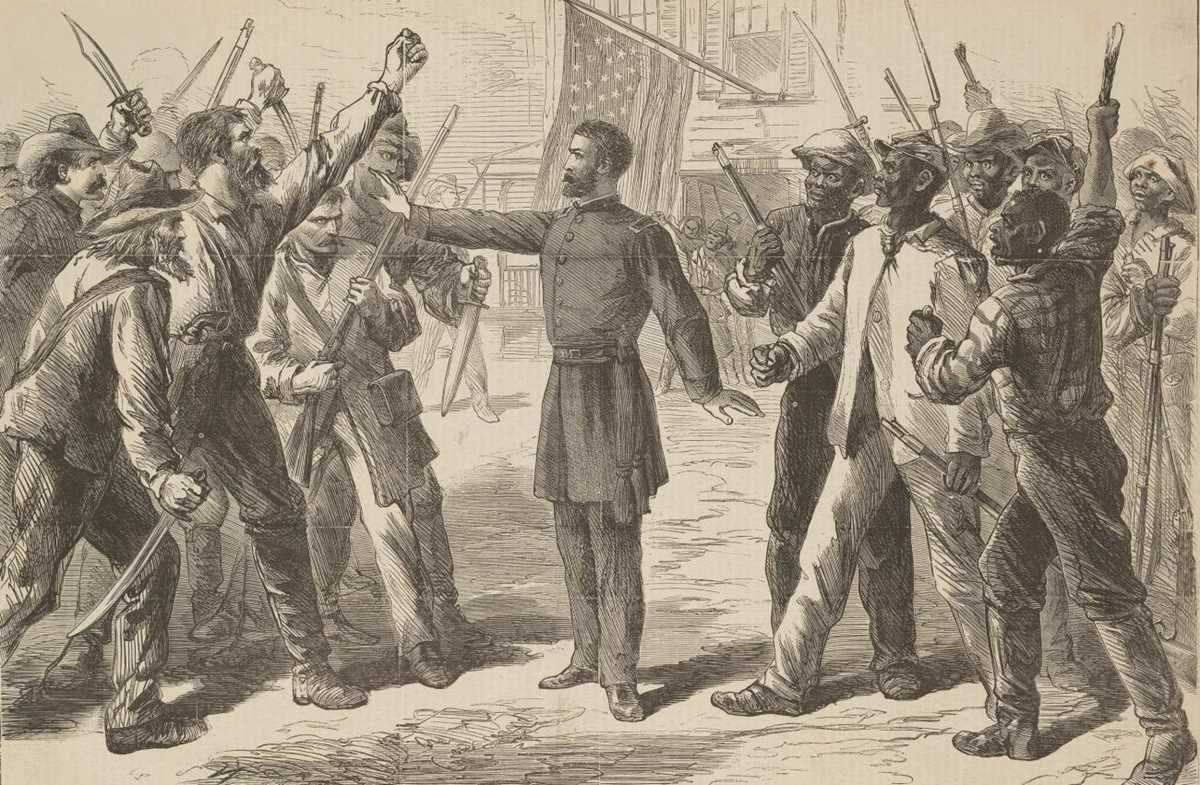
Understanding the roles of African individuals forced into servitude during early U.S. history is crucial to grasp the full scope of the nation’s development. These individuals were not only laborers but also central to the economies that flourished in southern and certain northern colonies. The reliance on this labor shaped everything from the agricultural industry to societal structures that persist today.
The demand for labor in agricultural sectors like tobacco, cotton, and sugar created an environment where forced labor was seen as indispensable. Knowledge of specific labor practices, living conditions, and the efforts to resist or adjust to their circumstances provides a clearer picture of the broader historical context. The conditions faced by these individuals also paved the way for the creation of cultural identities, religious practices, and survival strategies that would later contribute to the resistance against systemic oppression.
Studying the various methods used to maintain power over enslaved people can shed light on the depth of institutional control that was maintained in both public and private life. Laws and enforcement policies meant to break resistance were matched with the resilience and ingenuity of those who lived under these harsh conditions. Their efforts towards survival, though often overlooked in traditional narratives, were essential in shaping the path towards emancipation and civil rights movements.