Feudalism and Holy Roman Empire Solutions and Insights
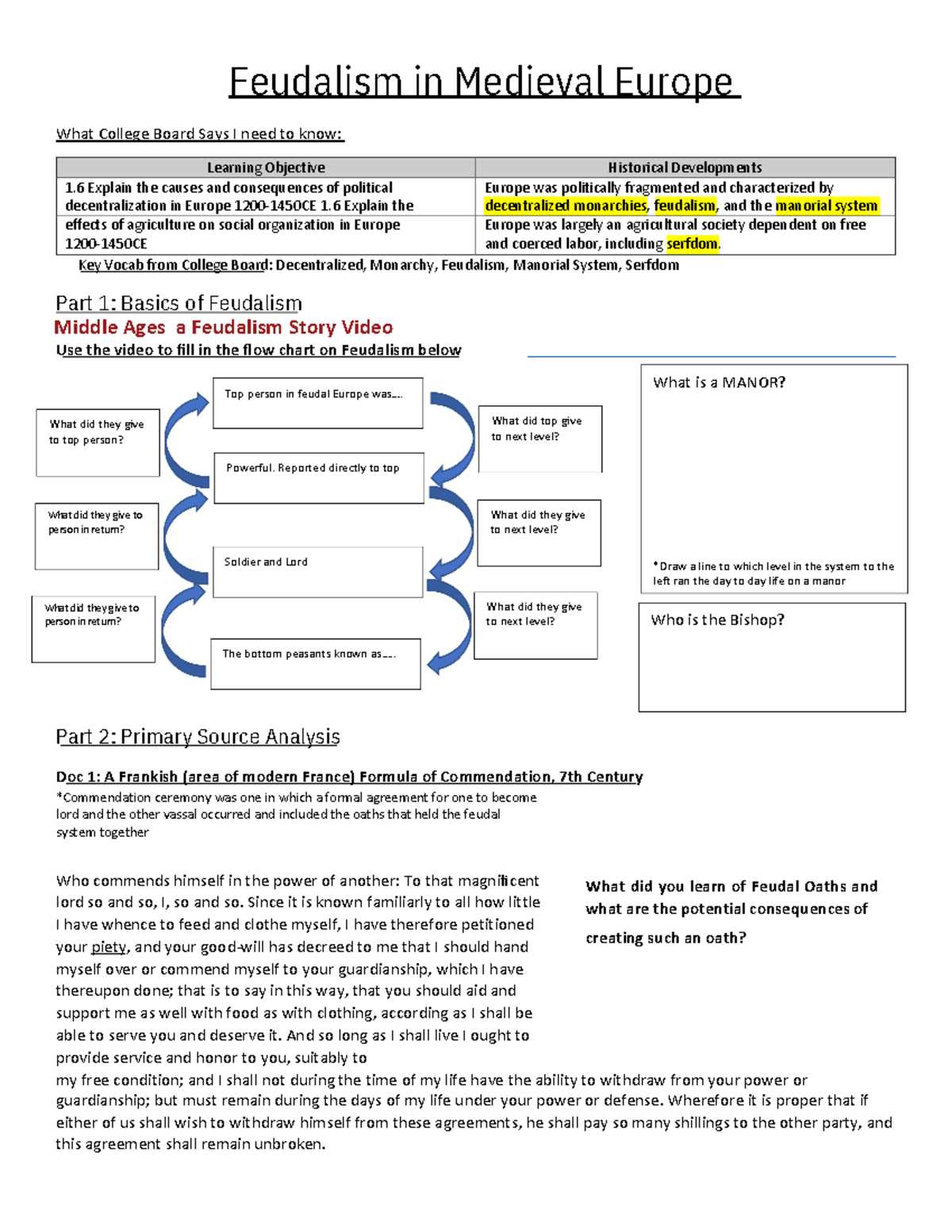
Identify the key structure: To fully understand the system of land ownership and hierarchical authority, it’s important to focus on the relationships between different social classes. Lords, vassals, and serfs played pivotal roles, with land being exchanged for military service or protection. The rise of local rule and the decentralized nature of governance made it vital to understand each group’s responsibilities.
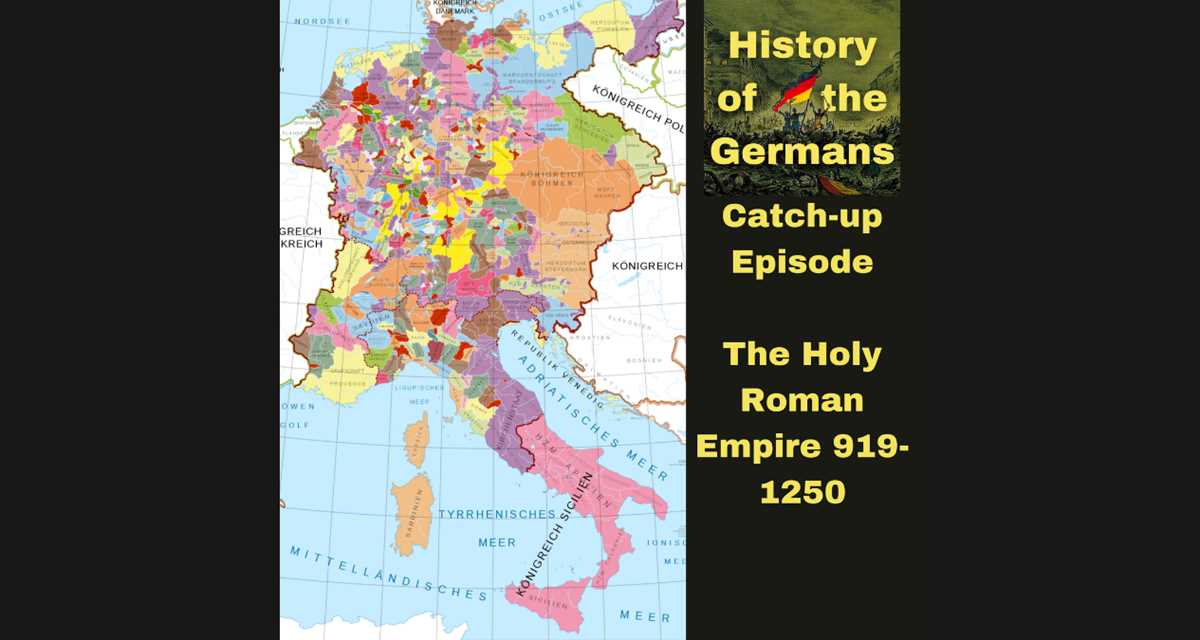
Review of power distribution: Power was largely distributed through grants of land and military alliances, creating a network of obligations. This form of governance allowed local leaders to control their own territories while owing allegiance to a higher authority, typically a monarch. Analyzing the relationship between these authorities will clarify how political influence was maintained.
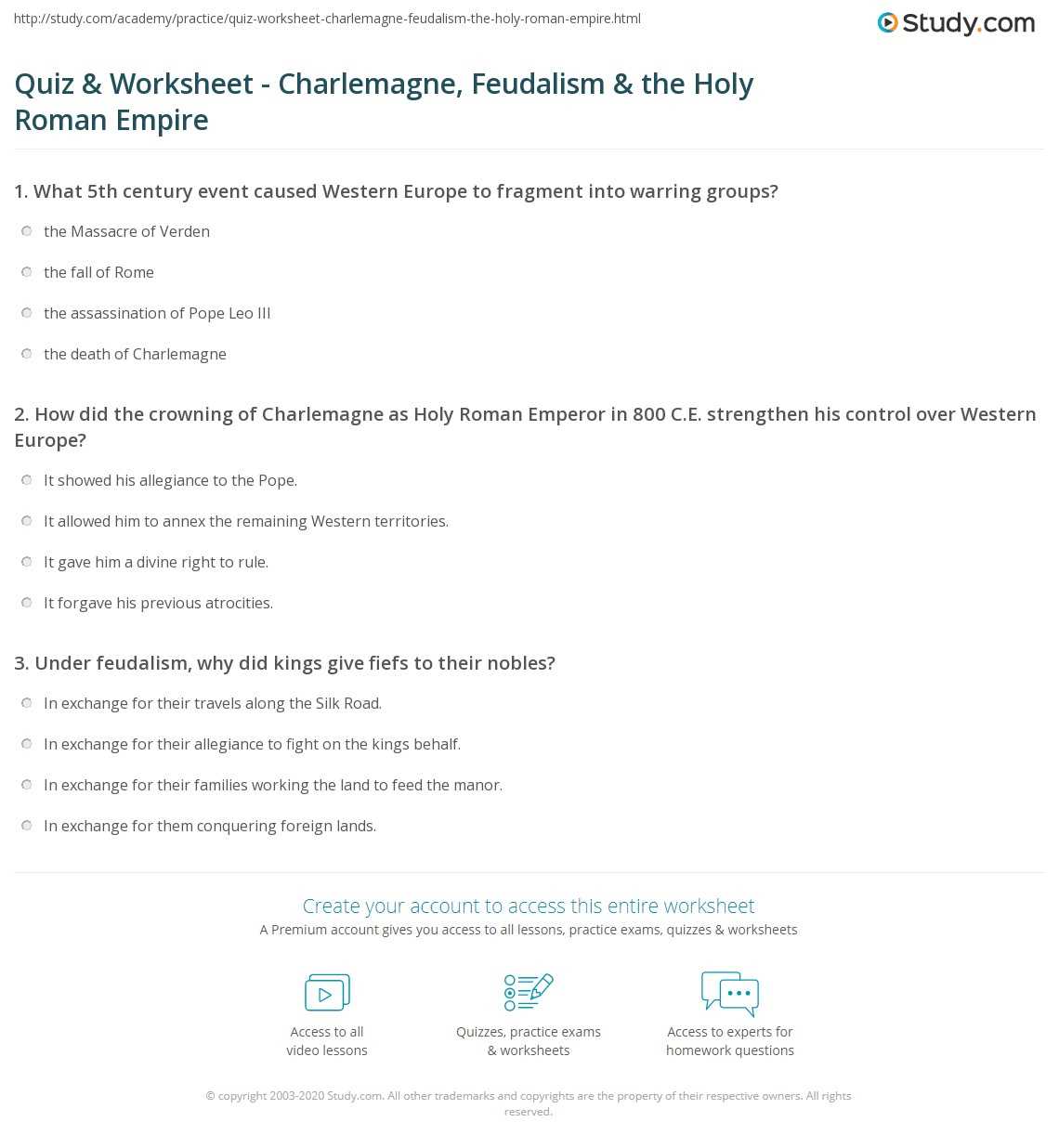
Key historical figures and their roles: Understanding the roles of significant rulers or figures in this period is crucial. Figures such as emperors, kings, and knights shaped the course of history by establishing their dominance over vast territories. Reviewing their decisions helps clarify how their authority impacted the people under their rule.