Complete Guide for Wildlife Identification in Today’s Hunter Curriculum
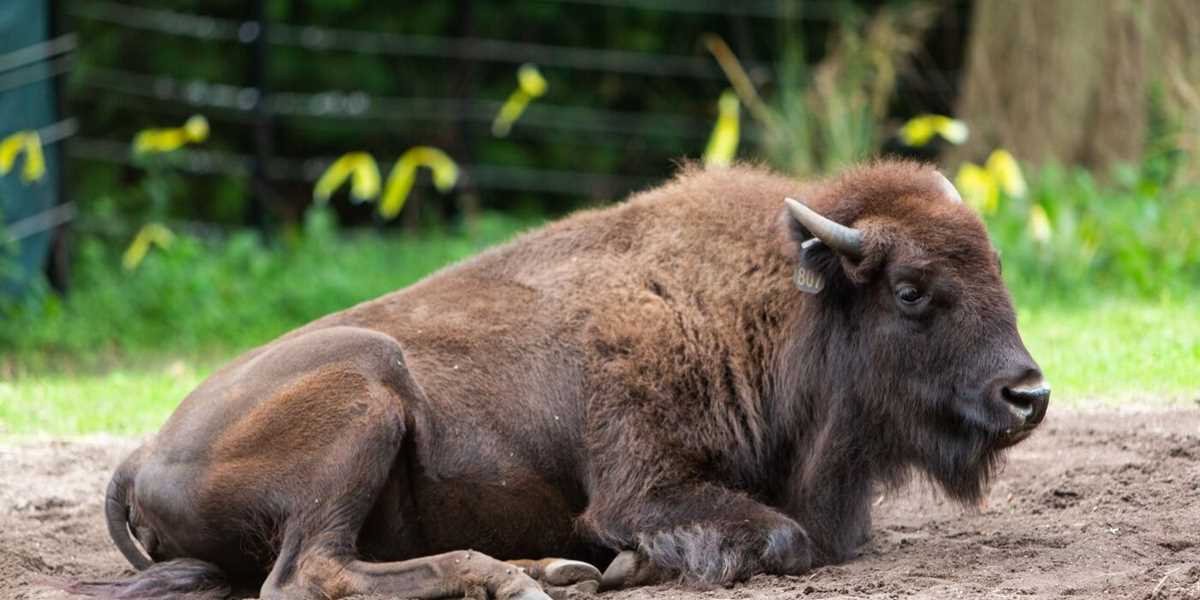
Learn to identify species by studying distinct physical features. Pay attention to characteristics such as size, shape, markings, and behavior. Observing these traits consistently will enhance your ability to distinguish between different animals, even in challenging environments.
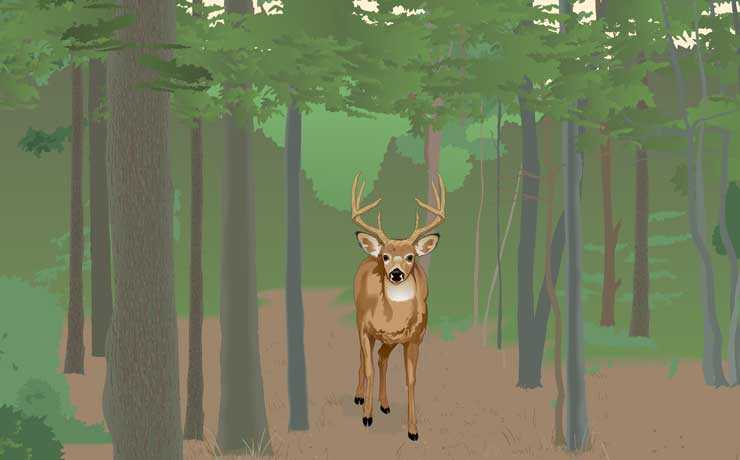
Use local habitats as a reference point for recognizing animals. Understanding where certain species thrive–whether in forests, fields, or wetlands–helps narrow down the possibilities. Researching local ecosystems will provide valuable context for better identification in the field.

Improve your skills by comparing similar animals. Some creatures share similar traits but differ in key ways. Cross-checking your findings with reliable resources and using process-of-elimination techniques will boost accuracy during each encounter.
Maintain a journal to track your experiences and findings. Documenting species you’ve encountered, along with their behaviors and locations, can serve as a helpful reference for future outings. Consistent practice will gradually improve your recognition abilities over time.