Study Guide for Identifying Habitable Planets with Detailed Answers
If you are working on understanding the conditions that allow a celestial body to support life, start by focusing on key characteristics such as distance from its star, atmospheric composition, and surface conditions. These factors play a crucial role in determining whether an exoplanet can sustain life forms similar to those on Earth.
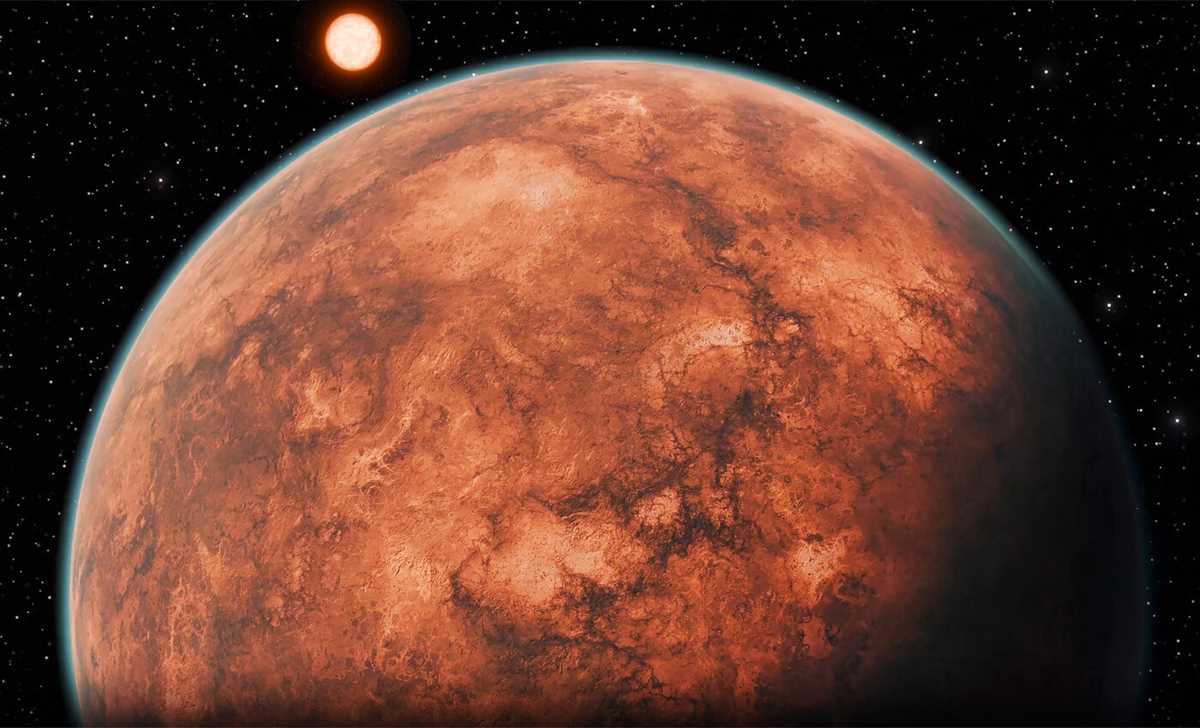
The distance from the star is a fundamental criterion. A planet located within the “Goldilocks Zone,” where temperatures are suitable for liquid water to exist, significantly increases its potential for habitability. Other vital aspects to consider include the planet’s atmosphere, which must have the right balance of gases to support life, and the presence of a stable climate.
In addition, understanding the planet’s geological features, such as plate tectonics or magnetic fields, can help in determining whether it has the necessary conditions to foster life. Learn to identify these characteristics with the help of well-researched resources and practice exercises designed to reinforce key concepts.