Understanding the Science Behind Appetite and Hunger
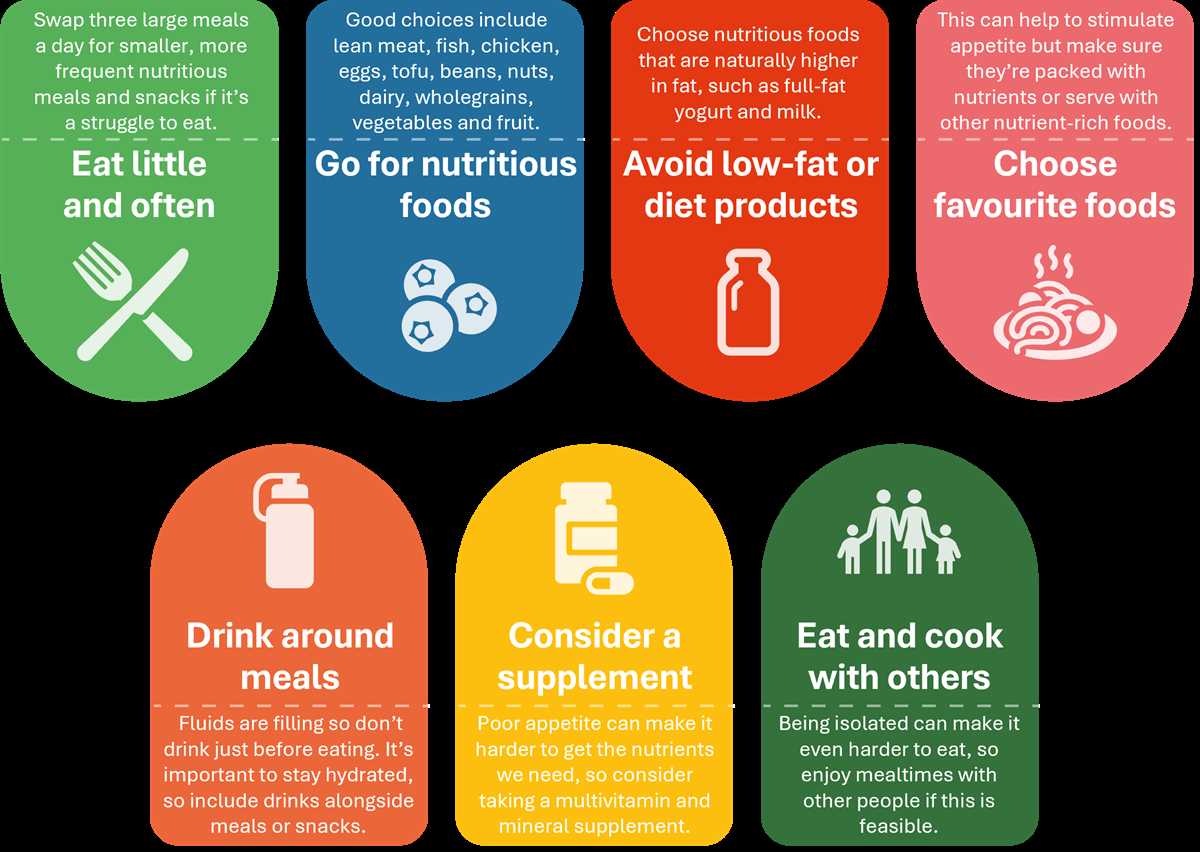
Focus on regulating your hunger cues by understanding the biological processes that trigger the sensation of needing food. Hunger is not just about feeling empty; it’s driven by intricate hormonal signals and the body’s need for energy. To manage this, start by recognizing the key hormones involved, such as ghrelin, which stimulates the desire to eat, and leptin, which signals satiety once you’ve had enough. Adjusting your eating habits to synchronize with these signals can help you maintain a balanced diet.
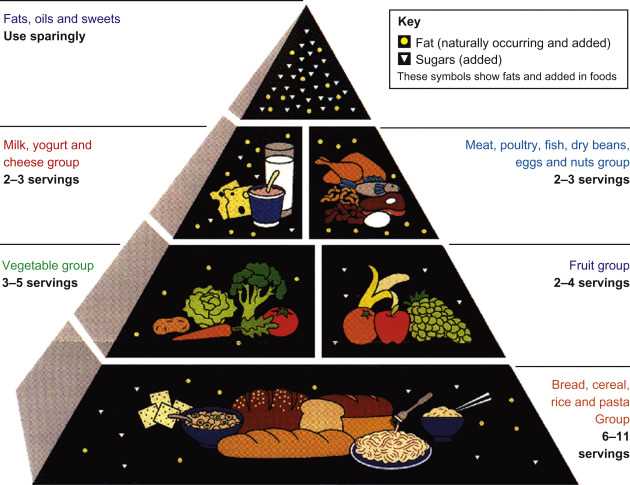
Consider factors that influence cravings–external factors like stress, sleep deprivation, and emotional states can distort hunger signals. By creating a routine that aligns with your body’s natural rhythms, you can reduce the chances of overeating or giving in to emotional triggers. This strategy not only helps with maintaining energy levels but also supports overall well-being.
Leverage nutrient timing and portion control to fine-tune your intake. Eating at regular intervals and focusing on nutrient-dense foods can stabilize blood sugar levels, reducing sudden cravings. This method can also enhance your energy throughout the day, while preventing overconsumption and ensuring your body gets the fuel it needs.