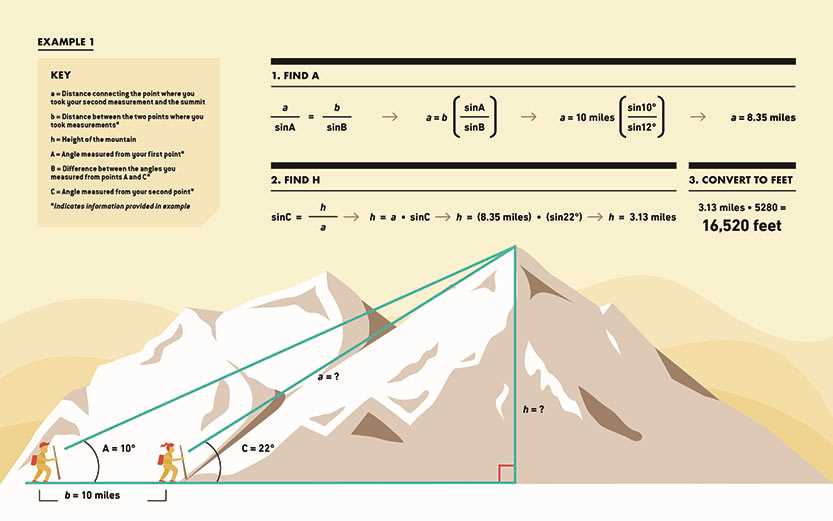
Key Steps for Determining Temperature Changes with Altitude
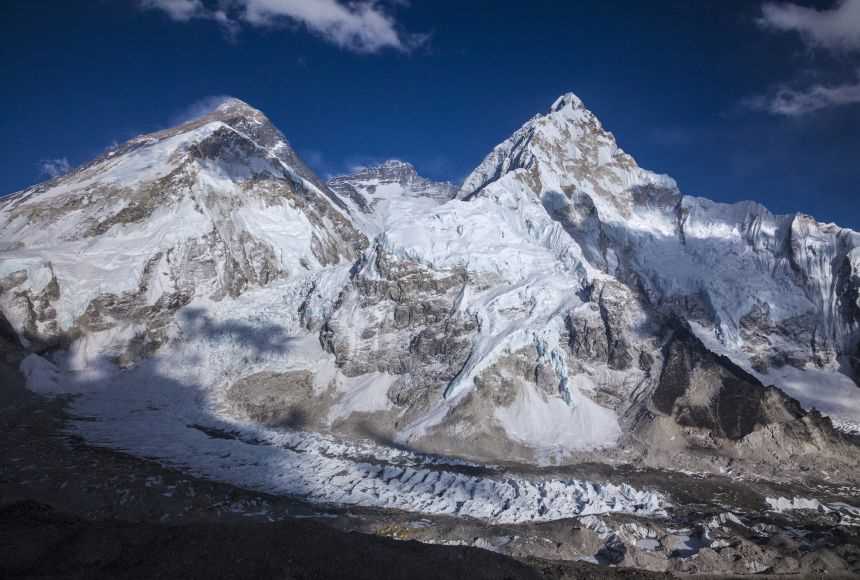
First, to calculate the effect of rising above sea level on air warmth, use the standard lapse rate of 6.5°C per kilometer. This rate is generally reliable for most areas, except where localized weather conditions or extreme altitudes apply. As you move higher, air density decreases, and this directly correlates with reduced energy retention, which results in a drop in heat.
Next, consider atmospheric pressure at varying elevations. For every 100 meters gained in height, there is roughly a 1 hPa reduction in pressure. This contributes to the cooling process since less dense air holds less heat energy. Knowing the starting point of your ascent, you can apply this principle to estimate temperature shifts for any given height.
Lastly, remember regional variations. While the lapse rate holds as a general rule, some areas experience different gradients due to specific geographic and seasonal factors. For example, mountainous regions may have more complex thermal behavior due to wind patterns or ocean currents that influence local climates.