Ecological Pyramids Worksheet Solutions and Explanations
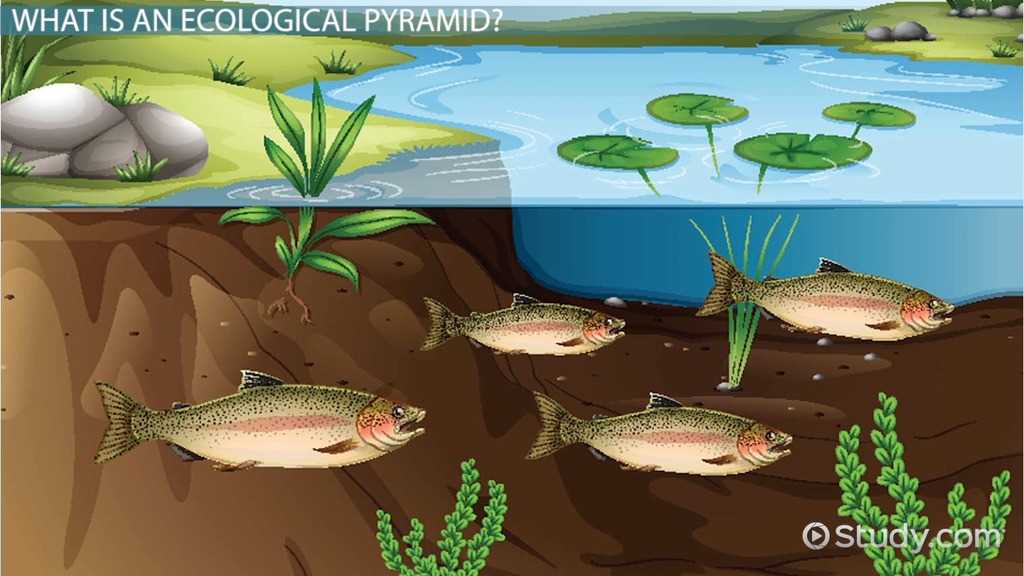
Step 1: Analyze the distribution of energy across different levels in an ecosystem. Start by identifying the primary producers, as they form the foundation of any energy pyramid. The amount of energy transferred at each level will be key to solving related questions.
Step 2: Study the role of consumers in the transfer of energy. Herbivores, omnivores, and carnivores occupy different levels in the food chain, with each level receiving a fraction of the energy from the level below. Understanding this transfer is crucial for completing any analysis involving energy efficiency or biomass distribution.
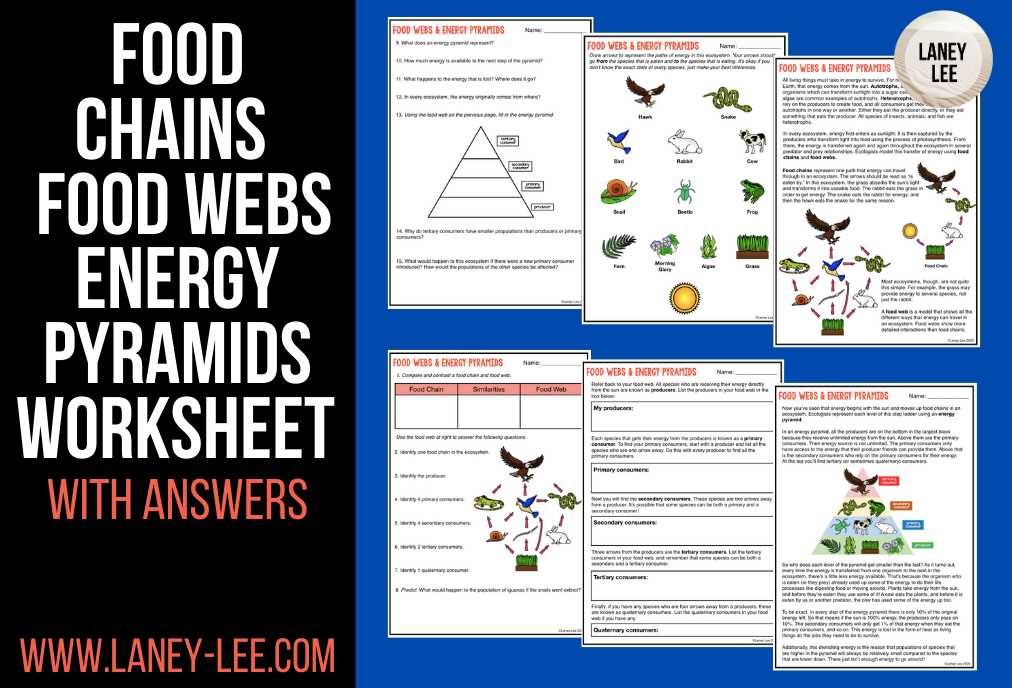
Step 3: Pay close attention to the energy loss at each trophic level. Approximately 90% of energy is lost as heat, with only about 10% passed to the next level. This principle will help you interpret and solve most of the questions related to energy efficiency in ecosystems.
Step 4: Understand the relationship between biomass and energy. Biomass decreases as you move up the pyramid, which is essential when evaluating the energy structure of an ecosystem. Ensure that you can explain how this loss affects the stability of food webs.
By carefully reviewing the structure and energy dynamics in food chains, you’ll gain the necessary insights to tackle problems about energy flow and organismal roles in various ecological systems.