Solutions for Lesson 6.3 Naming and Formulas of Ionic Compounds
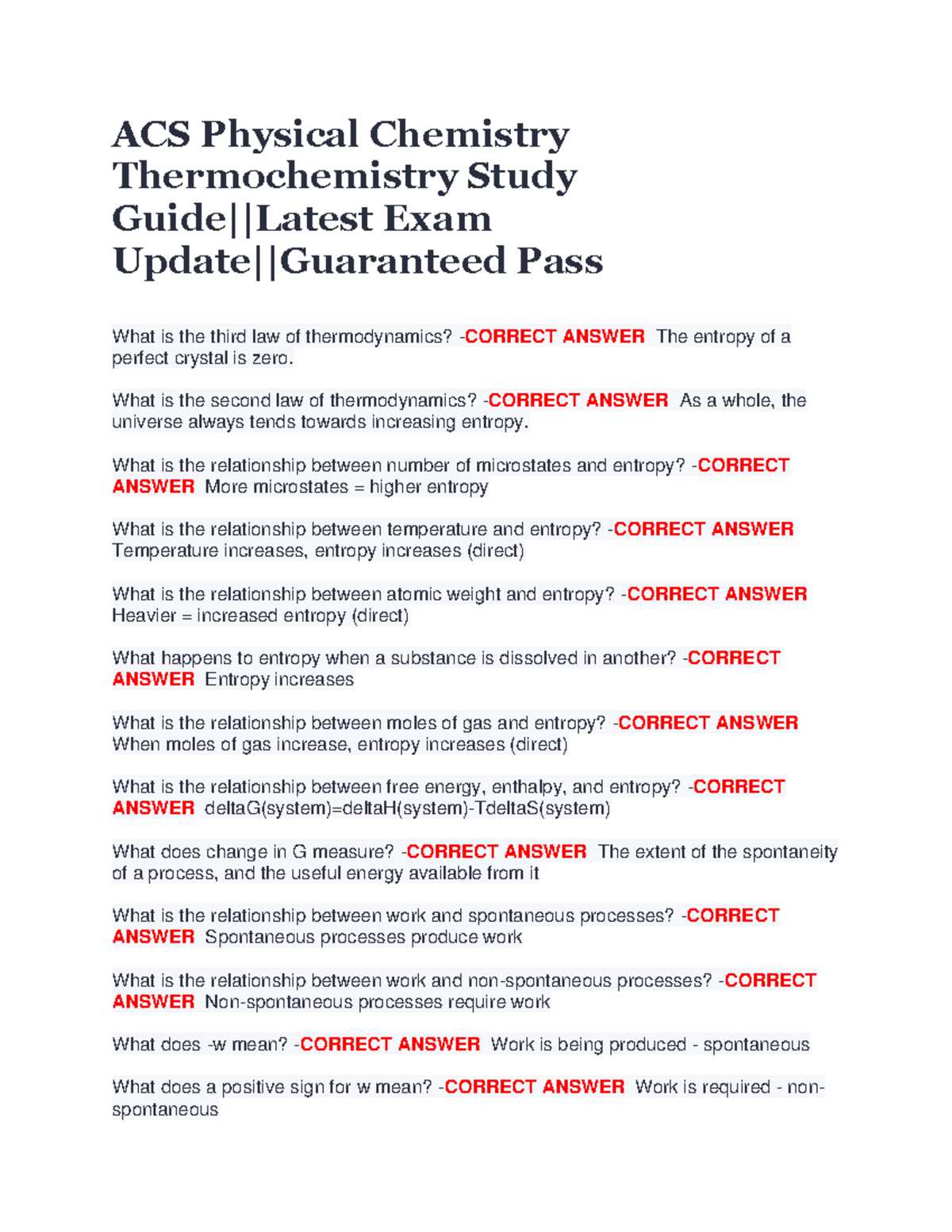
To begin, carefully identify the charges of the ions involved. For example, a metal ion will often have a positive charge, while a non-metal ion will have a negative charge. The total charges of the ions must balance out in the final formula, so this step is critical for accuracy.
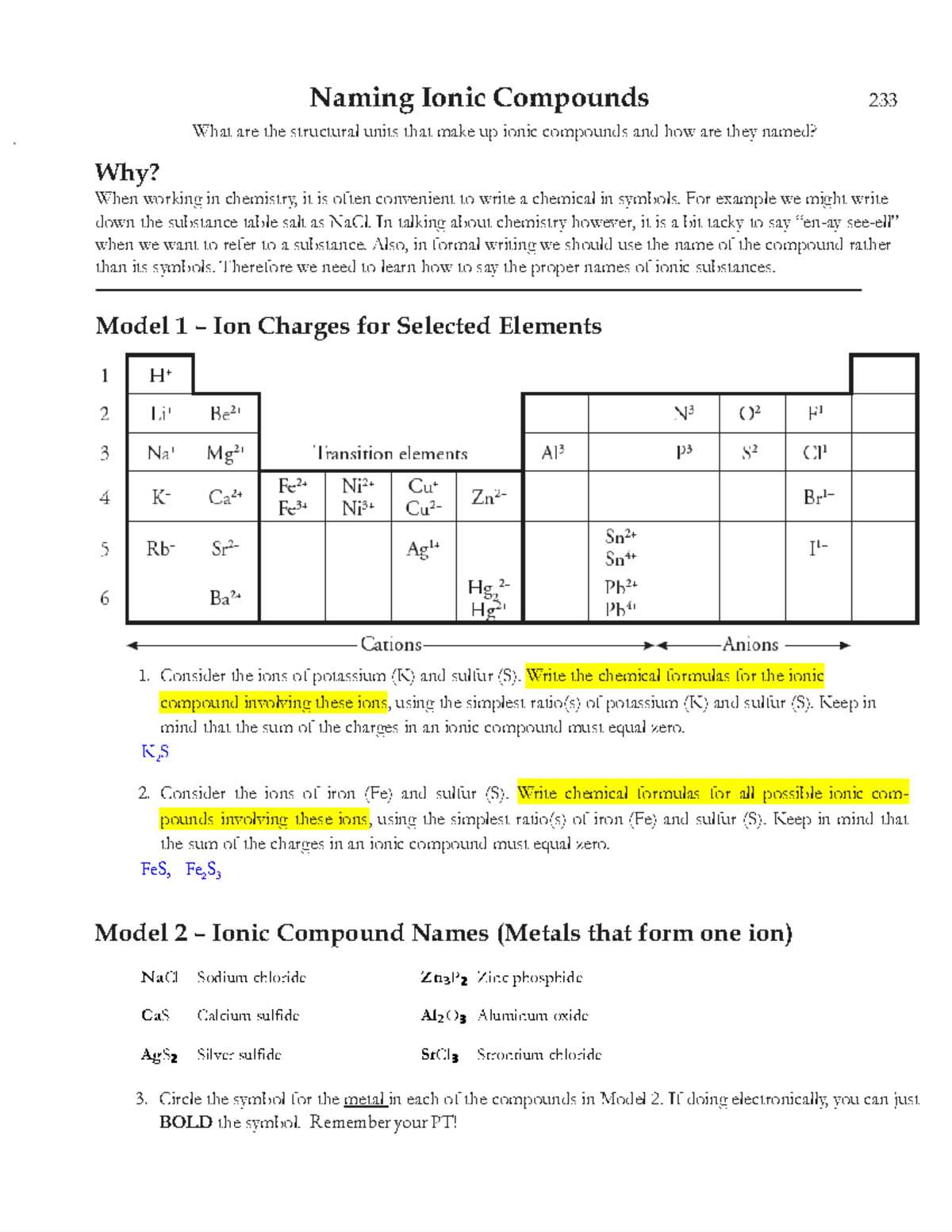
Next, focus on determining the correct ratio of ions in each combination. The ratio is based on the charges of the ions involved. If the charges of the ions do not directly cancel each other out, use the lowest common multiple to determine the simplest whole number ratio.
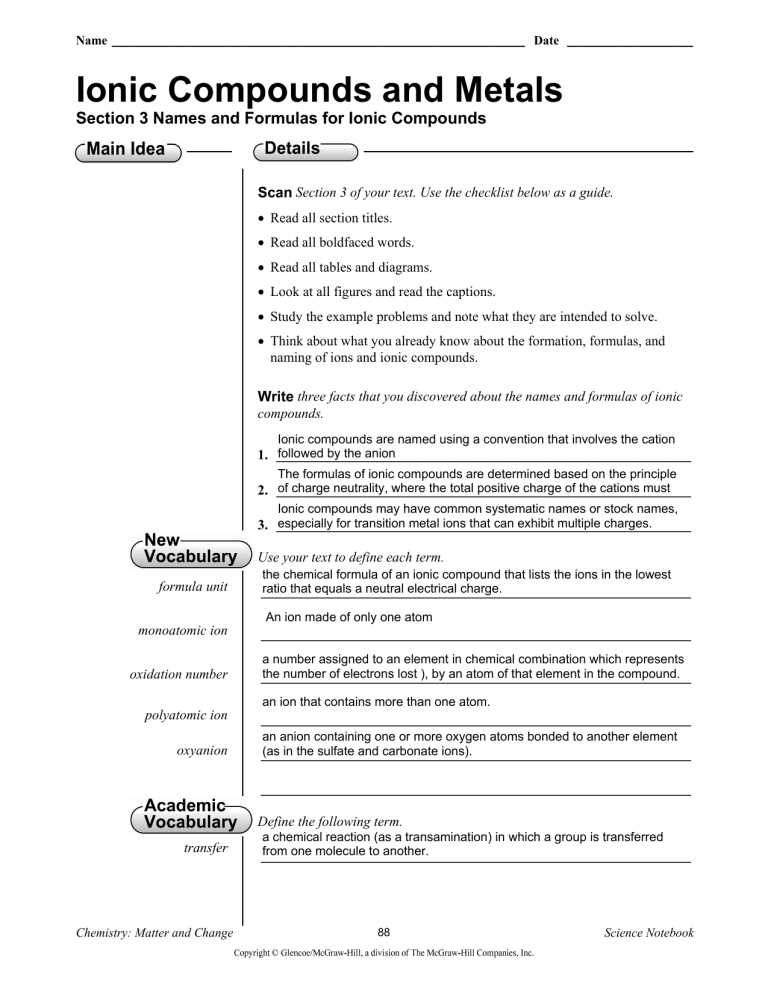
When naming the resulting substance, always ensure that the metal ion is listed first, followed by the non-metal. If the metal can form more than one charge, specify the charge in parentheses after the metal’s name. For example, iron(III) chloride refers to iron with a +3 charge combined with chloride ions.
Lastly, ensure that all formulas are simplified to their lowest terms. Double-check the number of atoms of each element and confirm that the formula reflects the correct ionic balance between positive and negative charges.