Detailed Guide for Interpreting the Lactose Intolerance Case Study Answers
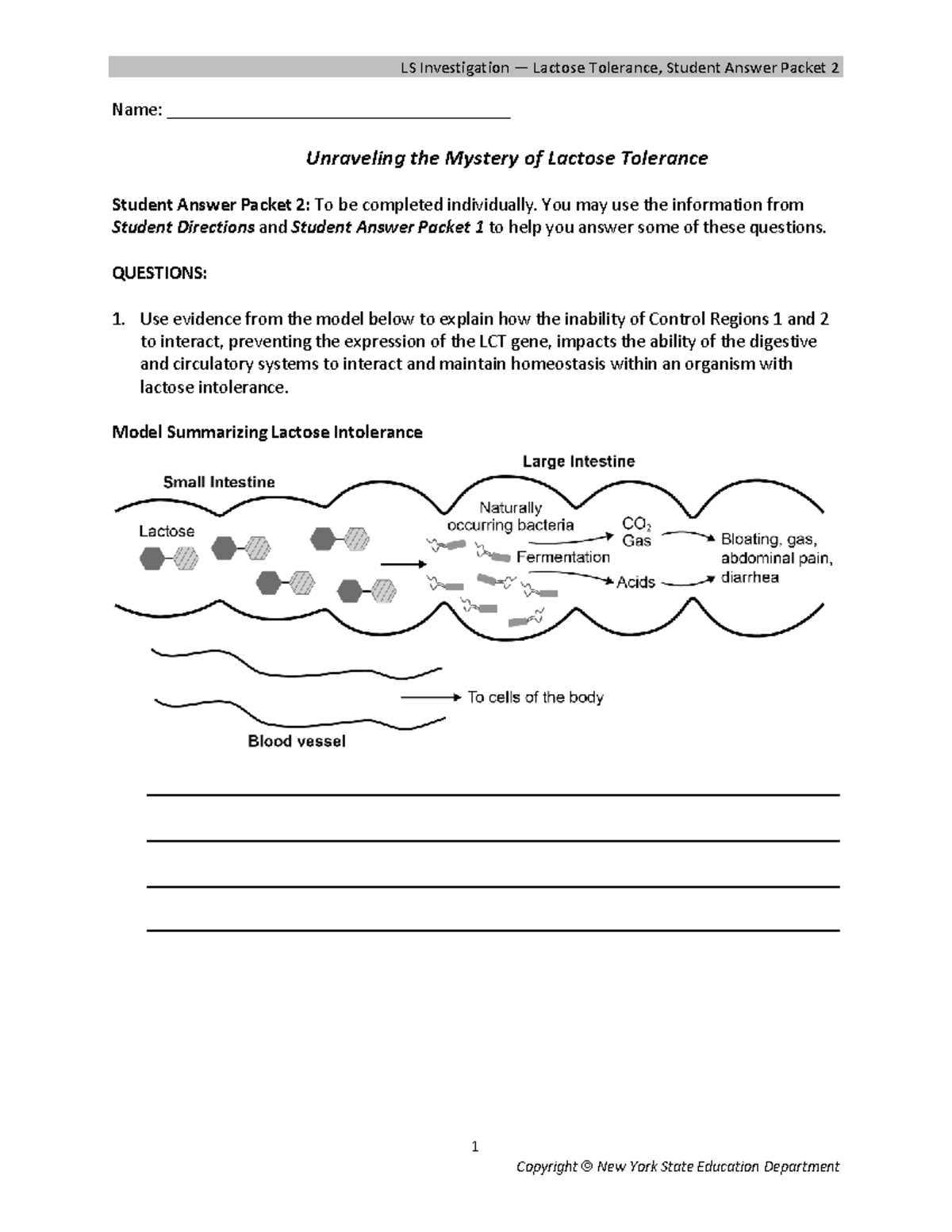
Confirm digestive malfunction by prioritizing hydrogen breath readings taken 90–120 minutes after a controlled dairy load; elevated values above 20 ppm typically indicate reduced enzyme action. This metric provides a direct benchmark for distinguishing normal absorption from symptomatic responses.
Strengthen the interpretation by comparing symptom timing with recorded dietary intake. Bloating or rapid bowel movement within two hours of consuming dairy-rich items strongly supports a deficit in the enzyme responsible for milk-sugar breakdown. Use these time-linked cues to differentiate sensitivity from unrelated gastrointestinal issues.
Support your conclusion with genetic markers tied to enzyme persistence. Variants such as −13910*T in the MCM6 region often correlate with stable enzyme function, while alternative alleles may indicate reduced capacity. Incorporating this data helps align observed reactions with underlying biological factors.
Guided Interpretation of a Digestive-Enzyme Scenario
Rely on combined breath-test data and symptom timing to identify reduced milk-sugar breakdown. Elevated hydrogen values above 20 ppm within two hours after dairy intake should be matched with reported discomfort to validate the pattern.
Use the table below to align common findings with their physiological meaning. This structure helps verify whether the digestive response reflects enzyme shortage or an unrelated gastrointestinal trigger.
| Observed Metric | Typical Threshold | Interpretation |
|---|---|---|
| Hydrogen breath rise | >20 ppm after dairy load | Indicates reduced enzymatic processing |
| Symptom onset | Within 30–120 minutes | Supports correlation with milk-sugar malabsorption |
| Genetic variant (MCM6 region) | Non-persistent allele | Suggests lower long-term enzyme production |
| Glucose levels | Stable after dairy ingestion | Rules out issues tied to blood-sugar absorption |
Combine these indicators to reinforce your conclusion, prioritizing objective metrics before symptom-based interpretation.
Diagnostic Indicators Used to Identify Lactase Deficiency
Rely on hydrogen breath readings above 20 ppm within two hours after a controlled dairy load, as this pattern consistently reflects impaired milk-sugar processing linked to enzyme shortfall.
Use stool acidity testing for infants, where pH values below 5.5 combined with elevated reducing substances confirm incomplete carbohydrate breakdown in the lower gut.
Apply genetic screening of the MCM6 regulatory region to determine whether the individual carries variants associated with reduced long-term enzyme output, ensuring the result aligns with clinical findings rather than relying on symptoms alone.
Include intestinal biopsy data only when other methods remain inconclusive; enzyme activity below established laboratory reference ranges provides direct biochemical confirmation of reduced disaccharide digestion capacity.
Interpreting Symptom Patterns After Controlled Dairy Intake
Track abdominal discomfort emerging within 30–90 minutes after ingestion of a fixed dairy dose, as this timing helps distinguish delayed fermentation responses from unrelated digestive issues.
Record stool frequency and consistency changes during the following eight hours; loose output paired with increased gas release typically signals reduced disaccharide handling in the small intestine.
Measure bloating intensity using a 0–10 scale at fixed intervals, allowing comparison with hydrogen breath values or genetic data to establish a consistent response pattern.
Contrast symptom severity between low-volume (5–7 g milk sugar) and moderate-volume (12–15 g milk sugar) challenges; a disproportionate increase after the higher load supports enzyme deficiency rather than sensitivity to other dairy components such as proteins or fats.
Role of Hydrogen Breath Test Results in the Case Analysis
Rely on hydrogen peaks rising ≥20 ppm above baseline within 90–120 minutes after ingestion of the test sugar source, as this response indicates rapid fermentation driven by incomplete enzymatic breakdown.
Compare hydrogen and methane outputs simultaneously; mixed-gas producers often show muted hydrogen elevation, so parallel methane increments of ≥10 ppm help confirm malabsorption rather than measurement noise.
Align gas shifts with reported abdominal pressure, stool changes and distension levels to verify that symptom timing follows the same curve as microbial activity seen in test readings.
Use the following table to align gas outputs with typical diagnostic interpretations during a structured evaluation:
| Measurement Window | Gas Increase | Interpretation |
|---|---|---|
| 0–30 min | 0–10 ppm | Normal baseline, no early fermentation |
| 30–90 min | ≥20 ppm H₂ or ≥10 ppm CH₄ | Signs of impaired disaccharide processing |
| 90–180 min | Progressive elevation | Ongoing microbial conversion of unabsorbed substrate |
| After 180 min | Declining curve | Completion of fermentation phase |
Integrate these values with controlled dairy-intake responses to distinguish enzymatic deficiency from unrelated gastrointestinal triggers.
Comparing Enzyme Activity Levels Across Test Subjects
Prioritize ranking participants by measured disaccharidase output, using standardized units such as U/g protein, to isolate individuals with markedly reduced catalytic performance.
Rely on structured comparison methods that highlight contrasts in digestive enzyme yield and link these differences to reported gastrointestinal reactions.
- Record each participant’s enzyme concentration obtained from biopsy or validated stool assays.
- Arrange values on a normalized scale to reveal gaps between high-function and low-function profiles.
- Match quantitative output with symptom timing during controlled dairy exposure to verify physiological relevance.
- Exclude subjects with concurrent conditions that may suppress or distort enzymatic readings.
For clearer interpretation, use the following ordered criteria:
- Identify the threshold below which enzyme productivity consistently aligns with fermentation-driven gas spikes.
- Group subjects into tiers–high, moderate, low–to streamline correlation with clinical manifestations.
- Compare intra-group variance to detect potential genetic or dietary explanations for differing digestive capacity.
- Integrate longitudinal data from repeated tests to determine whether enzyme levels remain stable or fluctuate.
This structured approach supports precise alignment between biochemical output and observed reactions to dairy-based challenges.
Linking Genetic Variants to Observed Digestive Responses
Use targeted genotyping of regulatory regions near the LCT locus to pinpoint polymorphisms associated with reduced enzyme release after dairy intake.
Track how each allele configuration aligns with gas output, stool consistency changes, and abdominal pressure peaks during controlled dietary trials.
- Collect DNA samples through buccal swab or blood draw for accurate SNP identification.
- Compare the −13910C/T and −22018G/A genotypes with measured disaccharidase output to verify functional relevance.
- Map symptom timing against genetic profiles to detect whether rapid onset correlates with low-expression variants.
- Exclude participants with unrelated gastrointestinal disorders that could mimic hereditary patterns.
For precise association tracking, follow this structured workflow:
- Sort individuals by genotype and evaluate mean digestive enzyme yield for each subgroup.
- Plot symptom intensity distributions to visualize how genetic clusters differ in fermentation-related outcomes.
- Identify outliers whose physical responses diverge from expected hereditary patterns to assess potential environmental modifiers.
- Integrate genetic data with breath test readings to strengthen the link between allelic configuration and hydrogen production levels.
This method supports clear alignment between inherited variants and measurable physiological reactions triggered by dairy exposure.
Evaluating Stool Acidity Data for Additional Confirmation
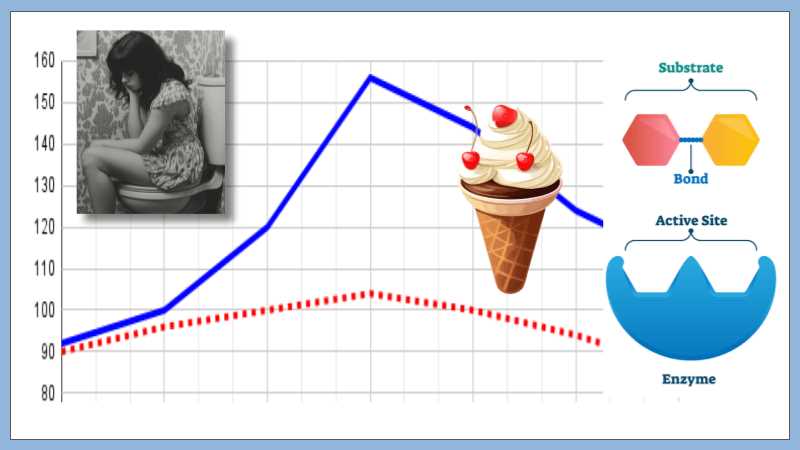
Use pH readings below 5.5 as a supportive indicator of unprocessed disaccharides reaching the colon, as this value reflects fermentation-driven acid buildup.
Pair each acidity result with recorded timing of abdominal pressure, bloating, or gas release to determine whether lowered pH aligns with rapid carbohydrate malabsorption.
Refer to authoritative clinical guidance such as MedlinePlus for established pH thresholds applied in gastrointestinal diagnostics.
When interpreting measurements, confirm that:
- The sample was collected within two hours of symptom onset to avoid neutralization over time.
- No recent antibiotic use altered microbial populations, which may shift fermentation patterns.
- Dietary logs exclude other acidic foods that could distort the reading.
- Multiple samples across separate dairy exposures show consistent acidity trends.
Combine pH values with breath test spikes and digestive enzyme output to strengthen diagnostic alignment across independent data points.
Assessing Dietary Logs to Trace Trigger–Response Patterns
Record each dairy-containing item with precise quantities to track how specific portions influence gas buildup, abdominal pressure, or loose stool within a predictable window.
Align meal timestamps with symptom onset, maintaining a two- to four-hour observation span, which helps distinguish dairy-driven reactions from unrelated digestive shifts.
Flag entries that include mixed meals; isolate milk, cheese, yogurt, and cream exposures separately to determine which product type prompts the strongest reaction.
List additional variables that may distort interpretation, such as high-fiber dishes, caffeine intake, or sugar alcohols, and remove these confounders in subsequent logs.
Strengthen pattern detection by maintaining:
- Consistent portion sizes across multiple days to confirm whether reactions repeat under controlled intake.
- Notes on stress levels or sleep disruption, as both may alter gastrointestinal motility.
- Hydration records, which help distinguish true digestive irritation from dehydration-related cramping.
- Separate logs for baseline days without any dairy exposure to create a clear comparison frame.
Use these matched entries to verify whether symptoms align tightly with dairy ingestion, supporting or challenging conclusions drawn from breath metrics and stool acidity data.
Recommended Follow-Up Steps Based on Case Findings
Adjust dairy intake according to symptom intensity, prioritizing low-dose trials with measured portions such as 50–100 ml of milk or small servings of cheese to track tolerance thresholds.
Reinforce conclusions drawn from breath metrics or stool acidity by incorporating structured re-testing after a two-week dairy-free interval, ensuring any improvement or recurrence aligns with controlled reintroduction.
Coordinate dietary changes with enzyme-replacement trials, using standardized tablet dosages and evaluating responses within a defined two-hour window after consumption.
- Introduce fermented dairy separately from fresh dairy to determine whether bacterial cultures modify digestive reactions.
- Monitor nutrient status, especially calcium and vitamin D, and add supplements if intake drops below recommended daily values.
- Repeat genetic screening only if initial results were inconclusive or if additional family members present similar digestive patterns.
- Maintain a structured log that documents timing, portion size, concurrent foods, and symptom strength using a consistent 0–5 scale.
Use clinician review after four to six weeks of controlled tracking to validate whether digestion consistently improves with adjusted intake strategies or whether additional diagnostic procedures are warranted.