Guide to Interpreting Political Cartoons and Analyzing Symbols
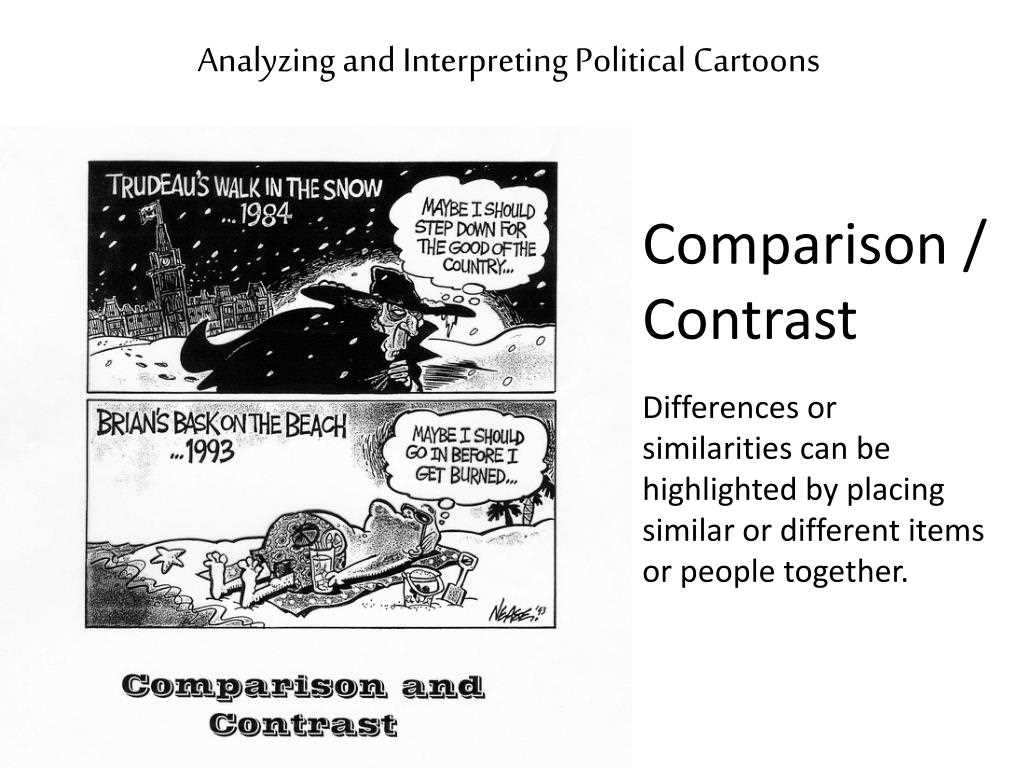
Start by identifying the core symbols within the drawing. Political humor often relies on well-known images or figures that represent specific ideas, events, or individuals. Recognizing these symbols can help reveal the cartoon’s core message. For instance, a depiction of a politician with exaggerated features or certain props often signals a critique of their actions or public image.
Next, pay attention to the text and captions used in the illustration. While the visual elements provide the initial clues, the words solidify the cartoon’s meaning. The combination of visual and verbal cues creates a complete picture, guiding the viewer toward understanding the satire. Look for irony, exaggeration, or wordplay, which are common tools in these works.
Consider the broader context, including the political climate, current events, or historical background. A well-crafted illustration may reference a specific incident or public debate. Understanding the context surrounding the cartoon will deepen your grasp of the message and its intended impact on the audience.
Understanding Illustrations and Their Message
Begin by analyzing the main characters or figures in the image. Often, caricatures or exaggerated features point to certain characteristics of public figures, drawing attention to their flaws or actions. These visual cues are meant to prompt the viewer to connect the figure with a broader concept, issue, or event.
Look at the use of symbols within the illustration. Objects, animals, or settings are frequently used to represent complex ideas. For example, a clenched fist may symbolize power or protest, while a dove might represent peace. Identifying these symbols is key to understanding the underlying commentary.
Context plays a significant role in grasping the full meaning of the artwork. Consider the current events, debates, or controversies the image references. The time period in which the image was created can greatly influence its interpretation. For example, a drawing about economic policies might have different meanings depending on the economic climate at the time.
Finally, pay attention to irony and exaggeration, common tools used to convey messages. These techniques may distort reality in a way that highlights specific issues, making the message more impactful. Exaggerating a political figure’s traits or behavior, for instance, may make a serious critique more accessible and engaging for the audience.
Identifying Key Symbols in Illustrations
Focus on recurring images that often symbolize specific concepts or figures. For example, an elephant and donkey are widely used to represent the major political parties in many countries. These animal figures carry deeper meanings based on cultural associations and historical context.
Observe the use of objects such as flags, money, or chains, as they often symbolize national identity, wealth, or oppression. A flag could indicate patriotism or a protest, while money may highlight issues of greed or economic inequality.
Another key symbol to look for is the use of animals. For instance, a snake might represent deceit or danger, while a lion often symbolizes strength or leadership. The characteristics of the animal in the illustration often reflect the qualities being critiqued or praised.
Examine the setting and background elements. For instance, a courtroom might represent justice, a battlefield could symbolize conflict, and a factory might highlight industrialization or labor issues. These locations help anchor the message in a specific context.
Finally, take note of facial expressions and body language. A raised fist might symbolize resistance or defiance, while a bowed head could suggest submission or defeat. These visual cues help convey emotion and tone, adding to the symbol’s meaning.
How to Analyze Characters and Their Representation
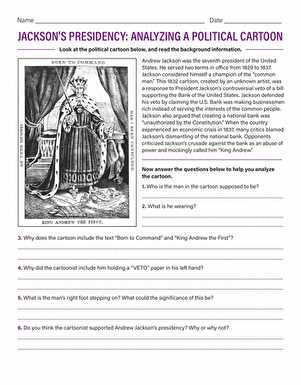
Begin by identifying the key figures in the image. These may be political leaders, public figures, or symbolic representations of social issues. Pay attention to their physical features, posture, and clothing, as these often hint at the message being conveyed. For example, a character portrayed as overweight may symbolize indulgence or excess, while a figure depicted with exaggerated features might suggest a particular stereotype or caricature.
Next, analyze the context in which the characters are placed. Their relationship to the setting and to other characters is crucial for understanding their role. For instance, a figure placed in a position of power might represent authority or corruption, depending on the surrounding imagery and symbols.
Examine the tone of the character’s expression. A scowling face can indicate dissatisfaction or anger, while a smiling face may represent manipulation or false promises. Body language, such as crossed arms or a raised fist, can also convey confidence, resistance, or defiance.
Consider the character’s actions within the image. Are they holding something? Is their movement significant? The character’s behavior often gives further insight into their intentions or the viewpoint of the artist. For example, a character holding a moneybag might symbolize greed or capitalism.
Finally, reflect on the use of exaggeration or distortion. Political satire often amplifies features or actions to make a point. Pay attention to how the character’s form is distorted and what that distortion represents about their personality or role in the message being delivered.
Understanding the Role of Satire in Political Cartoons
Satire is used to highlight flaws, corruption, and contradictions in societal systems by exaggerating certain traits or behaviors. It simplifies complex issues, making them more accessible and engaging to the audience. This form of humor aims to provoke thought, often by showing a distorted version of reality that reflects underlying truths.
In analyzing the use of satire, look for the way characters and events are exaggerated or reduced to absurdity. This exaggeration is meant to criticize and reveal the absurdity of the subject being addressed. For example, a politician depicted with oversized features or in an exaggeratedly helpless position can be a commentary on incompetence or dishonesty.
The satire often operates through irony, where the image contradicts the expected outcome or portrays something in the opposite way from what is commonly accepted. This creates a sharp contrast that highlights issues and elicits a response from the viewer.
Additionally, satirical imagery often uses symbolism, which plays a crucial role in conveying a message. For instance, the depiction of a character with a puppet master may indicate manipulation or loss of control, and such symbolic representations are often central to the critique being presented.
In understanding satire, it is important to recognize that its purpose is not just humor but critique. It serves as a tool for sparking conversation about social and political issues, challenging the status quo, and calling for change.
Decoding the Use of Color and Imagery in Cartoons
Color in illustrations plays a critical role in shaping the tone and emotional response of the viewer. Bold and contrasting colors often highlight urgency or conflict, while softer hues may suggest calm or neutrality. Pay attention to how specific colors are used to enhance the message–red might represent danger, anger, or power, while blue can indicate calmness or authority.
Imagery is another powerful tool in conveying deeper meanings. Symbols like animals, objects, or exaggerated features are carefully selected to evoke specific ideas. For example, a figure holding an oversized hammer might symbolize power or aggression, while a small, frail character could represent weakness or helplessness. Analyzing these visual cues can reveal the underlying message the artist is trying to communicate.
Also, consider how imagery is used to simplify or exaggerate reality. A prominent character might be drawn with exaggerated facial expressions, postures, or accessories to emphasize particular qualities, such as arrogance, incompetence, or greed. These visual elements are designed to draw attention to certain traits, allowing the audience to quickly grasp the artist’s intended criticism.
Colors and imagery together create a visual shorthand for complex issues. By understanding how these elements interact, you can better decode the message being conveyed, moving beyond the surface to uncover the artist’s critique of society, politics, or human nature.
Interpreting the Message Behind the Text in Cartoons
The text in illustrations often carries the primary message or punchline of the artwork. Analyzing the wording is crucial in understanding the underlying commentary or critique being made. Pay attention to the language used–whether it’s formal, sarcastic, or colloquial–since this can help identify the tone of the message.
Look for the connection between the dialogue and the visual elements. Often, the words reinforce or contradict the imagery. For example, a character may say something that contrasts sharply with their depicted actions, creating irony or emphasizing hypocrisy. These contradictions are key to uncovering the message the artist wants to convey.
Examine any hyperbole or exaggerated phrases. Such language is typically used to magnify issues or highlight absurdities. This can reveal the artist’s perspective on the seriousness or triviality of a situation, adding depth to the commentary being made.
Consider the context in which the text appears. References to current events, historical figures, or well-known phrases can provide insight into the cartoon’s purpose. Recognizing these references will help you understand the specific issue or theme being addressed.
For further analysis, you can explore authoritative sources such as The New York Times Opinion Section, which often includes in-depth examinations of current events through a similar use of visual satire and commentary.
Recognizing the Historical and Cultural Context of Cartoons
To fully grasp the meaning behind visual commentary, recognize the historical and cultural events or figures referenced. Cartoons often draw from recent or past events, using symbolism or direct references that may be unfamiliar to those unaware of the specific context. Researching the time period and any political or social movements at play will provide clarity on the underlying message.
Look for visual cues such as historical landmarks, well-known personalities, or references to specific political movements. These elements are often used to pinpoint a particular event or ideology being critiqued. Understanding the cultural significance of these symbols is key to interpreting the deeper meaning of the artwork.
Examine how the cartoon might reflect the public opinion or sentiment of its time. During periods of social or political unrest, such imagery is likely to focus on criticisms of government actions or societal issues. Familiarity with the era’s key debates and controversies will help clarify why certain symbols or characters are depicted in a particular way.
For a broader perspective, review multiple sources from the time period, including news articles, political speeches, or other forms of media. These can provide insights into how the cartoon reflects or challenges prevailing views. Recognizing this historical framework will unlock a more nuanced understanding of the artist’s intentions.
Evaluating the Impact of Cartoons on Public Opinion
To assess how visual commentary influences the public, first analyze the reach of the artwork. Consider the audience–who is the cartoon aimed at? A widely published or shared illustration has a greater chance of shaping opinions. Popular media outlets amplify the message, helping it reach a broader audience.
Next, examine the tone and framing of the imagery. Does it mock, criticize, or satirize a particular individual, policy, or event? The emotional response it evokes can significantly affect the audience’s view on the subject. Negative portrayals are likely to reinforce skepticism or opposition, while positive depictions can sway support.
Look for patterns in how similar themes are represented across multiple illustrations. Repeated themes or motifs across time can amplify certain perspectives or ideas, further solidifying their impact on the collective public consciousness.
Consider the timing and context. Cartoons published during significant political events or crises tend to have a stronger influence on shaping public perceptions. These images capture the emotions and opinions of the moment, often becoming symbols of collective sentiment.
Finally, observe public reactions. Tracking comments, debates, or discussions on social media and in the news will provide insights into how effectively the image has resonated with its audience. Strong reactions, whether in support or protest, are indicators of how much sway the visual commentary holds over public opinion.
Practical Tips for Analyzing Cartoons Independently
First, identify the central message. Look for the subject or issue being addressed. This can often be found through key symbols, characters, and the text accompanying the image. Understanding the subject matter is the foundation for deeper analysis.
Examine the use of exaggeration and distortion. Artists often emphasize features to create a specific message. Pay attention to enlarged objects, altered appearances, or caricatures, which may represent particular ideas or opinions.
Focus on visual metaphors. Elements in the image might symbolize broader concepts or real-world issues. For example, a figure holding a giant hammer might represent government force or control, while a broken chain could symbolize freedom or oppression.
Consider the context in which the image was created. Research current events or historical moments that might influence the message. Cartoons often reflect the socio-political climate of the time, so understanding the background helps decode the intent.
Pay attention to the tone. Is the illustration mocking, satirical, or supportive? The tone plays a significant role in shaping how the message is received. A sarcastic tone often signals criticism, while a light-hearted approach might indicate satire or subtle humor.
Look for the use of color. Colors often carry symbolic meanings–red for danger or urgency, green for growth or environment, etc. Understanding these color cues can add depth to the interpretation of the cartoon’s message.
Reflect on the audience. Who is the cartoon aimed at? The effectiveness of the message is often shaped by the intended audience, whether it’s a general public or a specific group. Understanding this helps you gauge how the image might influence different people.