Key Concepts and Processes in Protein Synthesis Explained
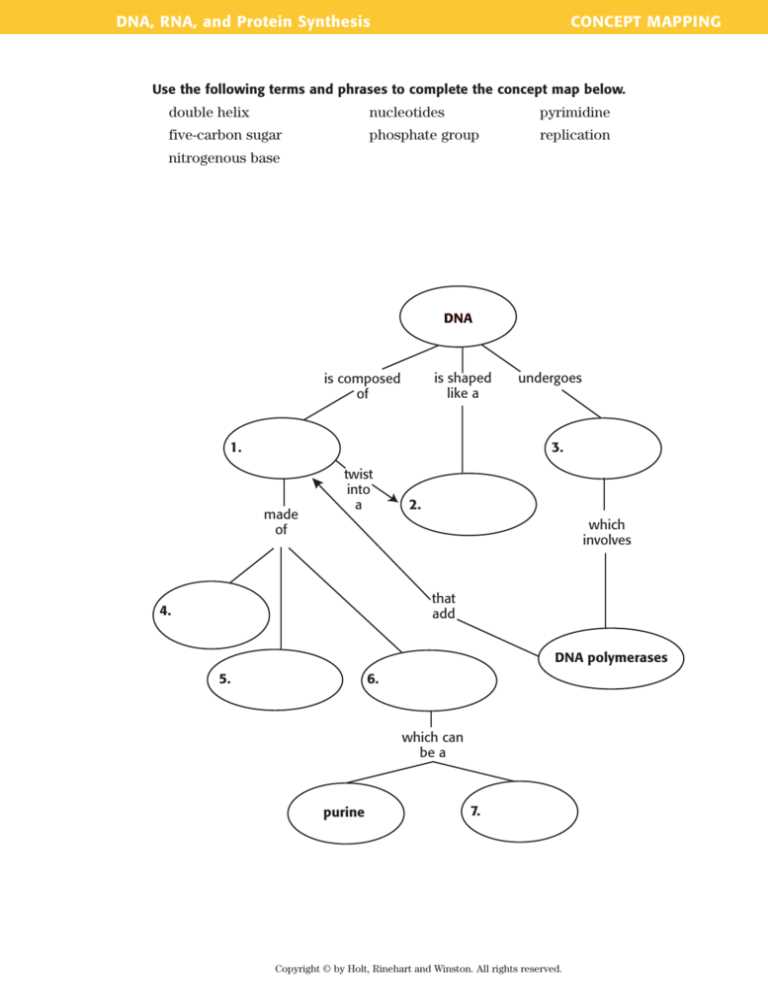
To accurately understand the creation of proteins, begin by recognizing the importance of messenger RNA (mRNA) in transmitting genetic information from DNA to the cellular machinery. This molecule carries the instructions needed for assembling amino acids into functional proteins. Without this step, cells cannot produce the structures required for bodily functions.
Next, focus on the role of ribosomes, which act as the manufacturing sites for proteins. These organelles read the information carried by mRNA and assemble amino acids in the proper sequence, creating long chains that fold into specific shapes. These protein structures are what enable diverse biological processes, from enzyme activity to muscle movement.
Another critical step is understanding how transfer RNA (tRNA) supports the process by matching specific amino acids to the mRNA sequence. By recognizing which tRNA corresponds to each mRNA codon, the cell ensures that the correct amino acid is added in the right order, leading to a functional protein.
Finally, examining common misunderstandings related to transcription and translation will allow you to more effectively analyze the entire sequence of events. Paying attention to small details in these processes can reveal errors and strengthen your comprehension of how cells produce the complex molecules that sustain life.
Understanding the Processes Involved in Cellular Protein Creation
Start by recognizing the two main stages of cellular protein production: transcription and translation. In transcription, DNA is used as a template to create messenger RNA (mRNA) in the nucleus. This mRNA molecule then exits the nucleus and travels to the ribosome, where translation occurs.
During translation, ribosomes read the mRNA sequence and translate it into an amino acid chain. Transfer RNA (tRNA) molecules bring the correct amino acids to the ribosome, matching their anticodons with the mRNA codons. This step is vital for ensuring that the amino acids are linked in the proper order, forming the basis for a functional protein.
After the amino acid chain is formed, it folds into a three-dimensional shape, which determines its specific function in the cell. This process of folding is critical because the function of the protein depends on its structure.
Finally, cellular machinery, including chaperone proteins, may assist in ensuring that the protein folds correctly and reaches its proper cellular destination. Errors in this folding process can lead to malfunctioning proteins, which can result in diseases or disorders.
Understanding the Role of mRNA in Cellular Function
mRNA plays a critical role in translating genetic information from the DNA to the ribosomes, where proteins are constructed. It acts as a messenger, carrying instructions from the nucleus to the cytoplasm for the assembly of polypeptides.
The process begins with transcription, where an mRNA molecule is synthesized using a DNA template. This mRNA is an exact copy of the gene being expressed, with the exception of thymine (T) being replaced by uracil (U). Once formed, the mRNA exits the nucleus and enters the cytoplasm, where it interacts with ribosomes.
In the cytoplasm, the mRNA’s sequence of codons (sets of three nucleotides) is read by ribosomes. Each codon corresponds to a specific amino acid. This information is crucial for assembling the correct sequence of amino acids, which ultimately forms a functional protein.
Transfer RNA (tRNA) molecules then bind to the mRNA codons with their complementary anticodons, bringing the corresponding amino acids. As the ribosome moves along the mRNA strand, the amino acids are linked together, forming a growing chain that folds into its final functional form.
The role of mRNA in this process is indispensable, as it ensures that the genetic code is accurately translated into the specific amino acid sequence required for each protein. Without this intermediary, the cell would be unable to produce proteins in the correct order or with the necessary structure for their functions.
How Ribosomes Synthesize Polypeptides: A Step-by-Step Guide
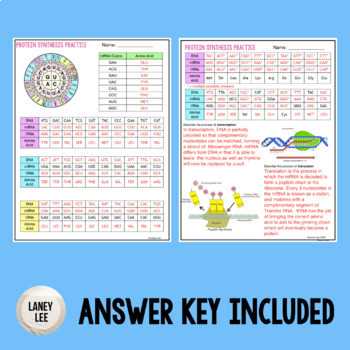
The process of protein assembly begins when the ribosome attaches to an mRNA strand in the cytoplasm. This mRNA, which was transcribed from the DNA, contains the instructions for building a specific chain of amino acids.
Step 1: Initiation – The small subunit of the ribosome binds to the mRNA at the start codon, typically AUG. The large subunit then attaches, forming the complete ribosome. This marks the beginning of translation.
Step 2: Elongation – Transfer RNA (tRNA) molecules, each carrying an amino acid, bind to the ribosome. The tRNA anticodon pairs with the complementary mRNA codon. The ribosome then links the amino acid to the growing chain by forming peptide bonds between them. This process repeats as the ribosome moves along the mRNA, adding amino acids one by one.
Step 3: Termination – The ribosome continues translating the mRNA until it reaches a stop codon. This signals the end of translation. The completed polypeptide chain is released from the ribosome.
Step 4: Folding and Modification – The newly formed chain of amino acids folds into its functional three-dimensional shape. Some proteins undergo additional modifications, such as phosphorylation or glycosylation, to become fully functional.
Ribosomes play a central role in decoding genetic information and converting it into the building blocks of life, ensuring that each protein is produced accurately according to the instructions provided by the cell’s DNA.
Decoding tRNA’s Function in Translation
Transfer RNA (tRNA) plays a critical role in translating the genetic information from mRNA into the correct sequence of amino acids during protein formation. Each tRNA molecule has a specific three-nucleotide sequence, known as the anticodon, that is complementary to a corresponding codon on the mRNA strand.
Step 1: Binding of tRNA – tRNA molecules carry specific amino acids to the ribosome. The anticodon on the tRNA binds to the matching codon on the mRNA strand. This ensures that the correct amino acid is added to the growing polypeptide chain in the correct order.
Step 2: Amino Acid Delivery – As the ribosome moves along the mRNA, tRNA molecules continuously bind to the ribosome in sequence. Each tRNA adds its amino acid to the polypeptide chain, facilitating the elongation process.
Step 3: Releasing tRNA – Once the tRNA has delivered its amino acid, it detaches from the mRNA and the ribosome. The tRNA is then free to pick up another molecule of the same amino acid from the cytoplasm, ready to participate in the next cycle of translation.
In summary, tRNA ensures the accuracy and efficiency of protein assembly by translating the genetic code into the functional structure of proteins. Its role is pivotal in determining the proper amino acid sequence, which directly affects the final structure and function of the protein.
For further information, visit NCBI article on tRNA and its function.
Transcription Process and Its Importance in Protein Production
The transcription process is a critical first step in the creation of proteins. During transcription, a segment of DNA is copied into a messenger RNA (mRNA) molecule. This process occurs in the nucleus of eukaryotic cells and involves several key stages: initiation, elongation, and termination.
In the initiation phase, RNA polymerase binds to a specific sequence of DNA known as the promoter. This marks the start of the gene that will be transcribed. The enzyme then separates the DNA strands, creating a template for RNA synthesis.
During elongation, RNA polymerase moves along the DNA template strand, synthesizing a complementary strand of mRNA. The mRNA molecule is built in the 5′ to 3′ direction, with RNA nucleotides being added according to base-pairing rules: adenine pairs with uracil (instead of thymine), and cytosine pairs with guanine.
In the termination phase, RNA polymerase reaches a termination signal, causing the enzyme to detach from the DNA. The newly formed mRNA strand is released and undergoes further processing before leaving the nucleus to be translated into a protein in the cytoplasm.
Transcription is vital because it ensures that the genetic information encoded in the DNA is faithfully copied and available for translation into functional proteins. Without accurate transcription, the entire process of protein assembly would be compromised, leading to improper cellular functions and potentially harmful mutations.
The Role of Codons in Protein Building
Codons play a crucial role in determining the sequence of amino acids that form a functional molecule. Each codon consists of three nucleotides, which are the basic units of RNA, and specifies a particular amino acid or a stop signal during translation.
During translation, the mRNA is read in sets of three bases at a time, known as codons. Each codon corresponds to one amino acid, and the sequence of codons in the mRNA determines the sequence of amino acids in the growing polypeptide chain. This process ensures that proteins are built according to the instructions encoded in the genetic material.
For example, the codon AUG signals the start of the translation process and also codes for the amino acid methionine, which is the first amino acid in nearly all newly formed proteins. Other codons specify the remaining amino acids, such as UUU for phenylalanine or GCU for alanine.
Codons are essential because they directly link genetic information in the form of mRNA to the production of proteins. Errors in codon recognition or translation can lead to the production of dysfunctional proteins, which may cause diseases or malfunctions within the cell.
Key Enzymes Involved in Protein Building
Several enzymes play critical roles in the formation of functional molecules within the cell. These enzymes ensure that each step in the process of assembling amino acids into polypeptides is carried out accurately and efficiently.
RNA Polymerase is responsible for transcribing the genetic information from DNA into mRNA, which carries the blueprint for the assembly of amino acids. Without RNA polymerase, the first step in the creation of a protein cannot occur.
Ribosomes, though not enzymes themselves, are made up of ribosomal RNA (rRNA) and proteins. They facilitate the binding of tRNA to the mRNA template and catalyze the formation of peptide bonds between amino acids.
Transfer RNA (tRNA) is not an enzyme but plays a crucial role in the translation process by transporting the correct amino acids to the ribosome. tRNA molecules have anticodons that match the codons on the mRNA, ensuring the correct amino acids are added to the growing chain.
Aminoacyl-tRNA Synthetase is responsible for charging tRNA molecules with their corresponding amino acids. This enzyme recognizes both the tRNA and the amino acid, attaching the amino acid to the tRNA in preparation for translation.
Peptidyl Transferase is a ribosomal enzyme that catalyzes the formation of peptide bonds between amino acids during translation. This enzyme is part of the ribosome’s large subunit and ensures the sequential addition of amino acids into the growing polypeptide chain.
Release Factors are involved in the termination of translation. They recognize stop codons on the mRNA and help release the newly formed polypeptide from the ribosome once the protein is fully synthesized.
Translation vs. Transcription: Key Differences Explained
The processes of transcription and translation are essential steps in converting genetic information into functional molecules. They differ in their mechanisms, location, and end products.
- Location: Transcription occurs in the nucleus of eukaryotic cells, where DNA is stored, while translation happens in the cytoplasm, specifically on ribosomes.
- Purpose: Transcription is the process of copying genetic information from DNA to messenger RNA (mRNA), whereas translation is the process of decoding mRNA to assemble amino acids into a polypeptide chain.
- End Product: The end product of transcription is mRNA, which serves as a template for protein construction. In translation, the result is a newly formed polypeptide chain, which will fold into a functional protein.
- Enzymes Involved: RNA polymerase is the enzyme responsible for transcription, while translation relies on ribosomes, tRNA, and various enzymes like aminoacyl-tRNA synthetase.
- Sequence Reading: During transcription, RNA polymerase reads the DNA template and synthesizes mRNA based on complementary base pairing. In translation, the ribosome reads the mRNA sequence and uses tRNA to bring in the appropriate amino acids.
- Direction of Synthesis: In transcription, RNA is synthesized in the 5′ to 3′ direction, while in translation, the polypeptide is assembled in the N-terminus to C-terminus direction.
Common Mistakes in Interpreting Protein Synthesis Data
Misinterpretation of data during the process of translating genetic information into functional molecules can lead to significant errors. Here are some of the most frequent mistakes to avoid:
- Ignoring Sequence Context: Focusing solely on the individual codons without considering their position in the mRNA sequence can lead to misreading the amino acid chain.
- Overlooking Post-Translational Modifications: Neglecting to account for changes made to the polypeptide after translation can result in incorrect conclusions about the final functional molecule.
- Assuming Direct Proportions: Assuming a direct correlation between mRNA abundance and protein synthesis rates without considering regulatory elements, stability, or translation efficiency can lead to misleading results.
- Misidentifying Enzyme Involvement: Incorrectly attributing enzymatic functions to the wrong phase (e.g., assigning roles of translation factors to transcription) can distort the understanding of the entire process.
- Overlooking Alternative Splicing: Failing to recognize that mRNA can undergo splicing to form multiple protein variants can lead to incomplete or inaccurate data interpretation.
- Underestimating the Role of tRNA: Neglecting the importance of tRNA and its charging process during translation may lead to erroneous predictions about amino acid sequence assembly.