Chapter 7 Cellular Respiration Worksheet Solutions and Explanations
To excel in understanding the mechanisms behind how cells generate energy, it’s crucial to focus on the key stages involved. Start by carefully reviewing the main steps where glucose is broken down, leading to the creation of ATP, the energy currency for all living organisms. Understanding how each step contributes to the overall process will enhance your grasp of biological energy production.
Make sure to focus on the specific pathways where glucose undergoes transformation into usable energy. The initial breakdown process begins with the splitting of glucose molecules, followed by the extraction of energy through various biochemical reactions. Pay particular attention to the role of specific enzymes that facilitate these transformations, and how oxygen plays a pivotal role in the final stages.
Additionally, the electron transport chain and its role in ATP production is a key concept to master. Understanding how electrons move through protein complexes and how the energy is captured in the form of ATP will solidify your knowledge of this critical cellular process. With a clear focus on these stages, you’ll be able to better comprehend how energy is managed within living cells, and why these processes are crucial for survival.
Solutions for Chapter 7: Understanding Energy Production in Cells
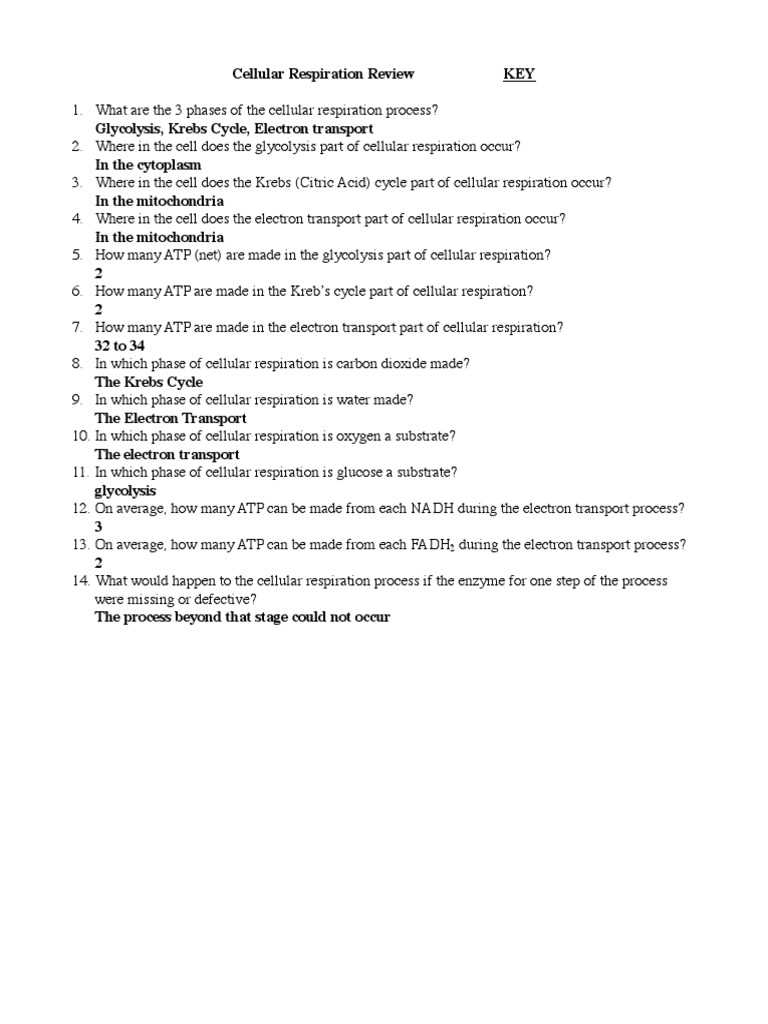
The process of breaking down glucose to generate usable energy begins with glycolysis. In this initial stage, glucose is split into two molecules of pyruvate. This process takes place in the cytoplasm and results in a net gain of two ATP molecules and two NADH molecules, which are essential for the next stages.
The next step is the citric acid cycle, also known as the Krebs cycle. Here, each pyruvate molecule is further broken down in the mitochondria, releasing carbon dioxide and transferring high-energy electrons to carrier molecules like NADH and FADH2. These carriers play a vital role in the final stage of the process by transporting electrons to the electron transport chain.
Finally, the electron transport chain occurs in the inner mitochondrial membrane. Electrons are passed along a series of proteins, and the energy released is used to pump protons across the membrane, creating a proton gradient. This gradient is essential for the synthesis of ATP through chemiosmosis. Oxygen acts as the final electron acceptor, combining with electrons and protons to form water.
By understanding these steps, you will be able to follow how glucose is converted into ATP, providing the cell with energy. Make sure to focus on how each stage contributes to the overall energy production and how the molecules involved facilitate the process.
Understanding the Basics of Energy Production in Cells
Energy production in organisms begins with the breakdown of glucose molecules. This process occurs in multiple stages, each designed to maximize the efficiency of energy conversion. The first stage, glycolysis, takes place in the cytoplasm and breaks down glucose into two pyruvate molecules. This step produces a small amount of ATP and NADH, essential molecules for the next stages of energy production.
Following glycolysis, pyruvate enters the mitochondria, where it undergoes further breakdown. The citric acid cycle, also known as the Krebs cycle, transfers high-energy electrons to NADH and FADH2. These electron carriers are key to the next step, where the majority of ATP is produced.
The final phase occurs in the mitochondrial membrane, where the electron transport chain uses the electrons carried by NADH and FADH2 to generate a proton gradient. This gradient powers ATP synthesis through a process called chemiosmosis. Oxygen plays a critical role at the end of the chain, combining with electrons and protons to form water.
Each stage of this process contributes to the overall production of ATP, the energy currency of the cell. Understanding the details of each phase allows you to appreciate how organisms generate the energy necessary for survival and growth.
Step-by-Step Breakdown of Glycolysis Process
The process of glycolysis occurs in the cytoplasm and is the first step in breaking down glucose to produce energy. Here’s a breakdown of each step:
| Step | Description | Energy Involved |
|---|---|---|
| 1. Glucose Activation | Glucose is phosphorylated by ATP, creating glucose-6-phosphate. This step requires 1 ATP molecule. | Consumes 1 ATP |
| 2. Isomerization | Glucose-6-phosphate is converted into fructose-6-phosphate. | No energy change |
| 3. Second Phosphorylation | Fructose-6-phosphate is phosphorylated again using ATP to form fructose-1,6-bisphosphate. This step consumes another ATP molecule. | Consumes 1 ATP |
| 4. Cleavage | Fructose-1,6-bisphosphate is split into two 3-carbon molecules: dihydroxyacetone phosphate (DHAP) and glyceraldehyde-3-phosphate (G3P). | No energy change |
| 5. Interconversion | The DHAP is converted into another G3P molecule, resulting in two G3P molecules. | No energy change |
| 6. Oxidation and Phosphorylation | Each G3P is oxidized, transferring electrons to NAD+, forming NADH. Inorganic phosphate is added to form 1,3-bisphosphoglycerate (1,3-BPG). | Produces NADH |
| 7. ATP Generation | 1,3-BPG donates a phosphate group to ADP, forming ATP and 3-phosphoglycerate (3PG). | Produces 2 ATP |
| 8. Isomerization | 3PG is rearranged into 2-phosphoglycerate (2PG). | No energy change |
| 9. Dehydration | 2PG undergoes dehydration to form phosphoenolpyruvate (PEP). | No energy change |
| 10. ATP Generation | PEP donates a phosphate group to ADP, forming ATP and pyruvate. | Produces 2 ATP |
In total, glycolysis produces a net gain of 2 ATP molecules and 2 NADH molecules, as well as 2 pyruvate molecules, which will proceed to the next stages of energy production.
How Pyruvate is Converted to Acetyl-CoA
After glycolysis, pyruvate molecules are transported into the mitochondria for further processing. The conversion of pyruvate to acetyl-CoA is a crucial step that links anaerobic and aerobic metabolism. Here’s a breakdown of the process:
- Transport to Mitochondria: Pyruvate is actively transported into the mitochondrial matrix from the cytoplasm.
- Decarboxylation: Each pyruvate molecule (a 3-carbon compound) undergoes decarboxylation. One carbon atom is removed from pyruvate in the form of carbon dioxide (CO₂), leaving a 2-carbon structure.
- Oxidation: The remaining 2-carbon structure is oxidized. During this step, electrons are transferred to NAD+ molecules, reducing it to NADH. This step releases high-energy electrons that will be used in the electron transport chain.
- Acetyl-CoA Formation: The 2-carbon molecule then binds to coenzyme A (CoA), forming acetyl-CoA. This molecule is essential for entering the citric acid cycle (Krebs cycle).
Each molecule of glucose produces two molecules of pyruvate, and thus two molecules of acetyl-CoA, which then enter the citric acid cycle to generate further energy in the form of ATP, NADH, and FADH2. This process is a key link in energy production, especially under aerobic conditions.
The Role of the Citric Acid Cycle in Energy Production
The citric acid cycle, also known as the Krebs cycle or tricarboxylic acid cycle, plays a central role in the production of energy. It occurs in the mitochondrial matrix and processes acetyl-CoA, which is derived from glucose and fatty acids. This cycle is crucial for the generation of high-energy molecules, primarily NADH and FADH2, which are used in the electron transport chain to produce ATP.
Here’s how the cycle contributes to energy production:
- Acetyl-CoA Entry: Acetyl-CoA enters the citric acid cycle, combining with oxaloacetate to form citric acid (citrate), a 6-carbon compound.
- Oxidation and Decarboxylation: Citrate undergoes a series of reactions that involve oxidation and decarboxylation. These steps release electrons that reduce NAD+ to NADH and produce carbon dioxide (CO₂) as a byproduct.
- Energy Extraction: Through further reactions, FAD is reduced to FADH2, and another NADH molecule is generated. Additionally, a high-energy phosphate bond is transferred to ADP to produce ATP.
- Regeneration of Oxaloacetate: The cycle culminates with the regeneration of oxaloacetate, allowing the cycle to continue with the next molecule of acetyl-CoA.
For each glucose molecule, the cycle runs twice (once for each acetyl-CoA), generating high-energy carriers that drive the production of ATP in the electron transport chain. This process is fundamental to aerobic metabolism, as it provides the necessary energy for cellular functions and growth.
Electron Transport Chain: Key Steps and Function
The electron transport chain (ETC) is the final stage of aerobic metabolism and takes place in the inner mitochondrial membrane. It is crucial for generating ATP, the primary energy currency of cells. Here are the key steps involved in this process:
- Electron Transfer: The ETC begins with the transfer of high-energy electrons from NADH and FADH2 to protein complexes embedded in the mitochondrial membrane. These electrons move through four major protein complexes (Complex I to IV).
- Proton Pumping: As electrons pass through the complexes, energy is released and used to pump protons (H+) across the inner mitochondrial membrane, creating an electrochemical gradient.
- Formation of Water: At Complex IV, electrons are transferred to oxygen, the final electron acceptor, which combines with protons to form water.
- ATP Synthesis: The proton gradient established across the membrane drives ATP synthesis through the enzyme ATP synthase. Protons flow back into the mitochondrial matrix, and the energy from this flow is used to convert ADP to ATP.
This chain is responsible for producing the majority of ATP during aerobic metabolism. The oxygen-dependent process ensures that the energy stored in glucose is efficiently harnessed for cellular functions.
How ATP is Produced in Energy Metabolism
ATP is produced through a series of biochemical pathways that occur in cells. The primary stages for ATP production are glycolysis, the citric acid cycle, and oxidative phosphorylation. Here’s how each stage contributes to ATP synthesis:
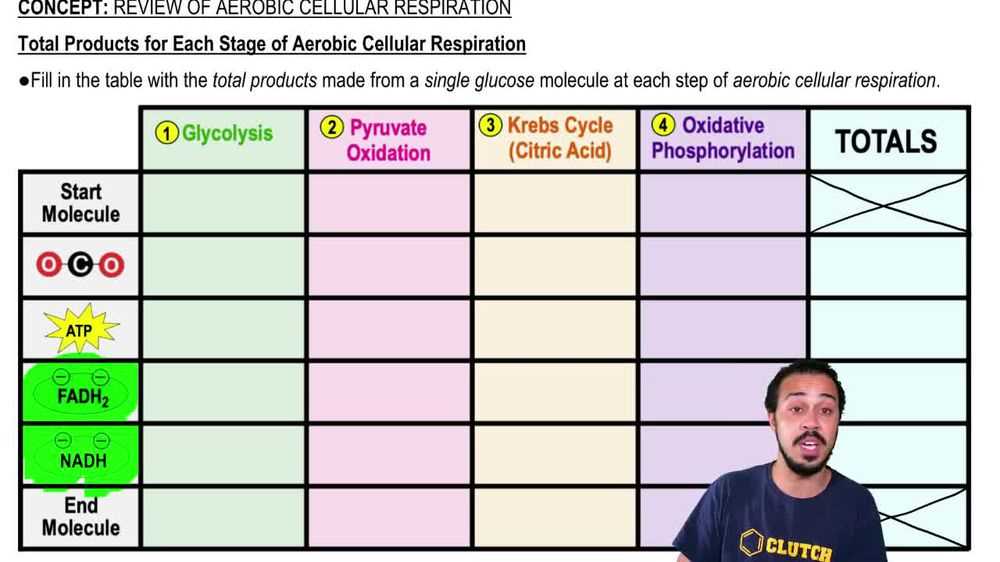
- Glycolysis: This process occurs in the cytoplasm, where one molecule of glucose is broken down into two molecules of pyruvate. Glycolysis produces a net gain of 2 ATP molecules and 2 NADH molecules, which carry electrons to the next stages of energy production.
- Citric Acid Cycle: Also known as the Krebs cycle, this process takes place in the mitochondria. Each pyruvate from glycolysis is converted into Acetyl-CoA, which enters the citric acid cycle. This cycle produces 2 ATP, 6 NADH, and 2 FADH2 per glucose molecule, which are used to generate more ATP in the final stage.
- Oxidative Phosphorylation: This occurs in the inner mitochondrial membrane and consists of the electron transport chain (ETC) and chemiosmosis. The NADH and FADH2 produced in earlier stages donate electrons to the ETC, driving the pumping of protons across the mitochondrial membrane. This creates a proton gradient that powers ATP synthase, generating up to 34 ATP molecules per glucose molecule through chemiosmosis.
The total ATP produced in aerobic metabolism can reach up to 38 ATP molecules per molecule of glucose, with the majority being generated during oxidative phosphorylation.
For further details, visit NIH article on energy metabolism.
Common Misconceptions in Energy Production Process
Many students confuse the roles of different stages involved in energy production. One common misunderstanding is that the production of ATP occurs only in the mitochondria. In reality, glycolysis takes place in the cytoplasm and produces ATP independently of the mitochondria.
Another frequent misconception is the belief that oxygen is used during glycolysis. In truth, glycolysis is an anaerobic process, meaning it does not require oxygen. It is only in later stages, like oxidative phosphorylation, that oxygen plays a key role in the electron transport chain.
Many also incorrectly assume that the citric acid cycle produces most of the ATP. While this cycle is essential for generating electron carriers (NADH and FADH2), it does not directly generate a large amount of ATP. The majority of ATP is produced in the final stage via oxidative phosphorylation.
Additionally, it’s often assumed that the electron transport chain directly creates ATP. However, it primarily creates a proton gradient across the mitochondrial membrane, which is then used by ATP synthase to produce ATP during chemiosmosis.
Clarifying these points helps ensure a better understanding of the biochemical processes behind energy production in living organisms.
Applying Knowledge of Energy Production to Real-World Examples
Understanding how organisms produce energy helps in fields like medicine, sports science, and biotechnology. For example, athletes optimize their performance by training the body to use energy efficiently during different types of exercise. Knowledge of metabolic pathways, like glycolysis and oxidative phosphorylation, allows them to improve endurance and reduce fatigue by managing how energy is produced and utilized.
In medicine, understanding these pathways is crucial for treating diseases that affect metabolism, such as diabetes. In diabetic patients, insulin resistance impacts how cells convert glucose into energy. By targeting specific steps in energy production, doctors can develop better treatments to help manage blood sugar levels.
In biotechnology, the processes involved in generating energy are harnessed to produce biofuels. By studying how microorganisms use organic compounds for energy, scientists can engineer more efficient methods of producing bioethanol or biodiesel, which are renewable alternatives to fossil fuels.
- Sports science uses knowledge of ATP production to enhance athletic performance.
- Medicine applies metabolic pathway understanding to treat metabolic disorders.
- Biotechnology exploits energy production in microorganisms to develop sustainable fuels.
These applications show how understanding the intricate details of how living organisms produce and store energy has practical implications in diverse industries and daily life.