Complete Guide to Ecosystem Concept Map Worksheet Solutions
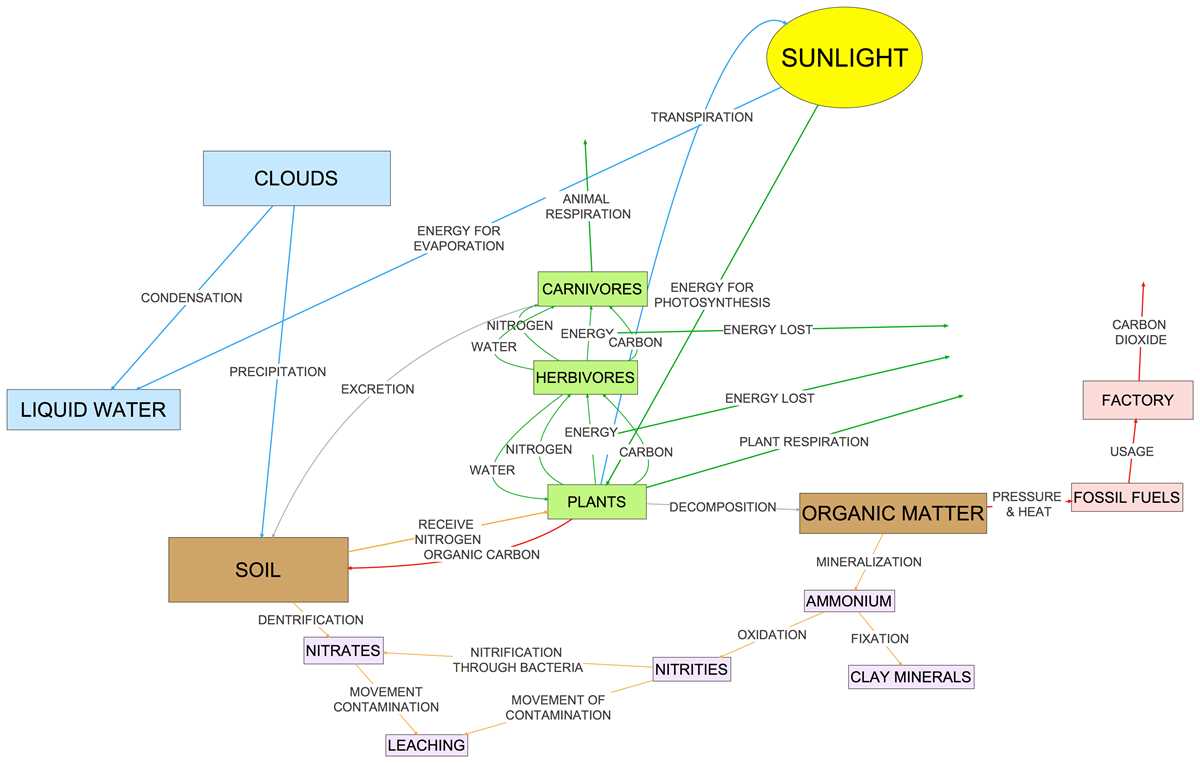
To correctly complete your ecosystem diagrams, it’s crucial to begin by identifying the main components of the environment. These typically include producers, consumers, decomposers, and the abiotic elements such as water, air, and soil. Understanding how these parts interact will provide a clearer structure for mapping out energy flow and nutrient cycles.
Start by organizing the components into categories, making sure to draw clear connections between biotic and abiotic factors. Producers form the foundation, while primary consumers rely on them for energy. Secondary consumers feed on the primary ones, and decomposers break down organic matter, completing the cycle. This structure will guide your overall understanding of ecological relationships.
It’s important to focus on how energy is transferred throughout the system. Make sure to map out the flow of energy from one level to the next, taking into account how energy is lost through heat and how materials are recycled within the system. Practicing this concept will help you fully grasp the dynamics of an ecosystem and its components.
Understanding the Structure of a Detailed Ecological Diagram

Begin by identifying the primary components of the natural environment, such as producers, consumers, and decomposers. Producers, typically plants, form the base of the system, converting solar energy into chemical energy. Primary consumers, like herbivores, rely on producers for sustenance. Secondary and tertiary consumers, including carnivores, feed on the organisms lower in the chain, maintaining energy flow throughout the system.
Connect these components in a way that shows the direction of energy transfer. Draw arrows to represent the flow of energy from one organism to the next. Remember to account for energy losses, primarily in the form of heat, as you move up the trophic levels. This will help in understanding how ecosystems maintain energy balance.
Incorporate abiotic factors like sunlight, temperature, water, and soil. These elements influence the living components by providing the necessary conditions for growth and development. They also affect the availability of resources and dictate the survival of certain species in specific habitats.
Lastly, include nutrient cycles such as the carbon, nitrogen, and water cycles. These cycles demonstrate how matter is recycled within the system. Understanding these cycles is key to grasping how nutrients are reused, ensuring the sustainability of the ecosystem over time.
How to Understand the Key Components of an Ecological Diagram
Focus first on the basic building blocks: producers, primary consumers, secondary consumers, and decomposers. Producers form the foundation, converting solar energy into chemical energy. Herbivores, or primary consumers, feed on these plants, while secondary consumers, such as carnivores, eat the primary consumers. Decomposers break down organic matter, returning nutrients to the soil and closing the loop of energy flow.
Next, identify the abiotic elements that influence these living components. These include sunlight, water, temperature, and soil type. Each factor affects the growth, survival, and distribution of species, and should be represented as interacting with the biological components in your diagram.
Connect these elements with arrows to show the energy flow. Ensure the direction of the arrows clearly represents how energy moves from one organism to another. Consider adding labels to indicate processes such as photosynthesis, respiration, and nutrient cycling, which are key to understanding how energy and matter move through the system.
Incorporate cycles such as the nitrogen and carbon cycles. These illustrate how nutrients are recycled within the environment. By representing these cycles, you will better understand the continual movement of matter and how organisms depend on these cycles for survival.
Step-by-Step Instructions for Completing the Ecological Diagram Task
Begin by identifying the main categories or components that will form the foundation of your diagram. These typically include producers, primary consumers, secondary consumers, and decomposers. Write each of these components in separate circles or boxes to start building your diagram.
Next, draw lines or arrows between the components to show the relationships. For example, connect producers to primary consumers with an arrow to indicate energy flow. Make sure each arrow points in the direction of energy movement, from one organism to the next.
Add relevant details to each component. Label producers with the specific plants or algae they represent. Label consumers based on their feeding habits (e.g., herbivores, carnivores, omnivores). Decomposers should be identified by types of fungi or bacteria involved in nutrient cycling.
Now, include environmental factors that affect the system, such as sunlight, water, and temperature. These should be placed around the biological components and connected with arrows to show their influence on living organisms.
Include cycles like the nitrogen or carbon cycle if applicable. Use arrows and labels to show how matter moves through the system and is recycled. This step ensures that all aspects of energy and nutrient flow are covered in your diagram.
Finally, review your diagram for clarity. Ensure that all relationships are clearly represented, and that there are no missing connections. Double-check the labeling and the direction of arrows to confirm that energy flow is accurate.
Identifying Primary and Secondary Producers in Ecological Mapping
To identify primary and secondary producers, begin by recognizing the organisms that generate energy in the system. Primary producers are typically plants or algae that capture solar energy and convert it into food through photosynthesis. These organisms are at the foundation of most energy flows.
- Primary Producers: Include plants, algae, and phytoplankton. These organisms harness sunlight to produce glucose, forming the base of the food chain.
- Secondary Producers: These organisms consume primary producers or primary consumers. Secondary producers often include carnivores or omnivores that rely on herbivores or other primary consumers for energy.
Label each of these producers appropriately in your diagram. For primary producers, ensure they are positioned at the bottom or base of your representation, showing their role as energy providers. Secondary producers should be placed higher in the diagram, indicating their position in the food chain.
Remember to draw arrows that represent the energy flow. Arrows from primary producers should lead to primary consumers, and arrows from secondary producers should lead to tertiary consumers or decomposers, depending on the ecosystem’s complexity.
By accurately labeling these producers and their connections, you can clearly demonstrate the foundational energy dynamics within any given system.
How to Link Abiotic and Biotic Factors in Your Ecological Representation
To connect abiotic and biotic factors, begin by identifying both components in your diagram. Abiotic factors include non-living elements like temperature, water, sunlight, and soil, while biotic factors refer to living organisms such as plants, animals, and microorganisms.
Place abiotic factors in a separate section, but show clear connections with the living components. For example:
- Water: Link water to plant growth, showing how availability influences plant health and subsequent herbivore populations.
- Sunlight: Connect sunlight to primary producers, illustrating how it fuels photosynthesis, which in turn supports herbivores and higher trophic levels.
- Temperature: Show how temperature impacts species distribution, affecting both plant and animal survival in different areas.
Use arrows or lines to indicate interactions between the abiotic and biotic components. For instance, sunlight affects plant growth, which in turn supports herbivores, and so on. Additionally, abiotic factors like soil quality influence plant species, which then determine the types of herbivores that can thrive in the area.
Ensure that these connections are clear and logical to reflect the dynamic and interdependent nature of both living and non-living elements in the environment.
Common Mistakes to Avoid While Creating an Ecological Diagram
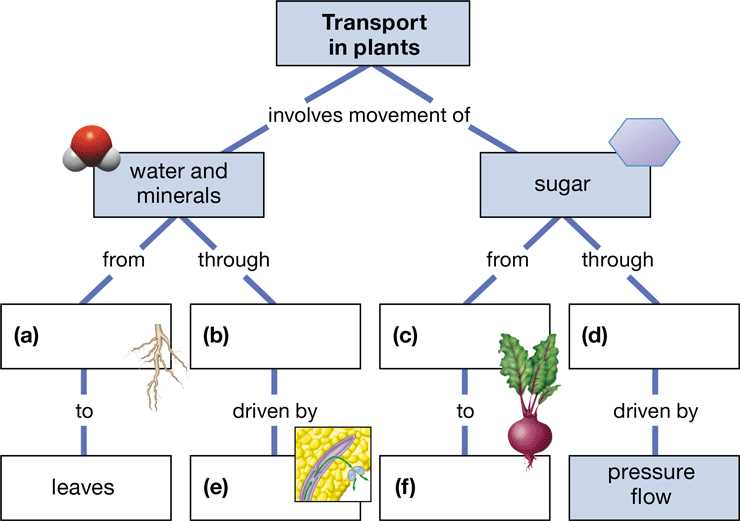
When constructing a diagram of environmental relationships, be mindful of the following mistakes:
- Overcomplicating the Structure: Avoid adding too many connections at once. Focus on key relationships to prevent confusion.
- Misplacing Abiotic and Biotic Factors: Ensure that non-living factors, such as temperature and sunlight, are properly linked to the correct living organisms. Incorrect placement can disrupt the logic of the interactions.
- Ignoring Trophic Levels: Failing to clearly define the roles of producers, consumers, and decomposers can make the diagram unclear. Each organism must be placed at the correct trophic level.
- Excessive Detailing: While details are important, avoid overcrowding the diagram with excessive information that is not directly relevant to the primary focus.
- Lack of Clear Connections: Ensure all relationships are clearly indicated with arrows or lines, showing how elements influence one another. Unclear connections make the diagram hard to interpret.
- Neglecting Feedback Loops: Many systems in nature involve feedback mechanisms, such as predator-prey cycles. Failing to include these can lead to an incomplete representation.
- Not Using Consistent Terminology: Inconsistent labeling can cause confusion. Use clear, standardized terms for each component in the system.
By avoiding these common mistakes, you can create a clearer and more accurate diagram that effectively represents the interconnections within natural systems.
Using Diagrams to Visualize Energy Flow and Nutrient Cycles
Visual representations of energy flow and nutrient cycles provide a clear understanding of how matter and energy move through natural systems. To effectively illustrate these processes, include the following elements in your diagrams:
- Energy Transfer: Show the movement of energy through trophic levels, from producers to primary and secondary consumers. Use arrows to indicate energy transfer, highlighting the direction and intensity of energy flow.
- Nutrient Recycling: Include the processes by which nutrients, such as carbon, nitrogen, and phosphorus, are cycled within the system. Illustrate how decomposers break down organic material, returning essential elements to the soil.
- Food Web Connections: Depict how organisms at different levels are interconnected. This reveals the complexity of energy transfer and nutrient cycling across multiple species.
- Photosynthesis and Respiration: Indicate where plants convert solar energy into chemical energy, and how consumers and decomposers use and release energy through respiration.
These visual tools help clarify complex ecological processes, making it easier to understand the flow of energy and the cycling of nutrients in different environments.
For further information on nutrient cycles and energy flow in ecosystems, visit Nature’s Educational Resources.
How to Interpret and Analyze Diagrams for Study Purposes
To maximize your understanding and retention of material, follow these steps when reviewing visual diagrams:
- Identify Key Components: Look for the central ideas, such as energy flow, species interactions, and nutrient cycles. These are typically highlighted at the center or top of the diagram.
- Examine Connections: Focus on how different elements are linked. Arrows often indicate relationships or processes, such as energy transfer or matter cycling. Analyze the direction and type of these connections.
- Understand Hierarchical Structure: Notice the hierarchy, with primary processes or organisms at the top and more detailed interactions or secondary components at the bottom or on the sides.
- Look for Missing Links: As you study, identify any gaps or missing links that could clarify the system’s functioning. This can highlight areas where further research or clarification is needed.
- Reinforce with Examples: Link the diagram’s components to real-world examples or case studies to deepen your understanding of the material. For instance, connect specific species to the roles they play in real ecosystems.
Using these strategies will help you analyze diagrams more effectively, making complex relationships easier to grasp and remember.
Where to Find Additional Resources for Mapping Practice
To enhance your skills and understanding of system diagrams, explore the following resources:
- Online Educational Platforms: Websites like Khan Academy and Coursera offer interactive courses and exercises that cover topics related to ecological systems and their interactions. These platforms provide structured lessons with visual aids to deepen your understanding.
- Interactive Simulation Tools: Platforms such as PhET Interactive Simulations and BioMan Biology provide virtual tools for creating and analyzing biological systems. These tools allow you to visualize different ecological relationships and energy flows.
- Textbooks and Study Guides: Comprehensive textbooks on biology or environmental science often feature detailed diagrams and exercises. “Environmental Science: A Global Concern” by William P. Cunningham and Mary Ann Cunningham is a well-regarded resource for such topics.
- Peer-Reviewed Journals: Scholarly articles and case studies in journals like “Ecology” and “Environmental Management” can provide real-world examples of ecological interactions and systems. These articles often include diagrams and detailed analyses that can help clarify complex concepts.
- University Websites: Many universities post educational resources, sample exercises, and practice tests online. For example, the University of California’s resources in environmental science and biology often include visual exercises and problem sets.
These sources will support your practice and improve your ability to understand and create system diagrams with accuracy and clarity.