Understanding River Erosion Key Concepts and Solutions for Students
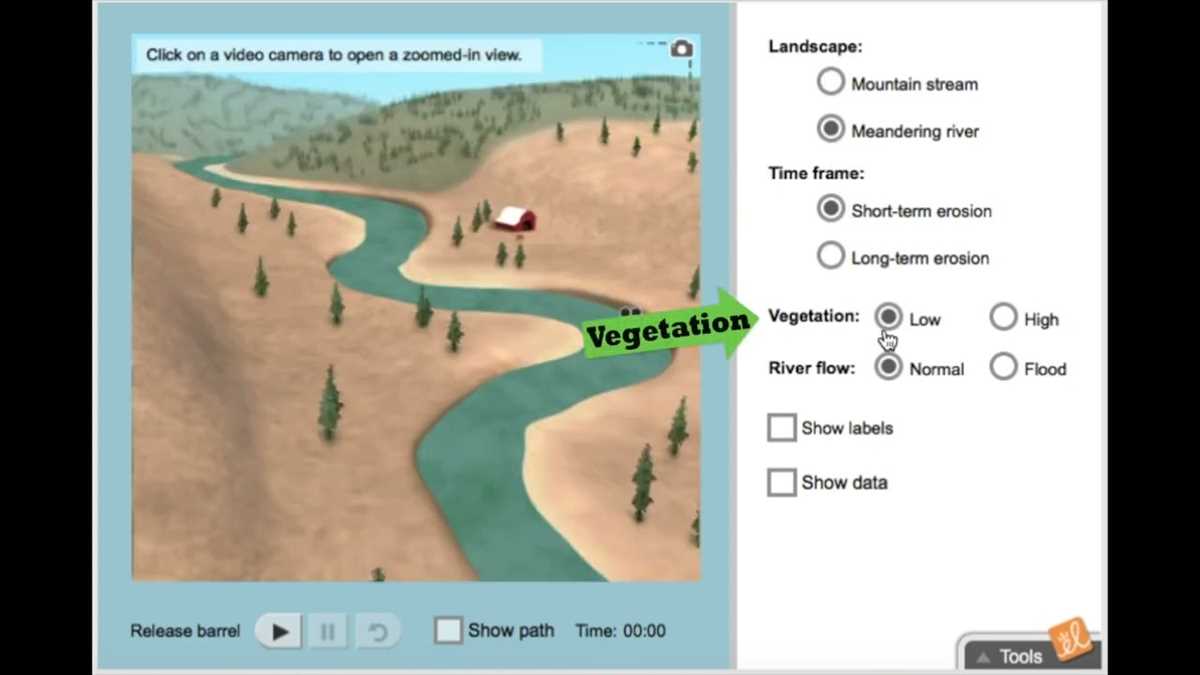
Focus on key factors that contribute to the movement and transformation of soil and rock materials by flowing water. The primary forces include velocity, water volume, and the geological composition of the banks. These elements directly affect how channels form and evolve over time.
By studying how water interacts with the environment, it becomes clear that erosion is a continuous process that reshapes the terrain. Pay attention to how different environments, such as mountainous or flatland areas, experience this natural phenomenon differently. In particular, sediment transport plays a major role in how river courses change.
To gain a deeper understanding, review diagrams and activities designed to simulate erosion processes. These tools help illustrate the impact of different variables and allow for hands-on learning. Analyzing real-world examples further reinforces the concepts involved in shaping watercourses.
River Channel Shaping Process and Activity Overview
Start by focusing on the core factors that influence how waterways shape their courses. Understand the variables such as flow speed, volume, and the resistance of surrounding materials. These elements determine the extent of soil displacement and channel deepening over time.
Key Factors That Influence Water Movement
Break down the roles of velocity, discharge, and the physical characteristics of terrain. These factors vary depending on geographic locations, and influence the patterns of sediment transport and deposition. Specific focus should be given to how these forces contribute to the development of features like deltas and meanders.
Practical Application: Simulating Water Flow in a Controlled Setting
Encourage hands-on simulation activities to demonstrate how changes in flow rates and obstacles impact the formation of water channels. Understanding how artificial changes in water speed or barrier placement affect erosion is an essential step in learning the concepts behind waterway dynamics.
Impact of Sediment Types and Water Flow on Landforms
Explore the relationship between sediment composition and water movement. Different types of soil and rock materials interact differently with moving water. Understanding this will clarify why certain regions experience more significant erosion or deposition than others.
Analysis of Real-Life River Systems and Their Changes
Link theoretical knowledge with real-world examples by studying local rivers or well-known case studies of river formation. Identify how different types of terrain and human influence can alter natural waterway processes.
Interactive Exercises to Reinforce Key Concepts
Use simulations and interactive tools to strengthen the understanding of erosion processes. These exercises allow for dynamic observation and critical thinking on how variables like weather, human activities, and natural forces affect water flow and channel evolution.
Exploring Conservation Measures and Erosion Control Methods
Discuss various techniques employed to reduce erosion and protect valuable landforms from excessive wear. Highlight the importance of environmental conservation in mitigating the negative effects of accelerated water erosion.
Understanding the Long-Term Effects of Erosion on the Environment
Focus on the long-term consequences of erosion on ecosystems, human infrastructure, and biodiversity. Assess the cumulative impact of water-driven processes on river ecosystems, agriculture, and settlements near vulnerable water bodies.
Understanding the Basics of Waterway Shaping
Waterways shape the earth’s surface by the constant movement of water over time. The process is driven by various factors such as speed, volume, and the resistance of surrounding materials. These forces result in the alteration of riverbeds, banks, and adjacent landforms.
Key factors influencing this process include:
- Flow Velocity: The speed at which water moves determines its ability to carry and erode material. Faster-moving water has more power to break down rocks and soil.
- Water Volume: Larger volumes of water increase the energy exerted on surfaces, enhancing the potential for erosion and sediment transport.
- Material Resistance: Softer, more easily eroded materials such as clay and sand are more prone to change than harder materials like rock.
The shaping of waterways is an ongoing, dynamic process that varies across different environments. By understanding these basic principles, you can better analyze how water systems evolve and their impact on surrounding regions.
Key Factors That Influence Waterway Shaping
Several critical elements determine how waterways modify the land over time. Understanding these factors helps explain the patterns and severity of changes that occur in various environments.
- Water Flow Speed: Faster-moving water exerts more force on surrounding surfaces, leading to greater material displacement and reshaping of the environment.
- Volume of Water: A larger volume increases the force exerted on banks and the bed, contributing to deeper and wider channels.
- Type of Material: Softer soil and sediment are more easily eroded, while harder rock formations resist the forces of moving water.
- Gradient or Slope: Steeper gradients lead to faster water flow, which can cause more aggressive erosion and quicker landscape changes.
- Vegetation Cover: Plant roots stabilize the soil, preventing excessive movement of material. Areas with little vegetation are more vulnerable to erosion.
Each of these factors interacts in complex ways, leading to varying rates and types of erosion. Understanding these influences is vital for studying water systems and predicting their long-term impacts on surrounding areas.
Identifying the Different Types of Waterway Surface Removal
Waterways can shape the environment through several types of physical alteration processes. Understanding these processes helps in identifying how and why certain features appear in nature.
- Hydraulic Action: The force of water, particularly during fast-moving conditions, can break apart and carry away loose material from the bed and banks.
- Corrosion: The chemical dissolution of soluble materials, such as limestone, caused by water interacting with the rock surface.
- Abrasion: Small particles in the water grind against the bed and banks, slowly wearing away surfaces and contributing to deepening channels.
- Attrition: The collision and rubbing of particles against each other, causing them to break down into smaller pieces that further erode the surroundings.
- Solution: Water dissolves certain minerals, leading to the gradual removal of material, especially in areas with high concentrations of acid or dissolved minerals.
Each type plays a distinct role in shaping the environment, often acting together to influence the speed and extent of changes over time.
Common Misconceptions in Waterway Surface Removal Studies
Many individuals misunderstand the complexity and processes behind physical alterations to landforms. Below are some common myths clarified:
- Water can only erode through forceful impact: While fast-moving water is a significant factor, slower currents can also gradually wear down surfaces through continuous contact over time.
- Surface removal only happens during floods: Erosion occurs constantly, not just during high-water events. Regular flow over time plays a crucial role in shaping features.
- All materials erode at the same rate: Different materials respond to movement differently. Harder rocks may resist erosion, while softer materials break down more quickly.
- Water can only cause erosion in riverbeds: Waterways can shape adjacent landforms such as valleys, cliffs, and coastlines through various erosion processes.
- Erosion is always a destructive process: While it can be harmful in some cases, erosion is also a natural process that creates new landforms and habitats.
Understanding these misconceptions helps clarify how waterways shape the environment and why different regions exhibit unique geological features.
How Waterway Surface Wear Affects the Environment
Surface removal plays a critical role in shaping ecosystems and landforms. The environmental consequences of this process can be both positive and negative:
- Habitat Modification: Continuous wear can create new habitats for various species, but it may also destroy existing environments, leading to loss of biodiversity.
- Soil Degradation: As materials are removed, the soil’s ability to support plant life can decrease, resulting in poor soil quality and reduced agricultural productivity.
- Water Quality Impact: Increased sedimentation from surface wear can degrade water quality, affecting aquatic life and reducing water clarity.
- Increased Flooding Risks: Changes in landforms can alter the natural flow of water, potentially leading to more frequent or severe flooding in certain areas.
- Carbon Sequestration: Surface removal can expose carbon-rich soils, which may release stored carbon into the atmosphere, contributing to climate change.
Understanding these impacts is crucial for managing the delicate balance between natural processes and human activity in affected areas.
Practical Activities for Studying Waterway Surface Wear
To gain a deeper understanding of surface wear processes, engaging in hands-on activities can be highly effective. Below are several practical activities to explore:
- Model Construction: Build a simple model using sand, soil, and water to simulate surface wear. Observe how different materials are eroded by water flow.
- Field Observation: Visit natural sites and document visible signs of surface loss. Take notes on the speed and extent of material removal along various watercourses.
- Water Flow Experiment: Set up an experiment with varying water speeds to observe how the rate of flow influences material displacement and surface changes.
- Data Collection: Use measurements to collect data on sediment levels, water speed, and depth at different locations. This will help track the relationship between water movement and material removal.
- Vegetation Study: Study how plant roots stabilize soil and prevent wear. Compare areas with dense vegetation to areas with minimal plant cover to assess the impact on material displacement.
By engaging in these activities, students can practically visualize and understand how natural forces shape and reshape their surroundings over time.
How to Interpret Surface Wear Diagrams and Data
When analyzing diagrams and data related to material displacement, it is important to identify key components: water flow patterns, sediment types, and the rate of change over time. Here are steps to interpret these materials effectively:
- Identify Key Variables: Look for labels on diagrams that indicate the type of material, water speed, and time intervals. These will provide context for understanding how changes occur.
- Analyze Graphs and Charts: Pay attention to the axes in any data charts. The x-axis may represent time, while the y-axis typically indicates the amount of material moved or the speed of the flow.
- Observe Trends: Look for patterns such as increasing displacement over time or how varying flow speeds impact the material movement. This will help predict future changes under similar conditions.
- Contextualize Data: Compare data from different locations. Factors like terrain, vegetation, and weather conditions can affect the outcomes, so understanding the context of your data is critical.
- Use Real-World Comparisons: Check for references to real-world studies or experiments. Understanding how theoretical data matches real-world examples can improve interpretation accuracy.
For a deeper dive into how to interpret such data, visit trusted environmental science resources like the U.S. Geological Survey’s website: USGS.
Resources for Further Study on Material Displacement
For deeper understanding and expanded knowledge on surface wear and sediment movement, here are several valuable resources to explore:
- U.S. Geological Survey (USGS): Offers extensive reports, data, and tools on how environmental factors affect material movement. Visit: USGS.
- Environmental Protection Agency (EPA): Provides educational materials and research on natural processes, including surface degradation and how it impacts ecosystems. Visit: EPA.
- National Geographic: Features articles and case studies that illustrate real-world examples of material displacement and its consequences. Visit: National Geographic.
- ScienceDirect: A vast collection of peer-reviewed scientific papers on the mechanics of surface wear and related processes. Search for research articles on this topic here: ScienceDirect.
- JSTOR: A digital library for researchers, offering access to journals and books on environmental science and related studies. Access it at: JSTOR.
These resources provide in-depth insights and current research, enabling a more thorough exploration of material displacement and its environmental effects.