Comparing and Scaling Unit Test Results for Better Understanding

To ensure a fair evaluation, it’s critical to approach the comparison of scores with a clear method. Begin by organizing the data in a way that highlights individual and group performances. Ensure that you look at both raw scores and percentages, as this will help determine where improvements or inconsistencies may exist.
Next, focus on the standardization of results. This process involves adjusting raw data to allow for easier comparison, especially when the difficulty level of different assessments may vary. Consider using a consistent scale across all tests to give students or participants a level playing field.
When examining test results, pay attention to trends. For example, if certain sections show a consistently lower score, this might indicate a gap in understanding or a misalignment between the questions and the taught material. Adjusting how results are represented can provide a clearer view of strengths and weaknesses.
By following these steps, it becomes easier to draw meaningful insights from performance data. Using a scaled and consistent approach makes it possible to track improvement and identify areas that require additional focus, ultimately leading to a more accurate and fair assessment process.
Analyzing and Adjusting Performance Metrics for Clearer Insights
To better understand results, organize raw scores into meaningful categories, such as proficiency levels or areas of focus. This helps identify trends and distinguish areas that need improvement. By comparing these results across different sections, you can determine if certain topics consistently challenge participants or if some areas consistently yield high scores.
Next, standardize results by applying a consistent scoring system. For instance, converting raw points into percentages ensures that different assessments with varying question numbers or difficulty can be compared directly. This method provides a clearer picture of overall performance, making it easier to track progress over time.
Once data has been standardized, review the relative performance of each individual or group. By grouping participants based on their scores, you can identify patterns and outliers. This can inform targeted intervention strategies, allowing for a more personalized approach to teaching and learning.
Lastly, use visual aids like graphs or charts to represent the scaled results. Visual comparisons make it easier to grasp the nuances in the data, especially when you need to present findings to others. This step adds clarity, ensuring the data is accessible and actionable.
How to Organize Assessment Data for Easy Comparison
Begin by categorizing results into key areas of focus, such as comprehension, application, and analysis. This breakdown makes it easier to evaluate strengths and weaknesses across different topics. By sorting data this way, you can focus on specific sections for improvement without feeling overwhelmed by the entire dataset.
Next, use consistent formatting to input results. Create a table or spreadsheet where each participant’s score is listed alongside the corresponding section or question group. This allows you to easily see how individuals perform in different areas and identify patterns in their responses.
To further streamline the comparison process, convert raw data into a more accessible format. For example, turn percentages into letter grades or scale them according to predefined performance tiers. This step enables a clearer overview of how participants measure up in different categories.
Use visual tools like bar graphs or pie charts to represent performance data. A visual representation quickly highlights discrepancies and helps draw conclusions about overall progress or trouble spots. Comparing trends visually ensures you can spot significant patterns and areas needing attention in just a few moments.
Finally, review and adjust your organization method regularly. As new assessments are added, keep your system flexible and easy to update. By maintaining an organized structure, you’ll ensure that data stays accessible and that comparisons remain clear and actionable over time.
Understanding the Importance of Scaling in Evaluation
Scaling is a critical process in performance assessment, allowing for accurate representation of a participant’s abilities across different levels of difficulty. Without proper scaling, results may be misleading, failing to capture a true picture of progress or performance. This process involves adjusting raw scores to align with the set benchmarks, ensuring consistent and reliable comparisons among individuals or groups.
One key benefit of scaling is that it accounts for variations in difficulty between different assessments. If one test is more challenging than another, scaling ensures that scores from both tests can be interpreted on the same level, allowing for fairer comparisons and preventing skewed evaluations. This is particularly important when comparing results over time or across different testing conditions.
Moreover, scaling allows for the customization of performance tiers, providing a more precise evaluation. By using a standardized method to adjust raw scores, you can assign more meaningful performance labels such as “advanced,” “proficient,” or “beginner.” This method supports more accurate feedback, helping individuals understand their strengths and areas for improvement.
To understand more about how scaling affects evaluation, you can refer to the guidelines provided by reputable sources like American Psychological Association (APA), which offer valuable insights on test development and scaling practices.
Key Metrics to Focus on When Analyzing Scores
When evaluating results, certain metrics play a crucial role in providing meaningful insights into performance. To ensure a fair and accurate comparison, it’s important to focus on the following key areas:
- Raw Score: This is the basic tally of correct responses. While it offers a simple measure of performance, it needs to be adjusted for difficulty and scaled for proper comparison.
- Percentile Rank: This metric shows how a participant’s performance compares to others. It indicates where a person stands relative to a reference group, making it easier to interpret how well they did.
- Standard Score: Also known as z-scores, this adjusts raw scores to fit a normal distribution, making comparisons across different assessments more meaningful.
- Difficulty Index: Measures the average difficulty of questions answered correctly. A higher difficulty index often indicates a more challenging set of problems or a higher level of proficiency.
- Reliability: This refers to the consistency of the results across different versions or administrations. It is a critical measure to ensure that scores are repeatable and not subject to random error.
By focusing on these metrics, you can achieve a more accurate assessment of performance, enabling fairer comparisons and better-informed decisions.
Identifying Common Mistakes When Interpreting Results
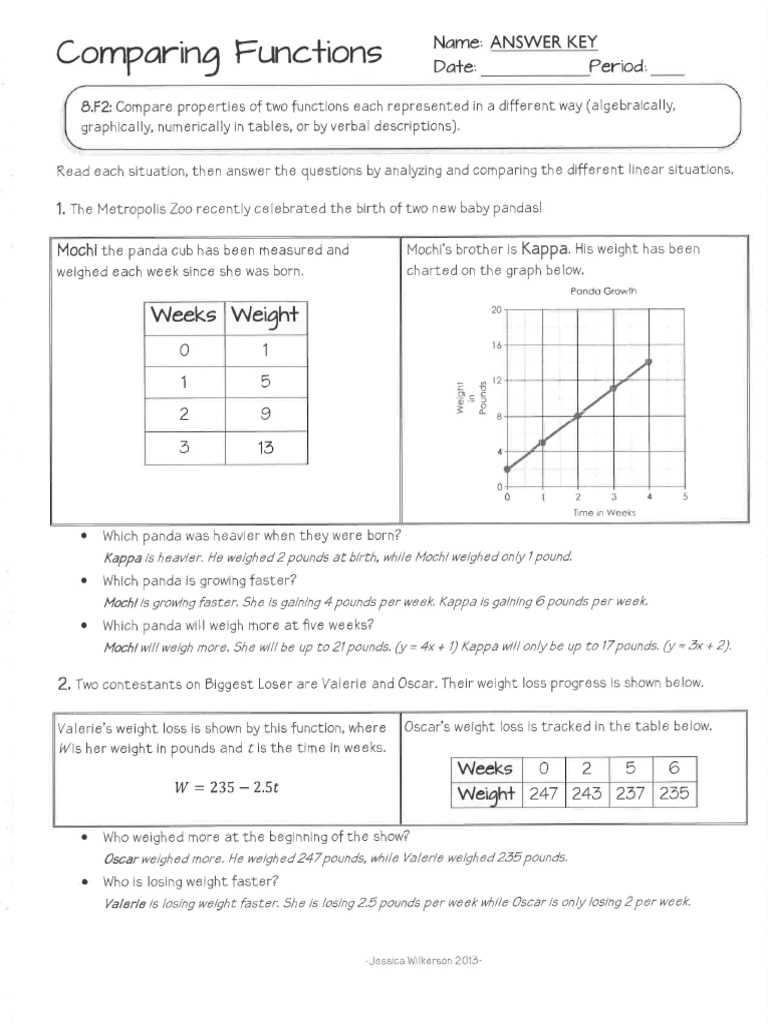
Avoid common pitfalls in interpreting outcomes by being mindful of the following mistakes:
- Ignoring Contextual Factors: Performance should never be viewed in isolation. External factors such as test conditions or question clarity can significantly influence results. Always consider these elements before drawing conclusions.
- Overemphasizing Raw Scores: Raw results can be misleading, especially when comparing different sets of questions. Without adjustments for difficulty or scoring methods, raw scores fail to reflect true ability.
- Misunderstanding Scaled Scores: Scaled results are designed to account for test difficulty. Mistaking them for direct measures of knowledge can lead to inaccurate assessments of skill or understanding.
- Ignoring Reliability Metrics: A score without reliability information offers limited insight. Always ensure that the data is consistent and repeatable to avoid over-interpretation of one-time results.
- Overlooking the Impact of Guessing: Many assessments allow for guessing. If this is not properly accounted for, high scores may not accurately reflect a participant’s true level of understanding.
By being aware of these common mistakes, you can interpret results more accurately and avoid drawing incorrect conclusions.
How to Adjust Scores for Fair Comparison Across Different Groups
To ensure a fair comparison of results between groups, it’s important to apply appropriate adjustments that account for differences in difficulty, time constraints, and the distribution of scores. Below are the recommended methods for achieving fair comparisons:
- Normalize Scores: Use normalization techniques such as z-scores to adjust for variations in performance. This helps standardize scores across groups, making them comparable regardless of the test’s difficulty.
- Adjust for Group Size: If groups vary significantly in size, adjusting the scores for the total number of participants ensures that smaller groups are not disproportionately affected by outliers or extreme scores.
- Factor in Test Difficulty: If tests differ in their level of difficulty, apply a scaling factor to account for this discrepancy. One approach is to assign a weight to each question based on its complexity.
- Use Percentile Ranks: Convert raw scores into percentile ranks to compare performance across groups. Percentile ranks offer a relative comparison of how individuals perform within a given group.
- Account for Time Constraints: If the time allocated for each group differs, adjust scores based on the amount of time available. This ensures that time pressures do not skew the results.
By applying these adjustments, you can achieve a more equitable comparison of results, which allows for accurate assessment across different groups.
| Method | Description | Adjustment Type |
|---|---|---|
| Normalization | Adjust scores to standardize across groups | Standardization |
| Group Size Adjustment | Factor in the size of each group | Statistical Adjustment |
| Difficulty Scaling | Apply a scaling factor to account for test difficulty | Weighted Adjustment |
| Percentile Ranking | Convert raw scores to percentile ranks | Relative Comparison |
| Time Adjustment | Modify scores based on the time constraint | Time-Based Scaling |
Using Statistical Methods to Compare Unit Test Performance
To accurately assess how different groups or individuals perform on assessments, applying statistical methods provides a more objective, data-driven comparison. The following approaches are commonly used:
- Mean and Median Analysis: Begin by calculating the mean (average) and median scores. The mean provides an overall performance trend, while the median offers insight into the central tendency, especially when scores are skewed by outliers.
- Standard Deviation: This metric measures the variability or dispersion of scores. A higher standard deviation indicates more spread out results, while a lower value suggests consistency among the participants’ performance.
- T-Test: Use this test to compare the means of two independent groups. It helps determine whether there is a statistically significant difference between the performances of the two groups, considering the sample size and variability.
- ANOVA (Analysis of Variance): ANOVA is helpful when comparing the means of more than two groups. This method allows for evaluating if any significant differences exist across multiple groups.
- Percentile Ranks: Converting raw scores into percentiles provides insight into how individuals rank relative to others. It helps assess performance in relation to the overall population.
By utilizing these statistical methods, you can derive more accurate insights and ensure fairer comparisons of performance across different groups or test conditions.
| Method | Purpose | Use Case |
|---|---|---|
| Mean and Median | Measure the central tendency of scores | When comparing overall performance trends |
| Standard Deviation | Assess the spread of scores | To evaluate the consistency or variability of performance |
| T-Test | Compare the means of two independent groups | When determining if differences between two groups are statistically significant |
| ANOVA | Compare the means of multiple groups | When assessing differences across more than two groups |
| Percentile Ranks | Rank scores relative to the population | To assess individual performance against a larger group |
How to Use Test Results for Personalized Learning Plans
Analyze individual results to tailor learning approaches for each student. Start by identifying strengths and weaknesses based on performance. Follow these steps:
- Identify Gaps in Knowledge: Review which areas had the most incorrect responses. Focus on concepts or skills that were frequently misunderstood and need additional practice.
- Set Specific Learning Objectives: For each student, define clear and measurable goals related to the topics that require attention. Align these objectives with individual learning needs.
- Offer Targeted Resources: Provide resources (such as exercises, tutorials, or practice problems) that specifically address weak areas. Tailor materials to match the student’s learning style and pace.
- Monitor Progress: Regularly track performance on follow-up assessments. Use results to adjust the learning plan, adding challenges as needed or revisiting concepts that are still unclear.
- Incorporate Formative Feedback: Use test results to offer immediate, actionable feedback. Encourage students to reflect on their mistakes, promoting self-correction and understanding.
- Encourage Self-Assessment: Empower students to assess their own progress based on test results. This fosters a sense of ownership over their learning journey.
By personalizing instruction through the data from assessments, you can create more engaging and effective learning experiences that address each student’s unique needs.
Reviewing Trends in Test Data to Improve Future Performance
Focus on identifying patterns in past performance to help students improve in the future. Key steps include:
- Track Common Mistakes: Analyze which questions or concepts consistently lead to incorrect answers. This will highlight areas that need more attention in future lessons or practices.
- Look for Growth or Decline: Compare results over multiple assessments to see if there is an upward or downward trend. A drop in performance on certain topics could signal the need for a different teaching approach.
- Analyze Performance Across Different Groups: Compare results across various student groups (e.g., by age, ability, or background). This helps to identify trends and target specific instructional needs.
- Examine Time-Related Patterns: Review how performance varies with time of day, after breaks, or in relation to recent material covered. Understanding these factors can help optimize learning schedules.
- Spot Individual Patterns: Look for patterns in individual student performance. For example, if a student consistently performs better on certain question types, this insight can be used to personalize their learning path.
- Use Data for Intervention: Based on identified trends, implement timely interventions, such as extra practice, peer support, or targeted resources to address specific issues before they affect future assessments.
By carefully reviewing test data trends, you can make informed decisions to adjust teaching methods, learning materials, and student strategies to improve future performance.