Understanding Energy Transfer in Living Organisms and Its Mechanisms
Understanding how energy is utilized and distributed within biological systems is crucial for comprehending fundamental life processes. Start by examining how plants capture solar radiation through photosynthesis, transforming light into chemical energy stored in glucose molecules. This initial step is critical as it provides the foundation for all subsequent energy use in organisms.
In animals, the chemical bonds within glucose molecules are broken down through cellular respiration. This process occurs in the mitochondria, where the stored energy is converted into ATP, the primary molecule that powers cellular activities. To optimize energy use, the body continually balances energy intake and expenditure, ensuring that each cell gets the power it needs for growth, repair, and reproduction.
The flow of energy through ecosystems begins with producers, which convert sunlight into usable chemical energy, followed by primary consumers, secondary consumers, and so on. At each trophic level, a significant amount of energy is lost as heat, which is why food chains rarely extend beyond five levels. This concept is essential for understanding ecological dynamics and the limitations of energy availability in ecosystems.
Mastering these concepts can help clarify how organisms harness, store, and distribute energy efficiently. Knowledge of these processes not only deepens our understanding of biology but also informs practical applications, such as agriculture, conservation, and medicine.
Energy Flow in Biological Systems
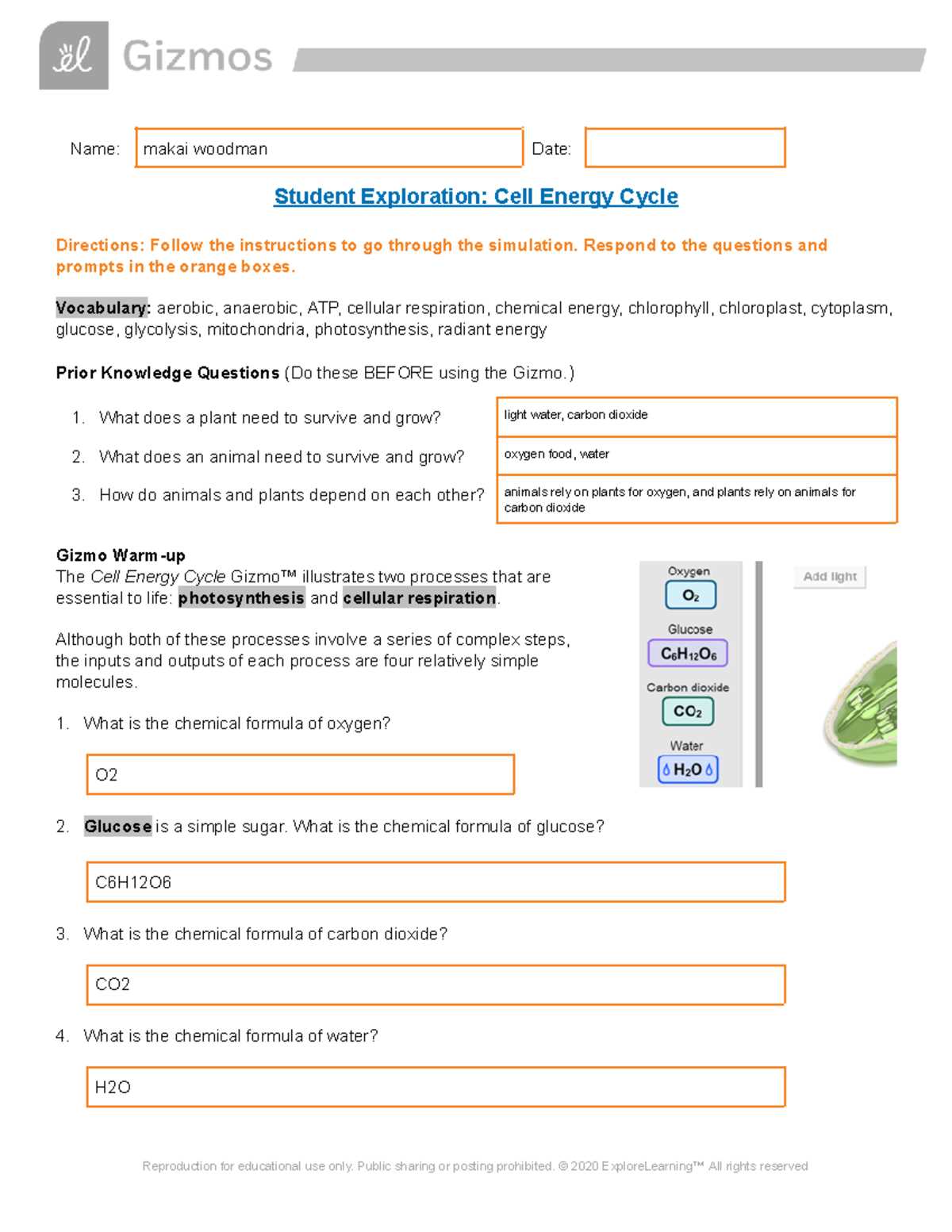
The fundamental process by which organisms harness and utilize chemical compounds begins with the conversion of light into chemical bonds. In plants, chlorophyll absorbs sunlight, using it to convert carbon dioxide and water into glucose through photosynthesis. This glucose serves as the starting point for energy storage in the form of chemical bonds, which will later be broken down for biological use.
Once produced, the glucose molecules are broken down in cells to release stored chemical energy, primarily through cellular respiration. During this process, glucose undergoes oxidation, releasing energy stored in the bonds, which is captured in the form of ATP (adenosine triphosphate). ATP is then used by cells for various functions, including muscle contraction, protein synthesis, and cell division.
In animals, the flow of energy continues as food is consumed. After digestion, nutrients such as sugars and fats are absorbed and metabolized into usable forms. These molecules enter the bloodstream and are transported to cells, where they are processed to generate ATP. This ATP is the key molecule that powers virtually all biological functions, from basic cell maintenance to complex behaviors.
At each level of a food chain, energy is passed from one organism to another. Producers, such as plants, capture sunlight and convert it into stored chemical energy, which is then consumed by herbivores. Carnivores consume herbivores, transferring energy up the chain. However, not all energy is passed efficiently; a significant portion is lost as heat during metabolic processes, which limits the number of trophic levels in an ecosystem.
Understanding these processes is vital for understanding how energy circulates through ecosystems and how organisms maintain their metabolic functions. From photosynthesis in plants to cellular respiration in animals, the continuous movement and conversion of energy is critical for survival and growth.
Understanding the Basic Principles of Energy Flow
The process begins when plants capture sunlight and convert it into chemical forms through photosynthesis. During this process, light is absorbed by chlorophyll and used to create glucose from carbon dioxide and water. This glucose holds chemical bonds, which store potential for later use by the plant or by organisms that consume it.
Once this glucose is ingested by herbivores, the stored chemical energy is released through cellular respiration. In this process, glucose is broken down in the presence of oxygen, resulting in the production of ATP, which cells use to perform various functions. This conversion is fundamental to both plant and animal life, as it fuels the necessary cellular activities to sustain life.
Energy continues to move through ecosystems via the food chain. Primary producers, such as plants, pass their stored chemical energy to herbivores, which in turn become food for carnivores. However, as energy moves from one level to the next, some of it is inevitably lost as heat, following the second law of thermodynamics. This explains why only a fraction of the total energy is available to higher trophic levels.
The flow of energy in ecosystems is tightly regulated by metabolic processes and the laws of thermodynamics. The first law dictates that energy cannot be created or destroyed, only transformed into different forms. The second law highlights the inefficiency of these transformations, where heat is lost, making it unavailable for further use in biological functions.
For more in-depth information, refer to trusted sources such as NCBI’s article on metabolic pathways.
How Organisms Capture and Convert Energy
Plants use sunlight to produce glucose through photosynthesis. Chlorophyll in plant cells absorbs light, primarily from the sun, and converts it into chemical energy stored in glucose molecules. This process involves the conversion of carbon dioxide and water into glucose and oxygen, making it the primary mechanism for energy capture in plants.
Herbivores then acquire this stored chemical energy by consuming plant matter. Their digestive systems break down the glucose, releasing it into their bloodstream. Once inside cells, glucose undergoes cellular respiration, where it is converted into ATP. This molecule powers a wide range of cellular functions necessary for survival.
Carnivores obtain energy by consuming herbivores. The energy in the consumed glucose and other molecules is then processed similarly through digestion and respiration, providing the energy needed for movement, growth, and reproduction.
In addition to plants, some organisms such as certain bacteria capture energy through chemosynthesis. These organisms harness chemical reactions, often involving sulfur or methane, to produce food in environments without sunlight. This process occurs in places like deep-sea vents, where sunlight cannot penetrate, but chemical sources of energy are abundant.
For a deeper understanding of how these processes work, visit trusted resources like the National Institutes of Health (NIH).
The Role of Photosynthesis in Energy Flow
Photosynthesis is the primary process by which plants capture sunlight and convert it into chemical compounds. This process occurs in the chloroplasts of plant cells, where chlorophyll absorbs sunlight. Through a series of reactions, carbon dioxide and water are transformed into glucose and oxygen. The glucose produced serves as a source of chemical energy for the plant itself and for other organisms that consume it.
In addition to providing fuel for the plant’s growth, photosynthesis is the foundation of energy flow in most ecosystems. Herbivores obtain energy by consuming plants, and carnivores, in turn, rely on herbivores for their energy needs. Through photosynthesis, plants form the base of the food chain, making it a key process in sustaining life on Earth.
Furthermore, photosynthesis plays a critical role in regulating the carbon dioxide levels in the atmosphere, contributing to the balance of gases essential for life. The oxygen released during photosynthesis is vital for the survival of aerobic organisms, including humans, who depend on it for respiration.
To explore more about the biochemical processes of photosynthesis, visit reputable sources such as NIH.
Energy Flow in Cellular Respiration
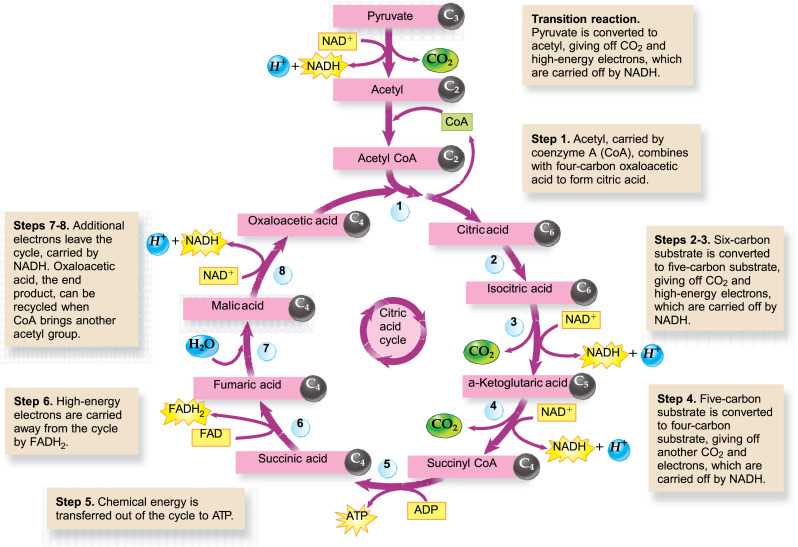
Cellular respiration is the process by which cells convert chemical compounds into usable forms of energy. This occurs in three major stages: glycolysis, the Krebs cycle, and the electron transport chain. Each stage plays a critical role in the breakdown of glucose and other nutrients to produce adenosine triphosphate (ATP), the primary energy carrier in cells.
In the first step, glycolysis, glucose is broken down into two molecules of pyruvate in the cytoplasm, releasing a small amount of ATP. The pyruvate then enters the mitochondria, where it is further processed in the Krebs cycle. During this cycle, carbon compounds are oxidized, producing high-energy electron carriers, NADH and FADH2, which move to the electron transport chain.
The electron transport chain, located in the inner mitochondrial membrane, generates the majority of ATP. Electrons are passed through protein complexes, and their movement creates a proton gradient across the membrane. This gradient drives the production of ATP as protons flow back through the ATP synthase complex, a process known as oxidative phosphorylation.
In the final step, oxygen acts as the final electron acceptor, combining with electrons and protons to form water. This step ensures the continuation of the electron transport chain. Without oxygen, the chain would stop, and ATP production would cease.
The entire process of cellular respiration is vital for sustaining cellular functions, enabling organisms to perform necessary activities like growth, reproduction, and movement. For more detailed information on cellular respiration, refer to reputable sources like NCBI.
The Role of Mitochondria in Energy Production
Mitochondria are the powerhouse of cells, responsible for converting nutrients into ATP, which fuels cellular processes. This process begins in the cytoplasm with the breakdown of glucose through glycolysis, but the majority of ATP is produced inside the mitochondria through cellular respiration.
The mitochondrion contains two membranes: an outer membrane and a highly folded inner membrane. The inner membrane is where most of the ATP production occurs, housing the electron transport chain and ATP synthase. These structures are involved in oxidative phosphorylation, a process that uses electrons and protons to generate a proton gradient across the membrane, ultimately driving ATP synthesis.
In addition to ATP production, mitochondria play a role in regulating cell metabolism, calcium homeostasis, and cell death mechanisms, which are crucial for maintaining cellular health and function.
Any disruption in mitochondrial function can lead to various diseases and conditions, underscoring the importance of these organelles in overall cellular efficiency. To better understand mitochondrial function and related processes, refer to reliable sources such as NCBI.
Energy Flow in Food Chains and Trophic Levels
The flow of nutrients through ecosystems follows a structured hierarchy, beginning with producers and moving up through various consumer levels. Producers, typically plants or algae, capture solar radiation and convert it into chemical compounds through photosynthesis, providing the base of the food chain.
Primary consumers, or herbivores, feed on producers, converting plant material into usable resources. Secondary consumers, such as carnivores, consume herbivores, and tertiary consumers may feed on other carnivores. Each level of this hierarchy is known as a trophic level.
At each trophic level, only about 10% of the energy from the previous level is passed on, with the rest being lost as heat. This results in a decrease in available energy as one moves up the food chain. As a result, higher trophic levels support fewer individuals than lower levels.
This structure highlights the efficiency of resource distribution and energy utilization in ecosystems. To explore further, consider reliable ecological sources such as Britannica.
Impact of Energy Loss in Biological Systems
As biological systems rely on complex processes to convert and utilize resources, much of the input energy is lost at each level. This inefficiency has significant consequences for the structure and functioning of ecosystems.
When organisms consume resources, only a fraction of the ingested material is used for growth, reproduction, or movement. The rest is expended as heat, waste, or used in processes that do not contribute directly to biomass. The energy lost as heat during metabolic reactions limits the number of trophic levels in an ecosystem.
The inefficiency in energy use affects population sizes, food web dynamics, and ecosystem stability. As energy is passed from one trophic level to the next, less is available to support higher-level consumers. This results in fewer individuals at each successive level.
- The loss of energy between levels limits the number of species that can be supported.
- Higher trophic levels are less productive due to the diminishing energy available from lower levels.
- Energy loss also affects species’ ability to adapt or grow, as energy is spent on basic survival rather than expansion or reproduction.
For further exploration, consult resources like Britannica’s article on ecosystems.
Practical Applications of Understanding Energy Flow in Biology
To maximize resource utilization in agriculture, understanding how materials are processed and moved through biological systems can guide the selection of crops that are more suited to their environments, improve yield, and reduce dependency on artificial fertilizers. This knowledge also helps in determining optimal planting patterns and soil management techniques to promote healthier crops.
In environmental management, applying principles of resource cycling can improve waste management, conservation practices, and ecological restoration. By understanding how resources move through ecosystems, it’s possible to better manage human impact, reduce pollution, and restore disturbed environments more effectively.
For conservation efforts, understanding the interaction between species and their resource needs allows for more accurate predictions about the stability of ecosystems. This can be critical in developing strategies for protecting endangered species and creating environments that are more resistant to climate change.
In energy-efficient building designs, biological principles of resource flow can inspire the creation of systems that mimic natural processes. These processes ensure that materials are used efficiently and waste is minimized, leading to a reduction in the environmental footprint of human infrastructure.
Key strategies include:
- Improving agricultural efficiency through sustainable practices.
- Enhancing waste management systems by simulating natural recycling processes.
- Designing buildings and cities that use natural principles to optimize resource use.
- Developing effective conservation strategies based on ecological needs and dynamics.
Learn more about practical applications of biological systems in sustainability from Nature’s sustainability page.